
Indian Ginseng (Withania somnifera): Benefits, Dosage, Side Effects & Research
Ashwagandha is a small, evergreen shrub whose roots have been used in Ayurvedic medicine for centuries. It is renowned for its adaptogenic properties and its ability to reduce stress.
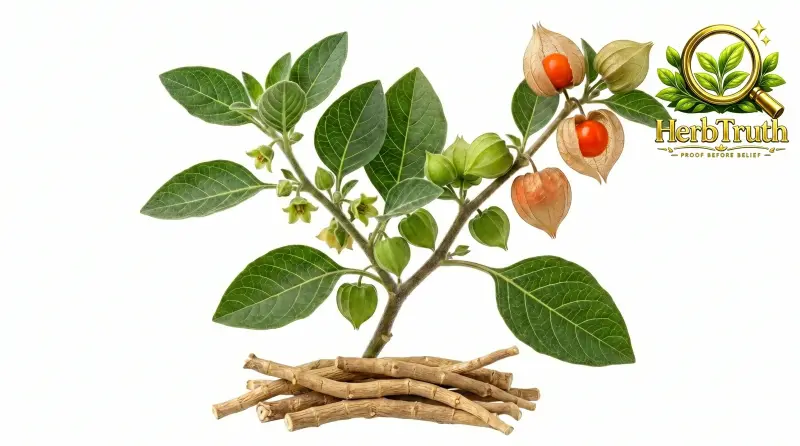
Quick Facts & Key Highlights
Table of Contents
What is the Scientific Name of Indian Ginseng?
The botanical or scientific name of Withania somnifera is commonly known as Indian Ginseng. This plant botanically belongs to the Solanaceae family. Its other local or common vernacular names include Indian Ginseng, अश्वगंधा, अश्वगंधा, वाजिगंधा.
Ayurvedic Profile (Classical Ayurvedic Properties)
Ayurvedic characteristics according to classical text Bhavaprakasha Nighantu:
Key Active Phytochemicals & Bioactive Compounds
Phytochemicals Found in Plant Parts
Diseases Treated, Healing Action & Scientific Proofs
7 Verified ConditionsWhy Disease Occurs & Human Body Impact:
Stress and anxiety disorders are complex conditions arising from a confluence of genetic predispositions, neurobiological dysregulation (e.g., imbalances in neurotransmitters like serotonin, norepinephrine, and GABA; hyperactivity of the hypothalamic-pituitary-adrenal (HPA) axis), cognitive vulnerabilities (e.g., negative thought patterns, cognitive distortions), and environmental stressors (e.g., chronic daily pressures, traumatic events, major life changes, substance use/withdrawal). These factors can interact to impair the body's ability to appropriately perceive and respond to threats, leading to persistent states of hyperarousal and worry. Chronic stress and unmanaged anxiety can lead to a range of deleterious effects on multiple physiological systems. Clinically, this manifests as persistent psychological distress (e.g., excessive worry, irritability, difficulty concentrating, sleep disturbances like insomnia), cardiovascular strain (e.g., hypertension, tachycardia, increased risk of cardiac events), gastrointestinal dysfunction (e.g., irritable bowel syndrome, dyspepsia), musculoskeletal complaints (e.g., chronic muscle tension, headaches), impaired immune function (leading to increased susceptibility to infections), and endocrine imbalances. Prolonged states can also exacerbate existing chronic conditions and significantly impair occupational, social, and overall quality of life.
How Plant Acts & Heals This Disease:
Ashwagandha helps in effectively managing stress and anxiety by reducing cortisol levels.
Key Active Compounds in Herb targeting this Ailment
WithanolidesEstimated Time to See Results:
Indian Ginseng (*Withania somnifera*, commonly known as Ashwagandha) functions as an adaptogen, modulating the body's stress response primarily through its influence on the HPA axis and neurochemical pathways. As an adaptogen, its effects are generally not immediate but accumulate over time with consistent use. Clinical studies typically indicate that initial benefits, such as a reduction in perceived stress or improved sleep quality, may begin to manifest within 2-4 weeks. However, more significant anxiolytic and stress-reducing effects, reflective of its adaptogenic properties, are usually observed after 6-8 weeks of daily supplementation. For optimal and sustained therapeutic benefit, consistent daily intake for 2-3 months is often recommended to support the body's long-term resilience to stress and anxiety.
Recommended Dosage & Adjuvant:
3-6 grams of root powder daily with milk or water
Why Disease Occurs & Human Body Impact:
Male infertility primarily stems from issues affecting sperm production, function, or delivery. Common causes include oligozoospermia (low sperm count) or azoospermia (absence of sperm), asthenozoospermia (poor sperm motility), and teratozoospermia (abnormal sperm morphology. Etiologies can be broadly categorized as pre-testicular (e.g., hormonal imbalances like hypogonadism, pituitary disorders), testicular (e.g., varicocele, genetic abnormalities like Klinefelter syndrome, infections, cryptorchidism, testicular trauma), and post-testicular (e.g., obstructions in the reproductive tract, ejaculatory dysfunction). Additionally, lifestyle factors such as obesity, smoking, excessive alcohol intake, exposure to environmental toxins, and chronic stress contribute significantly to male infertility. The primary 'harm' caused by male infertility is the inability to conceive naturally with a fertile partner, leading to significant psychosocial distress, anxiety, and relationship strain. While often asymptomatic, underlying causes may manifest with physical symptoms such as testicular pain or swelling (e.g., varicocele, infection), difficulties with sexual function (e.g., erectile dysfunction, ejaculatory problems, low libido), or signs of hormonal imbalance (e.g., decreased facial or body hair, gynecomastia, reduced muscle mass). In some cases, male infertility can be an indicator of more serious underlying health conditions, such as pituitary tumors or genetic disorders, which may require medical attention beyond fertility treatment.
How Plant Acts & Heals This Disease:
Ashwagandha boosts testosterone levels in men, improving sperm quality and motility.
Key Active Compounds in Herb targeting this Ailment
WithanolidesEstimated Time to See Results:
Indian Ginseng (Withania somnifera), an adaptogenic herb, is often explored for its potential to mitigate stress and improve reproductive health. Clinical evidence suggests that for Indian Ginseng to exert a noticeable impact on male infertility parameters, particularly improvements in sperm count, motility, morphology, and testosterone levels, consistent supplementation is typically required for a minimum of 3 to 6 months. This timeframe aligns with the duration of a full spermatogenesis cycle (approximately 72-74 days). Patients can expect supportive benefits, including potential enhancement of semen quality, reduction in oxidative stress, and improved hormonal balance. However, it is crucial to understand that Indian Ginseng is a supportive therapy, not a standalone cure for all forms of male infertility, and should be used as an adjunct under medical supervision in conjunction with other conventional treatments or lifestyle modifications.
Recommended Dosage & Adjuvant:
5 grams of root powder daily with milk
Why Disease Occurs & Human Body Impact:
Reduced muscle strength and impaired recovery are multifactorial conditions, not a singular disease. Primary causes include age-related sarcopenia (progressive loss of muscle mass and function), chronic disuse or sedentary lifestyle leading to atrophy, inadequate nutritional intake (particularly protein and essential micronutrients), chronic stress inducing catabolic states via elevated cortisol, and insufficient recovery periods following physical exertion. Systemic inflammation, chronic diseases (e.g., metabolic disorders, cardiovascular disease, cancer cachexia), and hormonal imbalances can also significantly contribute to muscle protein degradation and impaired regenerative capacity. The physical harm manifests as decreased functional capacity and independence, particularly impacting activities of daily living (ADLs) such as walking, lifting, and climbing stairs. Patients may experience increased susceptibility to falls and associated injuries, chronic fatigue, diminished physical performance in athletic or occupational settings, and prolonged rehabilitation following injury, surgery, or illness. This ultimately leads to a significant reduction in overall quality of life and potentially an increased risk of morbidity and mortality.
How Plant Acts & Heals This Disease:
Ashwagandha helps increase muscle strength, reduce exercise-induced muscle damage, and accelerate recovery.
Key Active Compounds in Herb targeting this Ailment
WithanolidesEstimated Time to See Results:
Clinical research on *Withania somnifera* (Indian Ginseng, Ashwagandha) suggests that improvements in muscle strength, endurance, and recovery markers typically manifest after consistent daily supplementation over a period of **6 to 12 weeks**. Studies have reported enhancements in muscle strength (e.g., bench press, leg extension), power output, and reductions in exercise-induced muscle damage and subjective fatigue. While some individuals may perceive subtle benefits related to stress reduction or energy levels within a few weeks, the robust physiological adaptations related to muscle performance and recovery require sustained administration. These effects are optimized when integrated with a structured exercise regimen and adequate nutritional support, and benefits generally require continued use.
Recommended Dosage & Adjuvant:
300-500 mg standardized extract daily
Why Disease Occurs & Human Body Impact:
Insomnia is characterized by persistent difficulty with sleep initiation, maintenance, or early morning awakening, despite adequate opportunity for sleep, leading to significant daytime impairment. Primary causes are multifactorial and include psychological stressors (e.g., anxiety, depression, trauma), poor sleep hygiene (e.g., irregular sleep schedule, excessive screen time before bed, caffeine/alcohol consumption), medical conditions (e.g., chronic pain, sleep apnea, restless legs syndrome, endocrine disorders), certain medications (e.g., stimulants, corticosteroids), and environmental factors (e.g., noise, light, uncomfortable temperature). Primary insomnia exists when no identifiable underlying cause is found. Chronic insomnia and poor sleep quality impose substantial physical, cognitive, and psychological harm. Physically, it elevates the risk of hypertension, cardiovascular disease, type 2 diabetes, obesity, and impairs immune function. Main symptoms include persistent fatigue, reduced energy, irritability, mood disturbances (anxiety, depression), and impaired cognitive function manifest as difficulty concentrating, memory deficits, and reduced problem-solving abilities. Long-term, it compromises occupational performance, increases accident risk, diminishes overall quality of life, and exacerbates underlying medical and psychiatric conditions.
How Plant Acts & Heals This Disease:
Ashwagandha improves sleep onset latency and quality, promoting deeper and more restful sleep.
Key Active Compounds in Herb targeting this Ailment
WithanolidesEstimated Time to See Results:
Indian Ginseng (Withania somnifera), commonly known as Ashwagandha, is an adaptogenic herb recognized for its potential to support sleep quality and mitigate stress-induced insomnia. Its mechanism involves modulating GABAergic activity, reducing cortisol levels, and possessing anxiolytic properties. Clinical studies typically indicate that sustained supplementation is required for noticeable benefits, rather than acute effects. Patients generally begin to experience improved sleep latency, enhanced sleep quality, and reduced awakenings within approximately **2 to 4 weeks of consistent daily use**. Optimal and more comprehensive effects, including significant reductions in stress and anxiety contributing to insomnia, are often observed with continued use over **4 to 12 weeks**. It is important to manage expectations, as Ashwagandha is not a rapid-acting sedative but rather a cumulative support for improving overall sleep architecture and stress resilience.
Recommended Dosage & Adjuvant:
3 grams of root powder with warm milk before bedtime
Why Disease Occurs & Human Body Impact:
Cognitive function and memory decline are multifactorial, stemming from a complex interplay of genetic predispositions, environmental factors, and lifestyle choices. Primary underlying mechanisms often involve age-related neurodegeneration (e.g., amyloid-beta plaque accumulation, tau tangles), chronic oxidative stress leading to neuronal damage, persistent neuroinflammation, and dysregulation of neurotransmitter systems (e.g., acetylcholine, dopamine, serotonin). Chronic psychological stress significantly contributes by altering hypothalamic-pituitary-adrenal (HPA) axis activity, impacting hippocampal neurogenesis and synaptic plasticity. Vascular compromise, metabolic disorders (e.g., diabetes), sleep disturbances, and nutritional deficiencies can also profoundly impair brain health and cognitive integrity. The disease manifests as a progressive decline in various cognitive domains. Key symptoms include impaired short-term and long-term memory recall, reduced attention span and concentration, difficulties with executive functions such as planning, problem-solving, and decision-making, slower processing speed, and language difficulties (e.g., word-finding). These impairments can profoundly impact an individual's functional independence, quality of life, and ability to perform daily living activities. Complications include an increased risk of accidents, social withdrawal, emotional distress (e.g., frustration, anxiety, depression), and, in severe cases, complete dependence on caregivers.
How Plant Acts & Heals This Disease:
Ashwagandha can improve brain functions including attention, memory, and cognitive reaction time.
Key Active Compounds in Herb targeting this Ailment
Withanolides, Withanoside IVEstimated Time to See Results:
Indian Ginseng (*Withania somnifera*, commonly known as Ashwagandha), an adaptogenic herb, typically exerts its neuroprotective, anxiolytic, and cognitive-enhancing effects gradually and cumulatively. While some individuals may report subjective improvements in stress reduction and mental clarity within 2-4 weeks of consistent daily supplementation, more significant and measurable benefits on specific cognitive functions (e.g., immediate and general memory, attention, processing speed) are generally observed after a sustained period. Clinical studies often show statistically significant improvements following 8 to 12 weeks of consistent use, with optimal benefits potentially becoming more apparent after 3-6 months. It is important to set realistic expectations; Ashwagandha functions as a supportive agent, modulating neurobiological pathways and stress responses, rather than providing an immediate cure or rapid reversal of established cognitive impairments. Individual response can vary based on factors such as dosage, formulation, baseline cognitive status, and overall health.
Recommended Dosage & Adjuvant:
250-600 mg standardized extract daily
Why Disease Occurs & Human Body Impact:
Inflammation is a fundamental biological response of vascular tissues to harmful stimuli, such as pathogens, damaged cells, or irritants. It is an integral part of the body's innate immune system, designed to protect the organism by removing the injurious stimulus and initiating the healing process. Acute inflammation typically arises rapidly in response to an infection (bacterial, viral, fungal), injury (trauma, burns, chemical irritants), or allergic reactions. Chronic inflammation, however, is a prolonged inflammatory response that can last for months or years. It often results from persistent infections, unresolved acute inflammation, exposure to environmental toxins (e.g., smoking), autoimmune disorders where the immune system mistakenly attacks healthy tissues, or metabolic dysregulation. The acute inflammatory response manifests clinically through five cardinal signs: rubor (redness), calor (heat), tumor (swelling), dolor (pain), and functio laesa (loss of function). While these are protective mechanisms, chronic inflammation can lead to significant tissue damage and systemic complications. Persistent inflammatory mediators can destroy healthy tissues (e.g., in rheumatoid arthritis), cause fibrosis and scarring (e.g., in liver cirrhosis, pulmonary fibrosis), and impair organ function. Chronic inflammation is implicated in the pathogenesis of numerous diseases, including cardiovascular diseases (atherosclerosis), neurodegenerative disorders (Alzheimer's, Parkinson's), metabolic syndrome, type 2 diabetes, various autoimmune conditions (Inflammatory Bowel Disease, lupus), and even certain types of cancer. Systemic symptoms can include chronic fatigue, fever, weight loss, and generalized malaise.
How Plant Acts & Heals This Disease:
Ashwagandha possesses potent anti-inflammatory properties that help reduce inflammation in the body.
Key Active Compounds in Herb targeting this Ailment
Withaferin AEstimated Time to See Results:
Indian Ginseng (Withania somnifera, commonly known as Ashwagandha) is recognized for its adaptogenic and immunomodulatory properties, including significant anti-inflammatory effects attributed primarily to its rich content of withanolides. These compounds can modulate inflammatory pathways by inhibiting pro-inflammatory cytokines (e.g., TNF-α, IL-6) and reducing NF-κB activation. However, its action is not immediate like conventional non-steroidal anti-inflammatory drugs (NSAIDs). Patients typically experience a gradual, cumulative effect. Initial subtle improvements in well-being, stress reduction (which indirectly impacts inflammation), and potentially reduced discomfort may become noticeable within **2 to 4 weeks** of consistent daily supplementation. Significant anti-inflammatory benefits, particularly in chronic inflammatory conditions, generally require **4 to 12 weeks** or longer of continuous use at appropriate dosages. It is important to manage expectations: Ashwagandha is considered a supportive therapeutic agent to help manage chronic inflammation and enhance resilience, rather than a rapid curative agent for acute inflammatory crises. Its integration should be part of a comprehensive treatment plan, ideally under medical supervision.
Recommended Dosage & Adjuvant:
3-5 grams of root powder daily
Why Disease Occurs & Human Body Impact:
Hypothyroidism primarily occurs when the thyroid gland fails to produce sufficient thyroid hormones (thyroxine, T4, and triiodothyronine, T3). The most common cause in developed countries is Hashimoto's thyroiditis, an autoimmune disorder where the immune system attacks and damages the thyroid gland. Other significant causes include iodine deficiency (globally common, but less so in developed nations due to iodized salt), surgical removal of the thyroid (thyroidectomy), radioactive iodine therapy for hyperthyroidism, certain medications (e.g., lithium, amiodarone), congenital defects, or pituitary gland dysfunction (secondary hypothyroidism). The deficit in thyroid hormones leads to a generalized slowing of metabolic processes throughout the body. This manifests as a wide range of symptoms including persistent fatigue, unexplained weight gain, increased sensitivity to cold, constipation, dry skin, hair loss, brittle nails, muscle aches, joint pain, bradycardia (slow heart rate), impaired memory and concentration ('brain fog'), and depression. Untreated or severe hypothyroidism can lead to more serious complications such as myxedema coma (a rare, life-threatening condition), heart problems (e.g., elevated cholesterol, heart failure), and infertility.
How Plant Acts & Heals This Disease:
Ashwagandha may improve thyroid function in subclinical hypothyroidism by stimulating thyroid hormone production.
Key Active Compounds in Herb targeting this Ailment
WithanolidesEstimated Time to See Results:
Indian Ginseng (Withania somnifera), also known as Ashwagandha, is considered an adaptogenic herb and is not a primary treatment for hypothyroidism, which typically requires lifelong thyroid hormone replacement therapy (e.g., levothyroxine). While some preliminary research suggests Ashwagandha may support thyroid function by potentially influencing T4 to T3 conversion or reducing stress-induced thyroid dysfunction in cases of subclinical hypothyroidism, its role in significantly reducing the impact of overt hypothyroidism or replacing conventional medication is not established. For individuals seeking supportive benefits such as improved energy levels, reduced fatigue, and stress management (common co-morbidities with hypothyroidism), consistent daily use of Ashwagandha over a period of 8 to 12 weeks is generally required to observe noticeable effects. Patients must continue their prescribed thyroid medication and consult their endocrinologist or primary care physician before incorporating any herbal supplements, as interactions with medications and the direct clinical efficacy of Indian Ginseng for diagnosed hypothyroidism require further robust scientific validation.
Recommended Dosage & Adjuvant:
600 mg root extract daily
Other Certified Herbs for Stress and Anxiety
Below are other medicinal plants scientifically verified for treating this ailment:
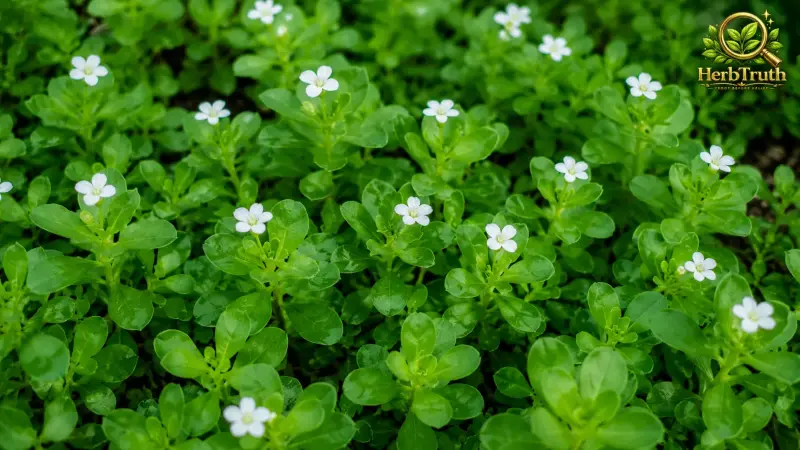
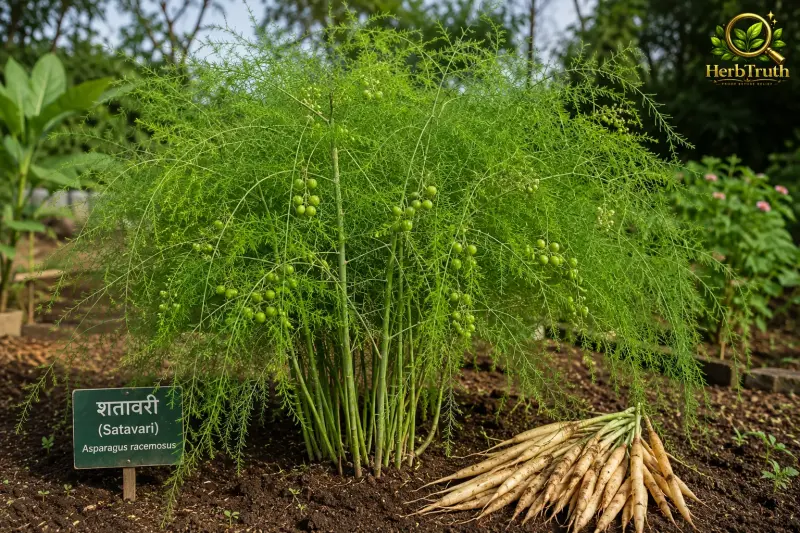
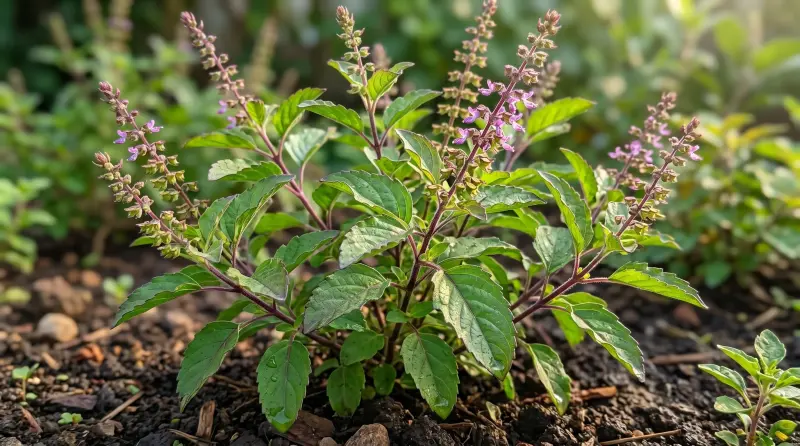
Fact Check
Scientific Truth: This is a myth. Ashwagandha has many health benefits, but it cannot cure all diseases.
About the Author

Vikas Pal
Medicinal Plant Researcher & Health Content WriterVikas Pal is an independent Herbal Researcher and Health Content Writer with over one year of experience in researching medicinal plants and evidence-based herbal medicine. He specializes in reviewing scientific literature, analyzing traditional herbal knowledge, and presenting accurate, easy-to-understand information based on trusted sources, including peer-reviewed journals, PubMed, WHO, and other reputable health organizations. His goal is to make reliable herbal knowledge accessible while helping readers understand the potential benefits, safety, traditional uses, and current scientific evidence of medicinal plants.