Holy Basil (Ocimum tenuiflorum): Benefits, Dosage, Side Effects & Research
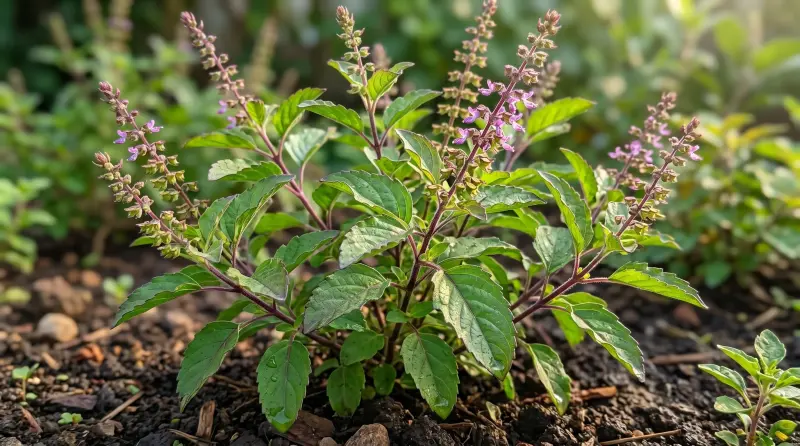
Tulsi, also known as Holy Basil, is a sacred herb in Hinduism and a cornerstone of Ayurvedic medicine, revered for its adaptogenic and therapeutic properties.
Quick Facts & Key Highlights
Table of Contents
What is the Scientific Name of Holy Basil?
The botanical or scientific name of Ocimum tenuiflorum is commonly known as Holy Basil. This plant botanically belongs to the Lamiaceae family. Its other local or common vernacular names include Holy Basil, तुलसी.
Ayurvedic Profile (Classical Ayurvedic Properties)
Ayurvedic characteristics according to classical text Charaka Samhita, Sushruta Samhita, Bhavaprakasha Nighantu:
Key Active Phytochemicals & Bioactive Compounds
Phytochemicals Found in Plant Parts
Diseases Treated, Healing Action & Scientific Proofs
1 Verified ConditionsWhy Disease Occurs & Human Body Impact:
Stress and anxiety disorders arise from a complex interplay of genetic predispositions, neurochemical imbalances (e.g., dysregulation of serotonin, norepinephrine, GABA systems, and the hypothalamic-pituitary-adrenal (HPA) axis), cognitive patterns (e.g., rumination, catastrophic thinking), and environmental stressors (e.g., chronic daily pressures, traumatic events, significant life changes). These factors can cumulatively overwhelm the body's natural stress response system, leading to persistent hyperarousal and pathological anxiety. Chronic stress and anxiety manifest through a range of somatic and psychological symptoms. Physically, individuals may experience muscle tension, headaches, gastrointestinal disturbances (e.g., irritable bowel syndrome, dyspepsia), sleep disturbances (insomnia), elevated heart rate and blood pressure, and increased susceptibility to infections due to immune system modulation. Psychologically, symptoms include persistent worry, restlessness, irritability, difficulty concentrating, and fatigue. Long-term, unmanaged stress and anxiety can contribute to the development or exacerbation of cardiovascular disease, metabolic syndrome, chronic pain conditions, and an increased risk of other mental health disorders like depression.
How Plant Acts & Heals This Disease:
Tulsi may help in reducing stress levels and calming anxiety.
Estimated Time to See Results:
Holy Basil (Ocimum sanctum), an adaptogenic herb, is recognized for its potential to modulate the stress response. Its therapeutic effects are generally not immediate but accrue over time with consistent use. Patients typically begin to report subtle improvements in subjective stress levels, mood, and sleep quality within **2 to 4 weeks** of daily supplementation. More pronounced and sustained benefits, indicative of HPA axis modulation and enhanced resilience to stressors, are usually observed after **6 to 12 weeks** of continuous use. It is crucial to manage expectations; Holy Basil acts as a supportive agent within a comprehensive wellness strategy rather than an acute anxiolytic, and individual responses can vary.
Recommended Dosage & Adjuvant:
300-600 mg extract or 5-10 ml tincture twice daily.
Other Certified Herbs for Stress and Anxiety
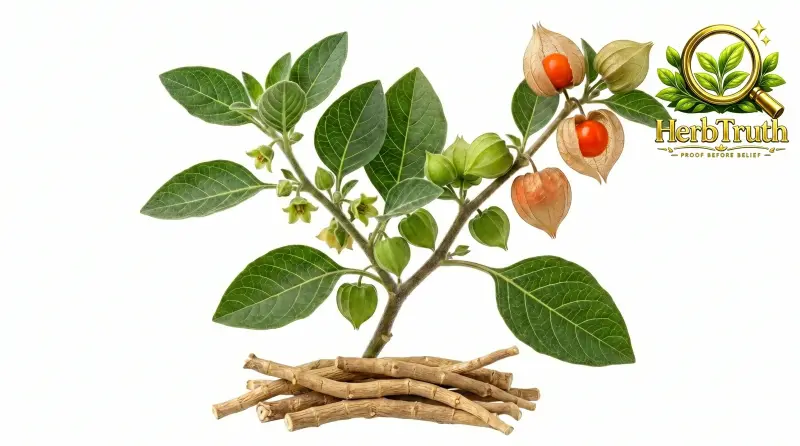
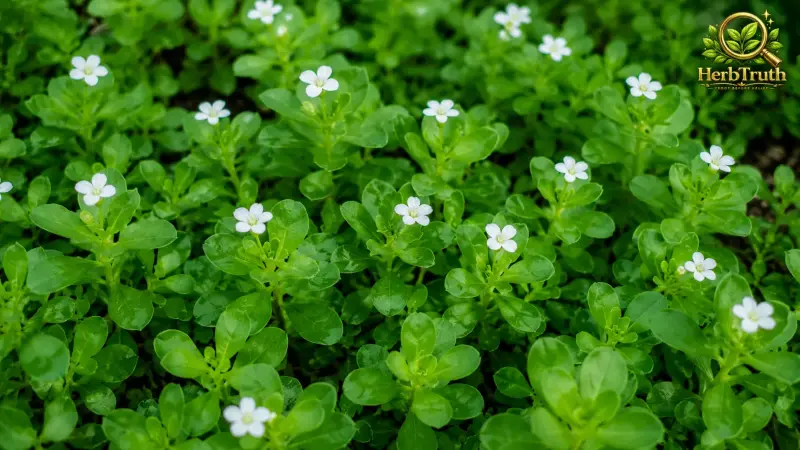
Below are other medicinal plants scientifically verified for treating this ailment:
Synergistic Formulations & Combinations
Combining Tulsi with other supportive herbs is clinically shown to boost its respiratory and immunomodulatory properties. Key combinations:
1. Tulsi, Ginger, and Black Pepper (Respiratory Decoction)
Combining Tulsi leaves with fresh ginger juice, black pepper, and honey is a classic remedy for cough, cold, and sore throat. It acts as a natural bronchodilator. Read more on PubMed Research on Tulsi Respiratory Cough Formula .
2. Tulsi and Giloy (Immunity & Platelet Booster)
Taking Tulsi and Giloy juice together acts as a powerful immunity booster, widely used in viral fevers to rapidly increase platelet counts. Study details are available on NCBI Study on Tulsi & Giloy Immunomodulatory Activity .
Fact Check
Scientific Truth: This claim is not scientifically proven.
About the Author

Vikas Pal
Medicinal Plant Researcher & Health Content WriterVikas Pal is an independent Herbal Researcher and Health Content Writer with over one year of experience in researching medicinal plants and evidence-based herbal medicine. He specializes in reviewing scientific literature, analyzing traditional herbal knowledge, and presenting accurate, easy-to-understand information based on trusted sources, including peer-reviewed journals, PubMed, WHO, and other reputable health organizations. His goal is to make reliable herbal knowledge accessible while helping readers understand the potential benefits, safety, traditional uses, and current scientific evidence of medicinal plants.