
Guduchi, Indian Tinospora (Tinospora cordifolia): Benefits, Dosage, Side Effects & Research
Giloy, scientifically known as Tinospora cordifolia, is a revered herb in Ayurveda, widely recognized for its immunomodulatory and adaptogenic properties.
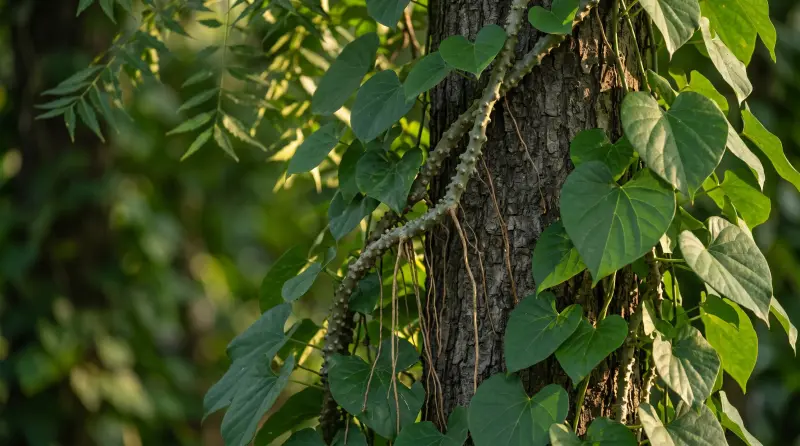
Quick Facts & Key Highlights
Table of Contents
What is the Scientific Name of Guduchi, Indian Tinospora?
The botanical or scientific name of Tinospora cordifolia is commonly known as Guduchi, Indian Tinospora. This plant botanically belongs to the Menispermaceae family. Its other local or common vernacular names include Guduchi, Indian Tinospora, गिलोय, गुडूची, अमृता, गुडूची, अमृता, छिन्नरुहा.
Ayurvedic Profile (Classical Ayurvedic Properties)
Ayurvedic characteristics according to classical text Charaka Samhita, Sushruta Samhita, Bhavaprakasha Nighantu:
Key Active Phytochemicals & Bioactive Compounds
Phytochemicals Found in Plant Parts
Diseases Treated, Healing Action & Scientific Proofs
1 Verified ConditionsWhy Disease Occurs & Human Body Impact:
The need for 'Immune System Support' arises when the physiological function of the immune system is suboptimal or compromised. This state can be induced by a confluence of endogenous and exogenous factors. Primary causes include chronic psychological and physiological stress, persistent nutritional deficiencies (e.g., inadequate intake of critical micronutrients like zinc, selenium, vitamins C and D), insufficient sleep, the natural process of aging (immunosenescence), chronic exposure to environmental toxins or pollutants, prolonged inflammatory states, certain pharmaceutical interventions (e.g., immunosuppressants), and underlying chronic infections or autoimmune conditions. These factors collectively diminish the body's innate and adaptive immune responses, leading to increased vulnerability to pathogens and immune dysregulation. A compromised or poorly supported immune system manifests as several detrimental health outcomes. These include heightened susceptibility to recurrent infections (e.g., frequent viral upper respiratory tract infections, recurrent bacterial infections), prolonged recovery periods following illness or injury, exacerbated inflammatory responses, chronic fatigue and general malaise, impaired wound healing, and a potential for dysregulation that can worsen allergic responses or autoimmune conditions. In more severe or prolonged states, it can lead to opportunistic infections and a significant decline in overall physiological resilience and quality of life.
How Plant Acts & Heals This Disease:
It helps in strengthening the immune system, fighting infections, and promoting overall well-being.
Estimated Time to See Results:
Guduchi (*Tinospora cordifolia*), celebrated for its adaptogenic and immunomodulatory properties, typically requires consistent and sustained administration to exert its beneficial effects on immune system support. While initial cellular and biochemical responses may commence earlier, noticeable clinical improvements in immune resilience, such as a reduction in infection frequency, improved vitality, or enhanced well-being, generally become apparent after several weeks to a few months of continuous use (e.g., 4 to 12 weeks). The full spectrum of its systemic balancing effects, which involve modulating cytokine profiles and enhancing immune cell function, may necessitate longer durations of therapy. Individual responses are variable and depend on factors such as the patient's baseline immune status, overall health, specific formulation, dosage, and adherence to the regimen. It functions as a supportive agent to restore immunological balance and strengthen defenses over time, rather than providing immediate symptomatic relief, and its effects are cumulative.
Recommended Dosage & Adjuvant:
Consume 1-3 grams of powder or 10-20 ml of juice twice daily with warm water.
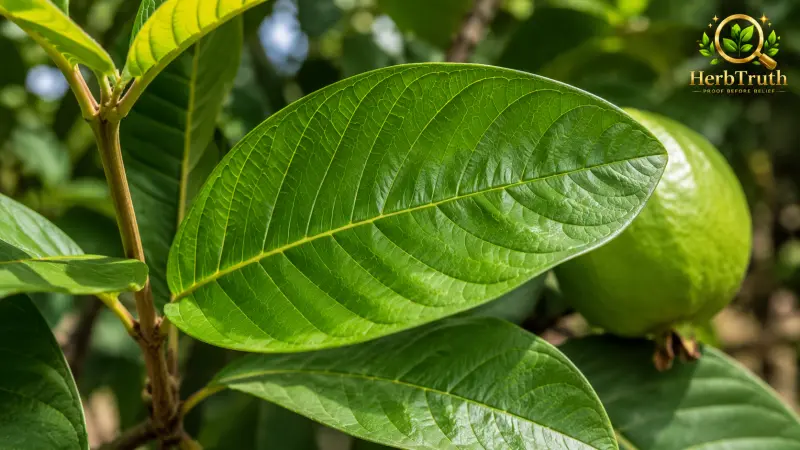
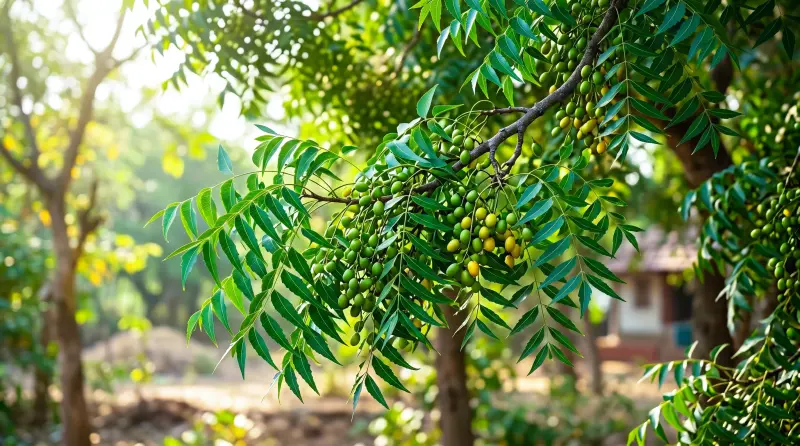
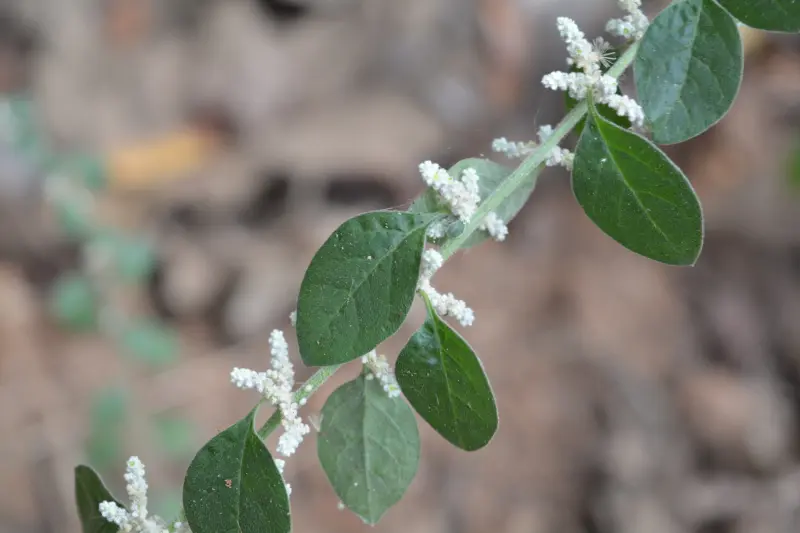
Other Certified Herbs for Immune System Support
Below are other medicinal plants scientifically verified for treating this ailment:
Synergistic Formulations & Combinations
Combining Giloy with other herbs helps balance all three Doshas (Vata, Pitta, Kapha) more effectively. Key combinations include:
1. Giloy and Ashwagandha (Rejuvenation & Stress Relief)
A synergistic combination of Giloy and Ashwagandha is widely used to combat physical debility, nourish body tissues, and relieve chronic stress. It serves as an excellent adaptogenic tonic. See the research on NCBI Study on Giloy & Ashwagandha Adaptogenic Synergy .
2. Giloy and Turmeric (Anti-Diabetic & Anti-Inflammatory)
Taking Giloy with Turmeric helps lower insulin resistance and alleviate chronic body inflammation. Check the study on PubMed Research on Tinospora & Turmeric Activity .
Fact Check
Scientific Truth: Giloy may possess anti-viral properties that can help reduce dengue symptoms, but it is not a standalone cure for dengue.
About the Author

Vikas Pal
Medicinal Plant Researcher & Health Content WriterVikas Pal is an independent Herbal Researcher and Health Content Writer with over one year of experience in researching medicinal plants and evidence-based herbal medicine. He specializes in reviewing scientific literature, analyzing traditional herbal knowledge, and presenting accurate, easy-to-understand information based on trusted sources, including peer-reviewed journals, PubMed, WHO, and other reputable health organizations. His goal is to make reliable herbal knowledge accessible while helping readers understand the potential benefits, safety, traditional uses, and current scientific evidence of medicinal plants.