
Shatavari, Wild Asparagus (Asparagus racemosus): Benefits, Dosage, Side Effects & Research
Shatavari is a perennial climbing plant primarily found in the tropical and subtropical regions of India and Nepal. Its roots are considered significant in Ayurvedic medicine, especially for women's health.
Quick Facts & Key Highlights
Table of Contents
What is the Scientific Name of Shatavari, Wild Asparagus?
The botanical or scientific name of Asparagus racemosus is commonly known as Shatavari, Wild Asparagus. This plant botanically belongs to the Asparagaceae family. Its other local or common vernacular names include Shatavari, Wild Asparagus, शतावरी, शतावरी, नारायणी, सहस्रवीर्य.
Ayurvedic Profile (Classical Ayurvedic Properties)
Ayurvedic characteristics according to classical text Charaka Samhita, Sushruta Samhita, Bhavaprakasha Nighantu:
Key Active Phytochemicals & Bioactive Compounds
Phytochemicals Found in Plant Parts
How to Identify the Original Shatavari, Wild Asparagus Plant & Seeds?
Plant Identification Guide
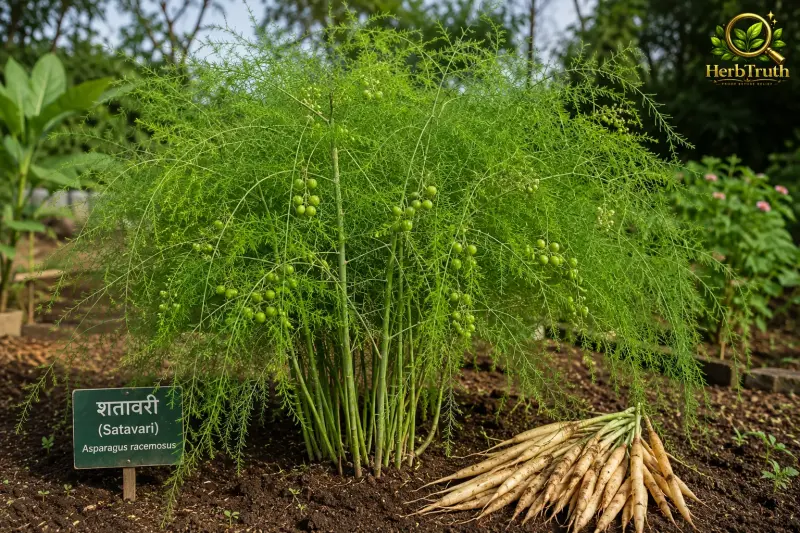
Shatavari is a bushy, thorny climbing plant with numerous branches. Its leaves are needle-like, glossy green, measuring 2-6 centimeters in length. It bears small, white, fragrant flowers that bloom in clusters, and its fruits are small, spherical, red or purple. Its roots are clustered, long, fleshy, and tuberous, and are significant for medicinal use.
Seeds & Sourcing Guide
Shatavari seeds are small, black, and glossy, found inside its red or purple fruits. They can be obtained by direct sun-drying. The seeds can be sown directly in soil or in a nursery, especially during the monsoon season when humidity is high. Well-drained sandy loam soil is suitable for this. The seeds can be purchased from reliable online suppliers or local agricultural stores.
Diseases Treated, Healing Action & Scientific Proofs
11 Verified ConditionsWhy Disease Occurs & Human Body Impact:
Lactation Enhancement is not a disease but rather a physiological process and often a therapeutic goal for individuals experiencing insufficient milk production. The need for lactation enhancement, therefore, arises from various factors contributing to inadequate lactogenesis or galactopoiesis. These can include: 1. Hormonal imbalances (e.g., retained placental fragments, thyroid dysfunction, polycystic ovary syndrome). 2. Anatomical issues (e.g., insufficient glandular tissue, previous breast surgery affecting milk ducts). 3. Pharmacological interference (e.g., certain medications like pseudoephedrine or combined oral contraceptives). 4. Ineffective or infrequent milk removal (e.g., poor latch, infrequent nursing/pumping, improper pump use). 5. Maternal factors such as stress, fatigue, dehydration, malnutrition, or pre-existing medical conditions (e.g., hypertension, diabetes). 6. Infant factors like prematurity, tongue-tie, or ineffective suckling patterns. In rarer cases, primary agalactia (complete absence of milk production) may occur. When lactation enhancement is sought to address insufficient milk supply, the 'harm' is primarily associated with the consequences of inadequate infant nutrition and maternal distress. For the infant, insufficient lactation can lead to inadequate weight gain, malnutrition, dehydration, prolonged neonatal jaundice, and a compromised immune system. For the mother, inadequate milk supply can result in significant emotional distress, guilt, anxiety, feelings of inadequacy, and ultimately lead to premature cessation of breastfeeding, which deprives both mother and infant of its documented health benefits.
How Plant Acts & Heals This Disease:
Shatavari helps in enhancing milk production in lactating mothers, known for its galactagogue properties.
Key Active Compounds in Herb targeting this Ailment
शतावरिन I-IVEstimated Time to See Results:
When using Shatavari (Asparagus racemosus) as a galactagogue to support lactation enhancement, the onset of noticeable effects can vary. Typically, a consistent regimen for several days to a few weeks is required before improvements in milk volume or flow are observed. Patients should be advised that Shatavari is not an immediate-acting substance. Optimal results are achieved when its use is combined with effective and frequent milk removal (breastfeeding or pumping), proper latch techniques, and addressing any underlying causes of lactation insufficiency. A period of 1-2 weeks of consistent use is often a reasonable timeframe to assess initial efficacy, with continued use potentially offering further benefits over several weeks to months. Individual responses to herbal galactagogues like Shatavari can vary significantly, and it should not be considered a standalone solution for severe lactation issues. Consultation with a lactation consultant or healthcare provider is crucial for personalized guidance and to rule out other treatable causes of low milk supply.
Recommended Dosage & Adjuvant:
500-1000 mg Shatavari root powder twice a day
Why Disease Occurs & Human Body Impact:
Antioxidant activity is not a disease itself; rather, the adverse condition is 'oxidative stress,' which represents an imbalance where the production of reactive oxygen species (ROS) overwhelms the body's antioxidant defenses. This imbalance can arise from an excessive generation of oxidants or a compromised capacity of the endogenous antioxidant system. Primary causes include normal metabolic processes (e.g., mitochondrial respiration), inflammation, exposure to environmental toxins (e.g., pollution, radiation), certain dietary patterns, smoking, alcohol consumption, specific pharmacological agents, and chronic psychological stress. Genetic predispositions affecting antioxidant enzyme function can also contribute to vulnerability. Oxidative stress inflicts widespread cellular and molecular damage by reacting with critical biomolecules, leading to lipid peroxidation (damage to cell membranes), protein carbonylation (impairment of protein function), and DNA damage (e.g., mutations, strand breaks). This molecular pathology disrupts cellular function, signaling pathways, and structural integrity. Clinically, chronic oxidative stress is a significant etiological factor and contributor to the progression of numerous chronic non-communicable diseases, including neurodegenerative disorders (e.g., Alzheimer's, Parkinson's), cardiovascular diseases (e.g., atherosclerosis, hypertension), metabolic syndromes (e.g., diabetes mellitus), various cancers, chronic inflammatory conditions (e.g., arthritis), and accelerated cellular aging. Symptoms are typically those associated with these underlying disease states, such as chronic fatigue, cognitive decline, impaired organ function, and increased susceptibility to pathology.
How Plant Acts & Heals This Disease:
Shatavari protects the body from damage caused by free radicals due to its high antioxidant content.
Key Active Compounds in Herb targeting this Ailment
फ्लेवोनोइड्सEstimated Time to See Results:
Shatavari (Asparagus racemosus) is recognized for its adaptogenic, immunomodulatory, and antioxidant properties, mediated primarily by its triterpenoid saponins (shatavarins), flavonoids, and alkaloids. These compounds contribute by direct free radical scavenging and by enhancing the activity of endogenous antioxidant enzymes (e.g., superoxide dismutase, catalase, glutathione peroxidase). For the adaptogenic and supportive antioxidant effects to become clinically appreciable and translate into a reduction of oxidative impact or support recovery, consistent and sustained administration is required. Initial, subtle improvements in general well-being or stress resilience might be noted within **2-4 weeks**. More significant and measurable benefits regarding the modulation of chronic oxidative stress, such as enhanced systemic antioxidant capacity or reduction in markers of oxidative damage, generally require **2-3 months of continuous use or longer**. Full therapeutic effects, particularly in the context of chronic conditions exacerbated by oxidative stress, may take several months to manifest fully, contingent upon individual physiological response, dosage, and the specific health challenge. It is crucial to manage expectations for gradual, cumulative benefits rather than rapid, acute changes.
Recommended Dosage & Adjuvant:
250-500 mg Shatavari extract once a day
Why Disease Occurs & Human Body Impact:
The need for immune system modulation arises from immune dysregulation, where the immune system is either hyperactive (leading to autoimmune diseases like rheumatoid arthritis, lupus, or conditions such as allergies and chronic inflammation) or hypoactive (resulting in immunodeficiency, increased susceptibility to infections, or impaired cancer surveillance). Primary causes include genetic predispositions, environmental triggers (e.g., pathogens, toxins, allergens), chronic psychological stress, poor nutrition, specific drug effects, and underlying pathologies (e.g., chronic infections, malignancies). Immune system dysregulation can cause significant harm. In hyperactive states, the immune system mistakenly attacks healthy tissues, leading to chronic inflammation, tissue damage, pain, organ dysfunction (e.g., joint destruction, kidney failure, neurological deficits), and systemic symptoms like fatigue and fever. In hypoactive states, the body becomes vulnerable to recurrent or severe infections (bacterial, viral, fungal), delayed wound healing, and potentially an increased risk of certain cancers due to inadequate immune surveillance.
How Plant Acts & Heals This Disease:
Shatavari helps in strengthening the immune system and protecting the body from infections.
Key Active Compounds in Herb targeting this Ailment
रेसीमोसोलEstimated Time to See Results:
Shatavari (Asparagus racemosus) is recognized for its adaptogenic and immunomodulatory properties, working gradually to restore immune balance. While individual responses vary based on the specific condition, severity, and patient constitution, subtle supportive effects, such as improved well-being or reduced fatigue, may become noticeable within 2-4 weeks of consistent use. More profound and sustained immunomodulatory benefits, such as enhanced resilience against stressors, better management of chronic inflammatory symptoms, or improved immune response, typically require continuous daily administration for 2-3 months or longer. It acts as a supportive agent, aiming to optimize physiological function over time rather than providing immediate symptomatic relief, and should be integrated as part of a holistic treatment strategy under professional guidance.
Recommended Dosage & Adjuvant:
500 mg Shatavari extract once a day
Why Disease Occurs & Human Body Impact:
The term 'anti-inflammatory' describes a therapeutic action or property, not a disease. Inflammation itself is a complex biological response of body tissues to harmful stimuli, such as pathogens, damaged cells, or irritants. It is a protective attempt by the organism to remove the injurious stimuli and to initiate the healing process. Diseases characterized by inflammation, often referred to as inflammatory diseases, occur when this immune response becomes dysregulated, excessive, chronic, or targets the body's own tissues (as in autoimmune diseases). Primary causes can include autoimmune disorders, chronic infections, prolonged exposure to irritants, genetic predispositions, and lifestyle factors such as diet and stress. Inflammatory diseases cause harm by perpetuating the immune response beyond its protective role, leading to tissue damage, organ dysfunction, and systemic symptoms. Chronic inflammation can destroy healthy tissue, cause pain, swelling, redness, heat, and loss of function in affected areas. Systemically, it can lead to fatigue, fever, weight loss, and contribute to the pathology of various conditions including cardiovascular diseases, neurodegenerative disorders, metabolic syndromes, and cancer. The specific harm depends on the affected organ system, ranging from joint destruction in rheumatoid arthritis to gut damage in inflammatory bowel disease.
How Plant Acts & Heals This Disease:
Shatavari possesses potent anti-inflammatory properties that help reduce various types of inflammation in the body.
Key Active Compounds in Herb targeting this Ailment
फ्लेवोनोइड्सEstimated Time to See Results:
Shatavari (Asparagus racemosus) is traditionally recognized for its adaptogenic, immunomodulatory, and anti-inflammatory properties, often used to support overall physiological balance and reduce chronic, low-grade inflammation rather than acutely treating severe inflammatory diseases. As a botanical supplement, its effects are typically gradual and cumulative. Patients should generally expect to use Shatavari consistently for a period of several weeks to a few months (e.g., 4-12 weeks) before experiencing noticeable benefits in terms of reduced inflammatory markers, improved immune function, or alleviation of related symptoms. Individual responses can vary significantly based on the severity of the condition, individual metabolism, dosage, and overall health status. It is important to note that Shatavari acts as a supportive agent and is not a substitute for conventional medical treatment for acute or severe inflammatory conditions.
Recommended Dosage & Adjuvant:
500 mg Shatavari powder twice a day
Why Disease Occurs & Human Body Impact:
Gastric ulcers, also known as peptic ulcers, primarily result from an imbalance between aggressive factors that erode the stomach lining and defensive factors that protect it. The two most common etiologies are infection with *Helicobacter pylori* bacteria and chronic use of non-steroidal anti-inflammatory drugs (NSAIDs) such as ibuprofen or naproxen. *H. pylori* colonizes the gastric mucosa, causing inflammation and weakening the protective barrier, while NSAIDs inhibit prostaglandin synthesis, which is crucial for maintaining mucosal integrity and blood flow. Less common causes include Zollinger-Ellison syndrome, stress (though not a direct cause, can exacerbate symptoms), smoking, and excessive alcohol consumption. The primary harm caused by gastric ulcers is localized inflammation and erosion of the gastric mucosa, leading to characteristic symptoms such as a burning or gnawing pain in the upper abdomen, often worse when the stomach is empty and relieved by food or antacids. Other symptoms may include dyspepsia, bloating, nausea, vomiting, and a feeling of fullness. Serious complications can arise, including gastrointestinal bleeding (manifesting as black, tarry stools [melena] or vomiting blood [hematemesis]), perforation (a hole in the stomach wall, leading to severe acute pain and peritonitis), and gastric outlet obstruction (due to swelling or scarring), which can cause persistent vomiting and weight loss. Rarely, chronic ulcers may be associated with an increased risk of gastric malignancy or can mask its presence.
How Plant Acts & Heals This Disease:
Shatavari is effective in preventing and treating gastric ulcers by providing protection to the stomach lining.
Key Active Compounds in Herb targeting this Ailment
पॉलीसैकराइड्सEstimated Time to See Results:
Shatavari (*Asparagus racemosus*), often referred to as Wild Asparagus, is a medicinal plant known in Ayurvedic medicine for its adaptogenic, anti-inflammatory, and mucoprotective properties, making it a potential supportive agent for gastrointestinal health, including gastric ulcers. While not a primary treatment for etiologies like *H. pylori* infection, its constituents (e.g., saponins) are believed to enhance mucosal defense mechanisms, reduce gastric acid secretion, and provide antioxidant benefits, thereby aiding in the healing process and symptom amelioration. Patients using Shatavari as an adjunct therapy may potentially experience a reduction in dyspeptic symptoms and discomfort within **2 to 4 weeks** of consistent, appropriate use. However, complete ulcer healing, as confirmed by endoscopy, typically takes **6 to 8 weeks or more** with conventional medical therapy (e.g., proton pump inhibitors, antibiotics for *H. pylori*). Shatavari's role is primarily complementary, supporting mucosal integrity and potentially reducing recurrence over **several months** of sustained usage rather than rapid ulcer eradication. It is crucial to emphasize that Shatavari should not replace conventional diagnosis and treatment by a healthcare professional, especially for severe ulcers or complications.
Recommended Dosage & Adjuvant:
500 mg Shatavari extract twice a day
Why Disease Occurs & Human Body Impact:
Stress and anxiety disorders arise from a complex interplay of genetic, neurobiological, psychological, and environmental factors. Genetically, predispositions can influence an individual's stress reactivity. Neurobiologically, dysregulation in key neurotransmitter systems (e.g., serotonin, norepinephrine, GABA) and the hypothalamic-pituitary-adrenal (HPA) axis, which governs the body's stress response, are implicated. Psychologically, chronic psychosocial stressors (e.g., work pressure, relationship difficulties, financial strain), traumatic experiences, and maladaptive coping mechanisms contribute significantly. Environmental factors such as social isolation, early life adversity, and substance abuse can also exacerbate vulnerability. Chronic stress and unmanaged anxiety can exert significant detrimental effects across multiple physiological systems. Cardiovascularly, it can lead to sustained hypertension, increased heart rate variability, and heightened risk of coronary artery disease. Gastrointestinal effects include exacerbation of irritable bowel syndrome (IBS), gastritis, and dysbiosis of the gut microbiota. Neurologically, individuals may experience persistent headaches, impaired cognitive function (attention, memory), and chronic sleep disturbances (insomnia). Endocrine system dysregulation, particularly involving elevated cortisol levels, can contribute to metabolic syndrome, impaired immune function, and chronic inflammation. Musculoskeletal symptoms often include chronic muscle tension, myalgia, and exacerbation of pain conditions. Immunologically, a weakened immune response increases susceptibility to infections. Psychologically, it manifests as persistent worry, restlessness, irritability, and can progress to more severe conditions like major depressive disorder or panic disorder.
How Plant Acts & Heals This Disease:
Shatavari acts as an adaptogen, helping the body cope with stress and anxiety.
Key Active Compounds in Herb targeting this Ailment
शतावरिन I-IVEstimated Time to See Results:
Shatavari (Asparagus racemosus) is recognized in traditional medicine as an adaptogenic herb, meaning it supports the body's ability to adapt to stressors and maintain physiological balance. Its mechanism of action is thought to involve modulation of the HPA axis, antioxidant effects, anti-inflammatory properties, and potential neuroprotective activities. For individuals seeking support for stress and anxiety, the therapeutic effects of Shatavari are typically not immediate. Consistent daily supplementation is generally required for approximately 4 to 12 weeks before observable and sustained improvements begin to manifest. Patients can expect a gradual reduction in the subjective perception of stress, enhanced mood stability, improved sleep quality, and greater resilience to daily stressors. It is crucial to understand that Shatavari acts as a supportive agent rather than an anxiolytic with acute effects, and its efficacy is often optimized when integrated into a holistic approach that includes lifestyle modifications and, if indicated, conventional therapeutic interventions. Individual responses can vary, and consultation with a healthcare professional is advised, especially for severe conditions or concurrent medication use.
Recommended Dosage & Adjuvant:
300-600 mg Shatavari extract twice a day
Why Disease Occurs & Human Body Impact:
Menopausal symptoms arise from the natural decline in ovarian function, leading to decreased production of estrogen and progesterone. This hormonal shift disrupts various physiological systems, including thermoregulation, sleep cycles, mood stability, and urogenital health, as the body adapts to a new endocrine state. The primary manifestations include vasomotor symptoms (hot flashes, night sweats), urogenital atrophy (vaginal dryness, dyspareunia), sleep disturbances (insomnia), mood alterations (irritability, anxiety, depression), and reduced libido. These symptoms can significantly impair quality of life, daily functioning, and psychological well-being.
How Plant Acts & Heals This Disease:
Shatavari is beneficial in alleviating menopausal symptoms such as hot flashes and night sweats.
Key Active Compounds in Herb targeting this Ailment
शतावरिन I-IVEstimated Time to See Results:
Shatavari (Asparagus racemosus) functions as an adaptogen and a source of phytoestrogens, supporting the body's hormonal balance and stress response. Clinical benefits, such as a reduction in the frequency and intensity of hot flashes, improved sleep, and mood stabilization, are typically observed gradually. Initial subtle improvements may become noticeable within 2-4 weeks of consistent daily use, with more significant and sustained relief often reported after 8-12 weeks of continuous supplementation. It is crucial to maintain consistent dosage for optimal efficacy, as it supports physiological adaptation rather than providing immediate symptom suppression.
Recommended Dosage & Adjuvant:
500-1000 mg Shatavari powder once or twice a day
Why Disease Occurs & Human Body Impact:
Digestive health impairments frequently stem from a multifactorial etiology. Key contributing factors include dysbiosis of the gut microbiota, chronic inflammation of the gastrointestinal mucosa, compromised integrity of the intestinal barrier, dietary insufficiencies or irritants, psychological stress influencing the gut-brain axis, and genetic predispositions. Pathological conditions such as infections, autoimmune responses, or functional disorders like Irritable Bowel Syndrome (IBS) also represent significant causal agents. Dysfunctional digestive health manifests as a spectrum of debilitating symptoms, including but not limited to abdominal pain, distension, altered bowel motility (constipation, diarrhea, or alternating patterns), gastroesophageal reflux, nausea, and maldigestion. Chronic impairment can lead to systemic sequelae such as nutritional deficiencies, chronic fatigue, compromised immune surveillance, exacerbated inflammatory responses, and a substantial decrement in overall well-being and productivity due to persistent discomfort and illness.
How Plant Acts & Heals This Disease:
Shatavari soothes the digestive tract and helps relieve issues like indigestion, diarrhea, and constipation.
Key Active Compounds in Herb targeting this Ailment
पॉलीसैकराइड्सEstimated Time to See Results:
Shatavari (Asparagus racemosus) exerts its beneficial effects on digestive health primarily through its adaptogenic, anti-inflammatory, and demulcent properties, which contribute to mucosal protection and modulated immune responses within the gastrointestinal tract. Patients can typically expect initial symptomatic improvements, such as reduced gastric irritation, acidity, or inflammatory discomfort, to become noticeable within 4 to 8 weeks of consistent daily supplementation. Optimal therapeutic benefits, including enhanced gut barrier function and sustained resilience, generally manifest over a period of 2 to 3 months. It is imperative to understand that Shatavari functions as a supportive botanical agent, requiring consistent use for cumulative effects, rather than providing immediate pharmacological resolution. Its integration into a comprehensive regimen that includes appropriate dietary adjustments and lifestyle modifications is crucial for maximizing outcomes.
Recommended Dosage & Adjuvant:
500-1000 mg Shatavari powder once before meals
Why Disease Occurs & Human Body Impact:
Female infertility is defined as the inability to conceive after 12 months of regular unprotected intercourse (or 6 months if over 35). Its etiology is multifactorial, primarily stemming from ovulatory dysfunction (e.g., Polycystic Ovary Syndrome - PCOS, hypothalamic amenorrhea, premature ovarian insufficiency), tubal factors (e.g., pelvic inflammatory disease leading to tubal occlusion, endometriosis, adhesions), uterine abnormalities (e.g., fibroids, polyps, congenital malformations), and cervical factors (e.g., cervical stenosis, poor mucus quality). Advanced maternal age, obesity, smoking, excessive alcohol consumption, and certain systemic diseases also contribute significantly to its prevalence. The primary manifestation of female infertility is the inability to achieve pregnancy, leading to significant psychosocial distress, including anxiety, depression, and relationship strain. Physiologically, depending on the underlying cause, patients may experience irregular menstrual cycles (amenorrhea, oligomenorrhea), dysmenorrhea, chronic pelvic pain (endometriosis), symptoms of hormonal imbalance such as hirsutism and acne (PCOS), or recurrent pregnancy loss. Complications are typically linked to the primary etiology, such as an increased risk of ovarian cysts in PCOS or pain associated with endometriosis.
How Plant Acts & Heals This Disease:
Shatavari may improve female fertility by toning and nourishing the reproductive system.
Key Active Compounds in Herb targeting this Ailment
शतावरिन I-IVEstimated Time to See Results:
Shatavari (Asparagus racemosus) is an adaptogenic herb traditionally used in Ayurvedic medicine to support female reproductive health. Its proposed mechanisms include modulating estrogen receptors, acting as a nervine tonic to reduce stress, enhancing folliculogenesis, and improving cervical mucus quality due to its mucilaginous properties. As a complementary therapy, Shatavari does not offer rapid 'recovery' from established infertility diagnoses but rather provides gradual support for physiological balance. Observable effects, such as improved menstrual regularity or reduced stress, typically require consistent daily administration over several menstrual cycles, generally ranging from 3 to 6 months, before potential subtle improvements in well-being or reproductive markers may be noted. It is critical to understand that Shatavari serves as a supportive agent and should not be considered a primary treatment or a substitute for conventional medical interventions for infertility. Its performance is best viewed as contributing to overall reproductive resilience and ameliorating associated symptoms rather than directly curing underlying pathological causes of infertility.
Recommended Dosage & Adjuvant:
500-1000 mg Shatavari powder twice a day
Why Disease Occurs & Human Body Impact:
Urinary Tract Infections (UTIs) are primarily caused by the invasion and proliferation of microorganisms, predominantly Gram-negative bacteria such as *Escherichia coli* (E. coli), into the urinary tract. These pathogens typically ascend from the perineum through the urethra into the bladder. Contributing factors include anatomical predispositions (e.g., shorter urethra in females), sexual activity, improper hygiene, urinary catheterization, structural or functional abnormalities impeding urine flow, and immunocompromise. Acute UTIs manifest with symptoms such as dysuria (painful urination), increased urinary frequency and urgency, suprapubic discomfort, and sometimes hematuria or malodorous urine. Untreated or inadequately managed infections can ascend to the kidneys, leading to pyelonephritis, characterized by flank pain, fever, chills, and systemic malaise. Chronic or recurrent UTIs can significantly diminish quality of life, and in severe cases, pyelonephritis can lead to renal damage, sepsis, and potentially life-threatening complications.
How Plant Acts & Heals This Disease:
Shatavari possesses diuretic and antimicrobial properties that may help in relieving urinary tract infections.
Key Active Compounds in Herb targeting this Ailment
शतावरिन I-IVEstimated Time to See Results:
Shatavari (*Asparagus racemosus*), a medicinal herb, is not a primary therapeutic agent for the rapid resolution of acute bacterial UTIs, which require targeted antibiotic therapy. Its traditional use is primarily supportive. Shatavari possesses diuretic and anti-inflammatory properties that may theoretically contribute to urinary tract health by promoting urine flow, potentially aiding in bacterial expulsion, and reducing inflammation-associated discomfort. However, any observable supportive effects, such as reduced recurrence rates or symptomatic alleviation, would typically manifest gradually over a sustained period of consistent use, generally weeks to months. It is imperative that patients consult a healthcare professional for diagnosis and appropriate management of acute UTIs, as reliance on Shatavari alone for infection eradication is not scientifically substantiated and could lead to complications.
Recommended Dosage & Adjuvant:
500 mg Shatavari powder twice a day
Why Disease Occurs & Human Body Impact:
Respiratory problems encompass a range of conditions affecting the airways and lungs. Primary causes include infectious agents (viruses, bacteria, fungi), environmental irritants (allergens, pollutants, smoke, dust), inflammatory processes (e.g., asthma, chronic bronchitis), and underlying genetic predispositions or autoimmune disorders. Acute conditions often stem from infections, while chronic issues frequently involve a combination of inflammation, structural changes, and prolonged environmental exposure. The harm caused by respiratory problems manifests as impaired breathing, leading to symptoms such as chronic or acute cough, dyspnea (shortness of breath), wheezing, chest tightness, and increased mucus production. Complications can include hypoxemia (reduced blood oxygen saturation), fatigue, reduced physical capacity, heightened susceptibility to secondary infections, and, in severe cases, respiratory failure and significant compromise to overall quality of life.
How Plant Acts & Heals This Disease:
Shatavari is traditionally used for respiratory problems like cough and bronchitis.
Key Active Compounds in Herb targeting this Ailment
पॉलीसैकराइड्सEstimated Time to See Results:
Shatavari (Asparagus racemosus) is recognized for its adaptogenic, anti-inflammatory, immunomodulatory, and demulcent properties, which can offer supportive benefits in managing respiratory discomfort. Its effects are typically gradual and cumulative, rather than rapid. For mild irritation or as an immune support during a respiratory challenge, some soothing effects may be noted within 1-2 weeks of consistent use. However, for significant systemic support, such as modulating inflammation in chronic conditions or strengthening the immune response against recurrent infections, a more sustained period of use, generally 4-12 weeks, is often required for discernible performance or reduction in impact. Patients should expect supportive rather than curative effects, and Shatavari should be considered an adjunct to, not a replacement for, conventional medical treatment, especially for severe or acute respiratory conditions. Individual responses may vary.
Recommended Dosage & Adjuvant:
250-500 mg Shatavari powder with honey
Fact Check
Scientific Truth: Shatavari has nourishing properties and can provide nutrition to body tissues, helping in healthy weight gain, especially in weak or underweight individuals.
About the Author

Vikas Pal
Medicinal Plant Researcher & Health Content WriterVikas Pal is an independent Herbal Researcher and Health Content Writer with over one year of experience in researching medicinal plants and evidence-based herbal medicine. He specializes in reviewing scientific literature, analyzing traditional herbal knowledge, and presenting accurate, easy-to-understand information based on trusted sources, including peer-reviewed journals, PubMed, WHO, and other reputable health organizations. His goal is to make reliable herbal knowledge accessible while helping readers understand the potential benefits, safety, traditional uses, and current scientific evidence of medicinal plants.