
Mint, Spearmint, Peppermint (Mentha spp.): Benefits, Dosage, Side Effects & Research
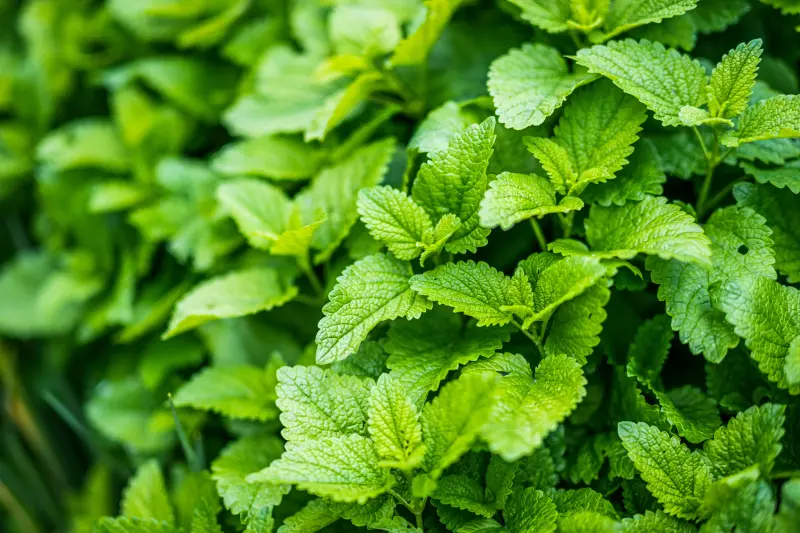
Mint is a fragrant herb known for its refreshing aroma and flavor, commonly used in culinary and medicinal applications. It is characterized by its vibrant green leaves and a cooling sensation it imparts.
Quick Facts & Key Highlights
Table of Contents
What is the Scientific Name of Mint, Spearmint, Peppermint?
The botanical or scientific name of Mentha spp. is commonly known as Mint, Spearmint, Peppermint. This plant botanically belongs to the Lamiaceae family. Its other local or common vernacular names include Mint, Spearmint, Peppermint, पुदीना, पुदीना पत्ती, पुदीना, पुदीनिका.
Ayurvedic Profile (Classical Ayurvedic Properties)
Ayurvedic characteristics according to classical text Bhavaprakasha Nighantu:
Key Active Phytochemicals & Bioactive Compounds
Phytochemicals Found in Plant Parts
Diseases Treated, Healing Action & Scientific Proofs
1 Verified ConditionsWhy Disease Occurs & Human Body Impact:
Irritable Bowel Syndrome (IBS) is a chronic functional gastrointestinal disorder characterized by a group of symptoms without any visible signs of damage or disease in the digestive tract. Its precise etiology is multifactorial and not fully elucidated, involving complex interactions within the brain-gut axis. Contributing factors include altered gut motility, visceral hypersensitivity (increased pain perception), gut microbiota dysbiosis, genetic predisposition, immune activation, and psychosocial stressors. Post-infectious IBS can also occur following acute gastroenteritis. IBS does not cause structural damage to the bowel or increase the risk of inflammatory bowel disease or colorectal cancer. The primary harm lies in its significant impact on a patient's quality of life due to chronic and recurrent symptoms. These include intermittent or persistent abdominal pain (often relieved by defecation), altered bowel habits (constipation, diarrhea, or a mixed pattern), bloating, gas, urgency, and incomplete evacuation. Psychological comorbidities such as anxiety and depression are common and can exacerbate symptoms, creating a bidirectional relationship.
How Plant Acts & Heals This Disease:
Helps in reducing abdominal cramps, bloating, and pain.
Estimated Time to See Results:
Regarding the medicinal plant 'Mint' (specifically referring to enteric-coated peppermint oil formulations due to their established efficacy in IBS), symptomatic relief typically begins within hours to a few days of consistent use. Clinical studies often demonstrate significant symptom reduction (e.g., abdominal pain, bloating, urgency) after a course of treatment lasting 2 to 4 weeks. Peppermint oil works primarily by acting as a smooth muscle relaxant in the gastrointestinal tract, attributed to its calcium channel blocking properties, which can reduce visceral spasms. It is important to note that mint preparations serve as symptomatic management tools rather than a curative treatment for IBS. Individual responses can vary, and sustained benefit often requires ongoing administration as part of a comprehensive management strategy. Regular mint or spearmint teas may offer milder carminative effects but lack the concentrated active compounds and targeted delivery of pharmaceutical-grade peppermint oil capsules for robust IBS symptom relief.
Recommended Dosage & Adjuvant:
For Irritable Bowel Syndrome, 187-200 mg enteric-coated peppermint oil capsules are recommended two to three times daily, 30-60 minutes before meals.
Other Certified Herbs for Irritable Bowel Syndrome (IBS) / Gut Health
Below are other medicinal plants scientifically verified for treating this ailment:
Fact Check
Scientific Truth: There is limited scientific evidence; no direct effect has been proven.
About the Author

Vikas Pal
Medicinal Plant Researcher & Health Content WriterVikas Pal is an independent Herbal Researcher and Health Content Writer with over one year of experience in researching medicinal plants and evidence-based herbal medicine. He specializes in reviewing scientific literature, analyzing traditional herbal knowledge, and presenting accurate, easy-to-understand information based on trusted sources, including peer-reviewed journals, PubMed, WHO, and other reputable health organizations. His goal is to make reliable herbal knowledge accessible while helping readers understand the potential benefits, safety, traditional uses, and current scientific evidence of medicinal plants.