
Prickly Chaff Flower (Achyranthes aspera): Benefits, Dosage, Side Effects & Research
Chirchita is a common herb found throughout India along roadsides and in vacant lots. Its prickly fruits cling to clothes, which is why it is called 'Chirchita'.
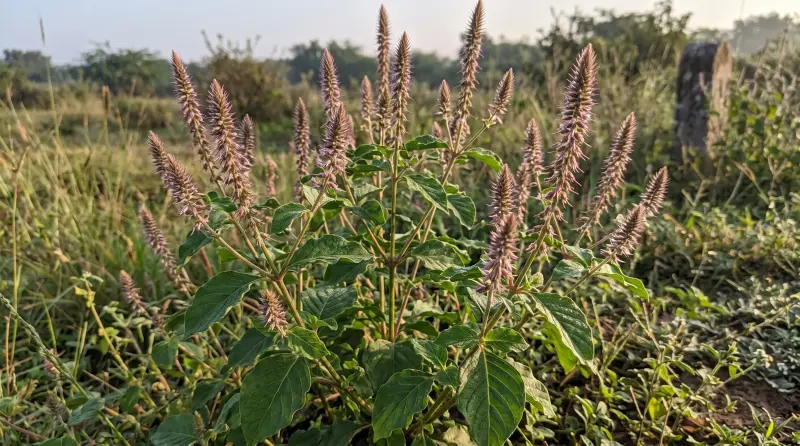
Quick Facts & Key Highlights
Table of Contents
What is the Scientific Name of Prickly Chaff Flower?
The botanical or scientific name of Achyranthes aspera is commonly known as Prickly Chaff Flower. This plant botanically belongs to the Amaranthaceae family. Its other local or common vernacular names include Prickly Chaff Flower, अपामार्ग / चिरचिटा, अपामार्ग.
Ayurvedic Profile (Classical Ayurvedic Properties)
Ayurvedic characteristics according to classical text Charaka Samhita, Sushruta Samhita, Bhavaprakasha Nighantu:
Key Active Phytochemicals & Bioactive Compounds
Phytochemicals Found in Plant Parts
Diseases Treated, Healing Action & Scientific Proofs
12 Verified ConditionsWhy Disease Occurs & Human Body Impact:
Kidney stones, or nephrolithiasis, are hard deposits made of minerals and salts that form inside the kidneys. They typically form when urine becomes concentrated, allowing minerals to crystallize and stick together. Primary causes and risk factors include chronic dehydration, dietary factors (high intake of sodium, animal protein, oxalates, or certain vitamins), underlying metabolic conditions (e.g., hyperparathyroidism, gout, renal tubular acidosis), recurrent urinary tract infections, obesity, and a family history of kidney stones. The most prominent symptom is severe, intermittent pain (renal colic) typically originating in the flank or back and radiating to the lower abdomen and groin. Other common manifestations include painful urination (dysuria), increased frequency of urination, hematuria (blood in urine, appearing pink, red, or brown), nausea, and vomiting. Complications can include urinary tract obstruction, leading to hydronephrosis and potential kidney damage, urinary tract infections, acute kidney injury, and in severe or recurrent cases, chronic kidney disease.
How Plant Acts & Heals This Disease:
Due to its diuretic properties, Chirchita helps in expelling kidney stones and prevents their formation.
Key Active Compounds in Herb targeting this Ailment
AchyranthineEstimated Time to See Results:
The Prickly Chaff Flower (*Achyranthes aspera*), often utilized in traditional medicine, is purported to possess diuretic and litholytic properties, assisting in the management of kidney stones. Its diuretic effect, increasing urine volume, may facilitate the passage of small stones and prevent crystal aggregation. Regarding stone dissolution or reduction, its performance is typically gradual. Initial diuretic effects might be observed within days to a week. For supporting the passage of smaller stones (typically <5mm) or reducing mild symptoms, noticeable impact could occur within 1-2 weeks of consistent use. However, for significant stone reduction or dissolution, particularly for larger or specific types of stones, a sustained period of several weeks to months of continuous therapy is generally required. Patients should understand that the efficacy varies based on stone size, composition, and individual physiology, and its use is typically adjunctive. Regular medical follow-up with imaging is essential to monitor stone status and ensure appropriate management.
Recommended Dosage & Adjuvant:
20-30ml decoction of root twice a day
Why Disease Occurs & Human Body Impact:
Urinary Tract Infections (UTIs) primarily occur when bacteria, most commonly Escherichia coli (E. coli) originating from the gastrointestinal tract, enter the urethra and ascend into the bladder. Less frequently, bacteria may infect the kidneys (pyelonephritis). Factors contributing to this bacterial invasion include female anatomy (shorter urethra closer to the anus), sexual activity, certain types of birth control, menopause, urinary tract abnormalities, weakened immune systems, and catheterization. Disruption of the normal urinary flow or immune defenses can facilitate bacterial adherence and proliferation within the urinary system. UTIs manifest with a range of bothersome symptoms and can lead to serious complications if untreated. Common symptoms include dysuria (pain or burning during urination), increased urinary frequency and urgency, suprapubic discomfort or pressure, and sometimes hematuria (blood in the urine) or cloudy/foul-smelling urine. If the infection ascends to the kidneys (pyelonephritis), symptoms become more severe, including fever, chills, nausea, vomiting, and flank pain. Untreated pyelonephritis can lead to kidney damage, sepsis, or premature birth in pregnant individuals, posing significant health risks.
How Plant Acts & Heals This Disease:
The antimicrobial and diuretic properties present in Chirchita (Apamarg) help in reducing inflammation and infection of the urinary tract, and assist in clearing urinary blockages.
Key Active Compounds in Herb targeting this Ailment
Saponins & AchyranthineEstimated Time to See Results:
Regarding the Prickly Chaff Flower (Achyranthes aspera) for UTIs, it is important to understand its role within an evidence-based medical context. This plant has been traditionally used for its diuretic, anti-inflammatory, and purported antimicrobial properties in some ethnomedical systems. In vitro and animal studies have suggested some biological activities that might be beneficial for urinary health. However, for an established bacterial UTI, conventional antibiotic therapy is the clinically proven and recommended primary treatment due to the risk of infection progression and potential complications like pyelonephritis and sepsis. If used as a supportive measure alongside or after appropriate medical consultation, any symptomatic relief (e.g., increased urine flow, reduced inflammation) from Prickly Chaff Flower might become noticeable within a few days to a week, depending on the individual and the severity of symptoms. It is crucial to emphasize that Prickly Chaff Flower is not a substitute for professional medical diagnosis and treatment for UTIs. Patients should seek immediate medical attention if symptoms worsen, do not improve within 24-48 hours, or if systemic symptoms such as fever, chills, or flank pain develop, as this indicates a potentially serious infection requiring prompt antibiotic intervention. The plant's efficacy in fully eradicating bacterial infections in a clinical setting, especially compared to antibiotics, is not established, and reliance solely on herbal remedies for acute bacterial infections carries significant health risks.
Recommended Dosage & Adjuvant:
Juice: 10-20ml or Powder: 1-3g
Why Disease Occurs & Human Body Impact:
Respiratory disorders such as asthma and chronic cough result from a complex interaction of genetic susceptibility and environmental exposures. Asthma is fundamentally a chronic inflammatory disease of the airways, characterized by bronchial hyperresponsiveness and variable, often reversible, airflow obstruction. Common triggers include airborne allergens (e.g., pollen, dust mites), irritants (e.g., smoke, air pollution), respiratory infections, exercise, and emotional stress. Chronic cough, defined as a cough lasting more than eight weeks, can stem from various underlying etiologies, including post-nasal drip (upper airway cough syndrome), gastroesophageal reflux disease (GERD), asthma, chronic bronchitis, or as an adverse effect of certain medications. Acute coughs are predominantly viral in origin. Asthma typically manifests as recurrent episodes of wheezing, dyspnea, chest tightness, and coughing, often exacerbated at night or early morning. These symptoms can significantly impede daily activities, sleep quality, and physical performance. Severe asthma exacerbations can necessitate urgent medical intervention and pose a risk to life. Prolonged airway inflammation can also contribute to irreversible airway remodeling. A persistent cough, irrespective of its cause, can lead to substantial discomfort, including pharyngeal irritation, chest discomfort, hoarseness, fatigue, sleep disruption, and social embarrassment. In severe, chronic cases, complications such as syncope, rib fractures, or urinary incontinence can occur, profoundly impacting a patient's quality of life.
How Plant Acts & Heals This Disease:
Chirchita possesses expectorant and bronchodilator properties, which are beneficial in relieving asthma and chronic cough.
Key Active Compounds in Herb targeting this Ailment
SaponinsEstimated Time to See Results:
The Prickly Chaff Flower (Achyranthes aspera) is traditionally recognized for its expectorant, anti-inflammatory, and potentially bronchodilatory properties, suggesting a supportive role in managing respiratory symptoms like cough and asthma. As a botanical intervention, its effects are generally considered modulatory and gradual, rather than an immediate cure. Patients utilizing standardized preparations or traditional formulations may typically begin to perceive a reduction in symptom intensity, such as eased coughing or improved mucous clearance, within approximately **1 to 3 weeks of consistent daily use**. For chronic inflammatory conditions like asthma, a more substantial supportive effect may necessitate several weeks to a few months of continuous administration. It is crucial to emphasize that Prickly Chaff Flower serves as a complementary support and is not a substitute for conventional medical treatment, especially for acute exacerbations or severe underlying respiratory conditions. Individual responses can vary based on the severity and chronicity of the condition, patient physiological factors, and the specific preparation employed.
Recommended Dosage & Adjuvant:
5-10ml leaf juice with honey twice a day
Why Disease Occurs & Human Body Impact:
Digestive issues such as constipation and indigestion (dyspepsia) commonly arise from a confluence of factors. Constipation is often precipitated by insufficient dietary fiber and fluid intake, sedentary lifestyle, disruption of gut microbiota, certain medications (e.g., opioids, anticholinergics), and underlying medical conditions like hypothyroidism or Irritable Bowel Syndrome (IBS). Indigestion, characterized by upper abdominal discomfort, bloating, and early satiety, is frequently linked to dietary habits (e.g., overeating, consumption of fatty or spicy foods), stress, Helicobacter pylori infection, gastroesophageal reflux disease (GERD), and the use of non-steroidal anti-inflammatory drugs (NSAIDs). The physiological impact of chronic constipation includes abdominal pain, bloating, straining during defecation, infrequent and hard stools, leading to potential complications such as hemorrhoids, anal fissures, and, in severe cases, fecal impaction. Indigestion manifests as persistent or recurrent upper abdominal pain or discomfort, heartburn, nausea, belching, and a feeling of fullness after eating small amounts. Both conditions significantly diminish an individual's quality of life, productivity, and overall well-being, potentially contributing to nutrient malabsorption and systemic inflammation over time.
How Plant Acts & Heals This Disease:
Chirchita possesses laxative properties, which help relieve constipation and improve digestion.
Key Active Compounds in Herb targeting this Ailment
AchyranthineEstimated Time to See Results:
The efficacy and onset of action for medicinal herbs like Prickly Chaff Flower (Achyranthes aspera) in managing digestive issues can vary. Based on its traditional uses as a mild laxative and digestive stimulant, individuals might observe initial subtle improvements in symptoms like mild constipation or indigestion within approximately 3 to 7 days of consistent use. For more sustained therapeutic effects, particularly in addressing chronic digestive discomfort or supporting overall gastrointestinal health, a commitment to daily intake over a period of 2 to 4 weeks is generally recommended to allow for physiological adaptation and accumulation of active compounds. It is essential to manage expectations; Prickly Chaff Flower serves as a supportive adjunct therapy and its benefits are typically optimized when combined with fundamental dietary and lifestyle modifications. It is not intended as a sole or rapid cure for severe or underlying pathological digestive conditions, which warrant professional medical evaluation.
Recommended Dosage & Adjuvant:
3-5g seed powder with warm water at night
Why Disease Occurs & Human Body Impact:
Wound healing is a complex physiological process, not a disease itself. However, impaired wound healing can occur. Wounds typically result from external trauma (e.g., cuts, burns, abrasions), surgical interventions, or internal pathologies (e.g., pressure ulcers, diabetic foot ulcers, venous stasis ulcers, arterial ulcers). Impairment in this process arises from systemic factors like diabetes, malnutrition, immunosuppression, advanced age, or peripheral vascular disease, as well as local factors such as infection, ischemia, foreign bodies, or excessive tension at the wound site, all of which disrupt the orderly progression of inflammation, proliferation, and remodeling phases. Unresolved wounds or impaired healing can lead to chronic pain, persistent inflammation, localized or systemic infection (potentially progressing to cellulitis, osteomyelitis, or sepsis), functional limitations, significant aesthetic disfigurement, and reduced quality of life. Chronic wounds are also associated with prolonged hospitalization, increased healthcare costs, and in severe, intractable cases, may necessitate amputation.
How Plant Acts & Heals This Disease:
Chirchita has wound healing properties that prevent infection and promote the formation of new skin.
Key Active Compounds in Herb targeting this Ailment
SaponinsEstimated Time to See Results:
Prickly Chaff Flower (Achyranthes aspera) has been traditionally recognized for its purported wound-healing properties, attributed to its anti-inflammatory, antimicrobial, and antioxidant constituents. While in vitro and preclinical in vivo studies suggest potential benefits in accelerating wound contraction, promoting collagen synthesis, and supporting angiogenesis, human clinical data defining precise recovery timelines are limited. Therefore, while it may offer supportive effects by mitigating inflammation and reducing microbial load, particularly in minor wounds or as an adjunct therapy for more complex wounds, a definitive 'recovery time' cannot be uniformly provided. Based on traditional use and observed biological activities, supportive effects might be noticed within a few days to a few weeks of consistent topical application or internal use, depending on the wound type, severity, and individual patient factors. It is crucial to emphasize that Achyranthes aspera should be considered a complementary approach and not a substitute for conventional medical treatment, and its use should always be discussed with a healthcare professional.
Recommended Dosage & Adjuvant:
Apply leaf juice or paste directly on the wound
Why Disease Occurs & Human Body Impact:
Acne arises from a multifactorial etiology including androgenic hormonal stimulation leading to sebaceous gland hyperplasia and increased sebum production, abnormal follicular keratinization, proliferation of Cutibacterium acnes, and subsequent inflammatory responses. Eczema, particularly atopic dermatitis, involves a complex interplay of genetic predispositions (e.g., filaggrin gene mutations impairing skin barrier function), immune dysregulation with a dominant T-helper 2 inflammatory profile, environmental triggers (allergens, irritants), and dysbiosis of the skin microbiome. Acne manifests as comedones, papules, pustules, nodules, and cysts, frequently leading to post-inflammatory hyperpigmentation and permanent scarring, alongside significant psychosocial distress. Eczema is characterized by intense pruritus, erythema, xerosis, papules, vesicles, lichenification, and susceptibility to secondary infections (e.g., Staphylococcus aureus), resulting in impaired quality of life, sleep disturbances, and potential systemic sequelae from chronic inflammation.
How Plant Acts & Heals This Disease:
Chirchita has anti-inflammatory and antimicrobial properties that help heal skin itching, boils, and wounds.
Key Active Compounds in Herb targeting this Ailment
FlavonoidsEstimated Time to See Results:
Prickly Chaff Flower (Achyranthes aspera) is traditionally utilized for skin conditions, with preliminary research indicating potential anti-inflammatory, antimicrobial, and wound-healing properties that could support recovery in acne and eczema. However, robust human clinical trial data specifically on its efficacy and time to effect for these conditions are limited. Based on its purported mechanisms and general observations with herbal interventions, a noticeable reduction in impact or support for recovery would typically require consistent application or consumption over a period of 4 to 8 weeks. Full resolution or significant improvement may take longer, depending on the severity of the condition, individual physiological response, and whether it is used as a monotherapy or adjunctively. Patients should manage expectations, as it acts as a supportive measure rather than a rapid curative agent, and sustained use is generally necessary to observe benefits.
Recommended Dosage & Adjuvant:
Apply leaf paste on the affected area
Why Disease Occurs & Human Body Impact:
Dental problems such as gum inflammation (gingivitis/periodontitis) and toothache primarily stem from the accumulation of bacterial plaque on tooth surfaces, initiating an inflammatory immune response in gingival tissues or leading to demineralization and cavitation of dental enamel (dental caries). Contributory factors include inadequate oral hygiene, high sugar diets, smoking, genetic predispositions, systemic diseases (e.g., diabetes), hormonal fluctuations, and certain medications causing xerostomia. Toothaches are most commonly a consequence of dental caries progressing to pulpitis, but can also arise from fractured teeth, dental abscesses, or exposed dentinal tubules. Gum inflammation typically presents as erythema, edema, tenderness, and bleeding of the gingiva, often accompanied by halitosis. If unchecked, it can progress to periodontitis, leading to irreversible loss of alveolar bone and periodontal ligament attachment, culminating in tooth mobility and premature tooth loss. Toothaches manifest as pain ranging from sharp and acute to dull and throbbing, frequently exacerbated by thermal stimuli or mastication. Potential complications include localized dental abscesses, spread of infection to adjacent anatomical spaces (e.g., cellulitis), systemic bacteremia, and significant impairment of oral function and overall quality of life.
How Plant Acts & Heals This Disease:
Chewing twigs of Chirchita as a natural toothbrush strengthens gums and relieves toothache.
Key Active Compounds in Herb targeting this Ailment
FlavonoidsEstimated Time to See Results:
Prickly Chaff Flower (Achyranthes aspera) is traditionally attributed with anti-inflammatory, analgesic, and antimicrobial properties, which may provide symptomatic relief for minor gum inflammation or mild tooth discomfort. If utilized for such mild, acute symptoms as an adjunctive measure, some individuals might report a noticeable reduction in pain or swelling within a period of a few hours to 1-3 days. However, it is crucial to recognize that Achyranthes aspera is not a definitive treatment for underlying pathological processes such as established dental caries, periodontitis, or dental abscesses, which mandate professional dental diagnosis and intervention. Its role is strictly palliative for minor symptoms, and relying solely on it risks delaying essential dental care, potentially leading to disease progression and more severe complications.
Recommended Dosage & Adjuvant:
Chew fresh twig as toothbrush
Why Disease Occurs & Human Body Impact:
Hemorrhoids, also known as piles, result from the distension and inflammation of veins within the rectum and anus. The primary etiology involves increased pressure in the lower rectal vasculature. Contributing factors include chronic straining during defecation, persistent constipation or diarrhea, prolonged sitting on the toilet, obesity, pregnancy, and a diet deficient in fiber. These conditions impede venous return and weaken vascular walls, leading to venous engorgement and prolapse. The primary clinical manifestations of hemorrhoids include bright red rectal bleeding, particularly during or after defecation, often painless initially. Other common symptoms are perianal itching, irritation, discomfort or pain, and the sensation of a palpable lump or swelling around the anus. Complications can range from anemia due to chronic blood loss to thrombosed hemorrhoids (formation of a blood clot within the hemorrhoid, causing acute, severe pain), and in severe cases, strangulation of prolapsed hemorrhoids, leading to tissue ischemia and necrosis.
How Plant Acts & Heals This Disease:
Chirchita has anti-inflammatory and healing properties that help reduce pain and swelling associated with piles.
Key Active Compounds in Herb targeting this Ailment
SaponinsEstimated Time to See Results:
Prickly Chaff Flower (Achyranthes aspera) is traditionally recognized in several ethnomedical systems for its potential anti-inflammatory, analgesic, and laxative properties, which may offer symptomatic relief for hemorrhoids. When utilized as a supportive measure, initial symptomatic improvements, such as reduced inflammation or discomfort, might become noticeable within approximately 1 to 3 weeks of consistent administration, depending on the preparation and individual physiological response. However, achieving substantial and sustained impact on the underlying condition or significant reduction in hemorrhoidal size typically requires prolonged use, potentially several weeks to a few months, alongside appropriate dietary and lifestyle modifications. It is important to emphasize that herbal remedies generally act to support physiological processes rather than providing immediate curative effects, and scientific validation for specific efficacy and recovery timelines is often less robust than for conventional pharmacotherapies. Professional medical consultation is paramount for accurate diagnosis and comprehensive treatment planning.
Recommended Dosage & Adjuvant:
10ml leaf juice on empty stomach
Why Disease Occurs & Human Body Impact:
Joint pain and arthritis are multifactorial conditions characterized by inflammation and/or degeneration of one or more joints. Primary causes include age-related wear and tear (osteoarthritis), autoimmune responses where the immune system attacks joint tissues (rheumatoid arthritis), metabolic disorders leading to crystal deposition (gout), infections (septic arthritis), and acute injuries. These processes lead to the erosion of articular cartilage, inflammation of the synovial membrane, and damage to surrounding tissues, ultimately impairing joint function. The primary manifestations of joint pain and arthritis include chronic pain, stiffness (particularly after periods of inactivity), swelling, warmth, and tenderness in affected joints. Over time, these conditions can lead to reduced range of motion, joint deformity, muscle weakness around the joint, and significant functional disability, severely impacting daily activities and quality of life. Systemic complications, such as fatigue and other organ involvement, can also occur in certain types of arthritis like rheumatoid arthritis.
How Plant Acts & Heals This Disease:
Chirchita possesses anti-inflammatory properties that help reduce joint pain and swelling.
Key Active Compounds in Herb targeting this Ailment
Oleanolic acidEstimated Time to See Results:
Prickly Chaff Flower (Achyranthes aspera) is traditionally recognized for its anti-inflammatory and analgesic properties. While preclinical studies suggest potential benefits in reducing inflammatory mediators and pain, specific human clinical trial data on its efficacy and onset of action for arthritis is limited. As a supportive herbal intervention, effects are typically gradual. Patients might expect to notice subtle improvements in pain or inflammation over a period of several weeks to a few months (e.g., 4-12 weeks) with consistent and appropriate use, rather than rapid resolution. It is crucial to understand that herbal remedies primarily offer symptomatic support and do not cure underlying arthritic conditions and should be used as an adjunct under professional medical guidance.
Recommended Dosage & Adjuvant:
Apply leaf paste on affected joints
Why Disease Occurs & Human Body Impact:
Fever, or pyrexia, is not a disease itself but a physiological response characterized by an elevation in core body temperature above the normal homeostatic range (typically >38°C or 100.4°F). It is primarily induced by pyrogens, substances that trigger the body's immune system to release endogenous pyrogens (e.g., interleukins, TNF-α). These mediators stimulate the hypothalamus to reset the thermoregulatory set point to a higher level. The most common causes include infectious agents (viral, bacterial, fungal, parasitic), inflammatory conditions (e.g., autoimmune diseases), drug-induced reactions, and certain neoplastic processes. The primary manifestation of fever is an elevated body temperature, often accompanied by systemic symptoms such as chills, shivering (rigors), malaise, myalgia, arthralgia, headache, and fatigue. While fever is a protective mechanism, prolonged or high-grade pyrexia can lead to dehydration, increased metabolic demand, tachycardia, and in vulnerable populations (e.g., young children, elderly, those with chronic illnesses), potentially severe complications. These include febrile seizures in children, delirium, exacerbation of underlying cardiovascular or pulmonary conditions, and in extreme cases, thermal injury to tissues if the temperature regulation mechanisms fail (hyperthermia).
How Plant Acts & Heals This Disease:
Chirchita possesses antipyretic properties that help in reducing body temperature during fever.
Key Active Compounds in Herb targeting this Ailment
SaponinsEstimated Time to See Results:
Traditional medicinal plants like *Achyranthes aspera* (Prickly Chaff Flower) are historically recognized for their potential antipyretic and anti-inflammatory properties, often attributed to compounds such as saponins, alkaloids, and flavonoids. When used as a supportive measure for fever, patients might potentially observe a reduction in fever intensity or associated discomfort within **12 to 48 hours** of consistent and appropriate administration. However, the exact time frame is highly variable and depends on numerous factors, including the underlying cause and severity of the fever, the individual patient's physiological response, and the specific preparation and dosage of the herb. It is critical to emphasize that *Achyranthes aspera* is typically considered an adjunctive therapy. Persistent or high fevers necessitate prompt medical evaluation to diagnose and treat the root cause, and herbal remedies should not delay conventional medical interventions for serious conditions. Complete resolution of fever generally aligns with the successful management of the primary etiological factor.
Recommended Dosage & Adjuvant:
15-20ml decoction of whole plant twice a day
Why Disease Occurs & Human Body Impact:
Irregular menstruation, a common gynecological disorder, stems from various underlying causes impacting the delicate hormonal balance regulating the menstrual cycle. Primary etiologies include hormonal imbalances (e.g., estrogen, progesterone, thyroid hormones, prolactin), conditions like Polycystic Ovary Syndrome (PCOS), significant psychological or physical stress, substantial weight fluctuations, excessive exercise, perimenopause, and certain medications. Less commonly, structural abnormalities such as uterine fibroids or polyps, chronic diseases, or pituitary gland dysfunction can also disrupt cycle regularity. The impact of irregular menstruation ranges from inconvenient symptoms to significant health complications. Physically, it manifests as unpredictable bleeding patterns (e.g., menorrhagia, oligomenorrhea, amenorrhea, metrorrhagia), which can lead to iron-deficiency anemia from excessive blood loss. Long-term anovulatory cycles, often associated with irregular menstruation, increase the risk of endometrial hyperplasia and potentially endometrial cancer due to unopposed estrogen exposure. Furthermore, it frequently contributes to infertility or subfertility by impairing regular ovulation. Patients may also experience pelvic pain, abdominal discomfort, and associated hormonal symptoms like acne, hirsutism, or mood disturbances, depending on the underlying cause. The unpredictable nature of the condition can also induce significant psychological stress and diminish quality of life.
How Plant Acts & Heals This Disease:
Traditionally, Chirchita is used in the treatment of irregular menstruation and other gynecological disorders.
Key Active Compounds in Herb targeting this Ailment
AchyranthineEstimated Time to See Results:
Prickly Chaff Flower (Achyranthes aspera) has been traditionally utilized in ethnomedicine for various gynecological complaints, including menstrual irregularities, often attributed to its purported emmenagogue properties. However, robust scientific clinical trials specifically delineating its efficacy and onset of action for human irregular menstruation are limited. Based on general principles of herbal pharmacotherapy for chronic conditions, any potential supportive effects from Prickly Chaff Flower would likely be gradual. Patients might expect to observe subtle changes or improvements, if any, over a period typically ranging from several weeks to a few months (e.g., 2-3 menstrual cycles of consistent use) before any significant impact on cycle regularity or symptom reduction might become apparent. It is crucial to manage expectations, recognize individual variability in response, and emphasize that such herbal interventions often serve as supportive measures, requiring professional medical guidance to address the underlying cause of irregular menstruation.
Recommended Dosage & Adjuvant:
1-2g root powder before menstruation
Why Disease Occurs & Human Body Impact:
Obesity is a complex, multifactorial chronic disease characterized by excessive body fat accumulation. Its primary cause is a sustained energy imbalance, where caloric intake consistently exceeds energy expenditure. Contributing factors include genetic predispositions (e.g., variations in genes influencing appetite, metabolism, and fat storage), environmental influences (e.g., readily available high-calorie, processed foods, sedentary lifestyles), psychological factors, certain medical conditions (e.g., hypothyroidism, Cushing's syndrome), medications (e.g., some antidepressants, corticosteroids), and disruptions in gut microbiota. Obesity significantly increases the risk of numerous severe health complications, impacting nearly every organ system. Key comorbidities include Type 2 Diabetes Mellitus, hypertension, dyslipidemia, coronary artery disease, stroke, non-alcoholic fatty liver disease (NAFLD) progressing to non-alcoholic steatohepatitis (NASH), sleep apnea, osteoarthritis, gastroesophageal reflux disease (GERD), and increased risk of several cancers (e.g., colorectal, breast, endometrial, kidney). Patients may experience symptoms such as fatigue, shortness of breath, joint pain, limited mobility, and psychological distress including depression and anxiety.
How Plant Acts & Heals This Disease:
Chirchita promotes metabolism and may help reduce fat accumulation, thereby aiding in weight management.
Key Active Compounds in Herb targeting this Ailment
20-hydroxyecdysoneEstimated Time to See Results:
Prickly Chaff Flower (*Achyranthes aspera*) is traditionally used for various ailments, with some preclinical studies suggesting potential metabolic modulating effects (e.g., lipid metabolism, appetite suppression). However, there is a lack of robust clinical evidence to support its efficacy as a standalone treatment for obesity in humans. If used as an *adjunct* to a comprehensive weight management plan (which *must* include sustained caloric restriction, increased physical activity, and behavioral therapy), any potential, modest effects – such as mild appetite modulation or diuretic action – would typically require consistent daily intake over *several weeks to months* (e.g., 4 to 12 weeks) to potentially become noticeable. It is crucial to manage patient expectations; *Achyranthes aspera* is not a primary treatment for obesity and is unlikely to produce significant weight loss or 'recovery' on its own. Its role is strictly supplementary, and its use should be discussed with a healthcare professional due to potential interactions and side effects, especially with conditions like thyroid dysfunction.
Recommended Dosage & Adjuvant:
1-2g seed powder with honey in the morning
Other Certified Herbs for Kidney Stones
Below are other medicinal plants scientifically verified for treating this ailment:
Fact Check
Scientific Truth: Although some laboratory studies have shown anti-cancer properties, extensive research is required to confirm its effectiveness in humans.
About the Author

Vikas Pal
Medicinal Plant Researcher & Health Content WriterVikas Pal is an independent Herbal Researcher and Health Content Writer with over one year of experience in researching medicinal plants and evidence-based herbal medicine. He specializes in reviewing scientific literature, analyzing traditional herbal knowledge, and presenting accurate, easy-to-understand information based on trusted sources, including peer-reviewed journals, PubMed, WHO, and other reputable health organizations. His goal is to make reliable herbal knowledge accessible while helping readers understand the potential benefits, safety, traditional uses, and current scientific evidence of medicinal plants.