
Psidium guajava (Psidium guajava): Benefits, Dosage, Side Effects & Research
Guava is a tropical fruit that is sweet and delicious, and rich in Vitamin C, dietary fiber, and antioxidants. It is globally appreciated for its nutritional quality and health benefits.
Quick Facts & Key Highlights
Table of Contents
What is the Scientific Name of Psidium guajava?
The botanical or scientific name of Psidium guajava is commonly known as Psidium guajava. This plant botanically belongs to the Myrtaceae family. Its other local or common vernacular names include .
Ayurvedic Profile (Classical Ayurvedic Properties)
Ayurvedic characteristics according to classical text :
How to Identify the Original Psidium guajava Plant & Seeds?
Plant Identification Guide
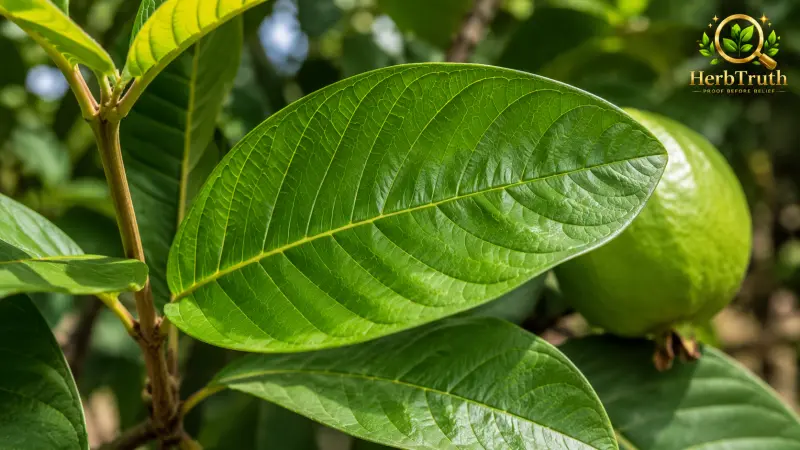
The guava tree is medium-sized with smooth, reddish-brown bark that peels off in flakes. Its leaves are oval or oblong-oval, dark green, and aromatic. The flowers are white, five-petaled, and typically grow singly or in clusters in the leaf axils. The fruits are round or oval, green to yellow, and when ripe, have pink or white flesh with numerous small, hard seeds.
Seeds & Sourcing Guide
अमरूद के बीज छोटे, कठोर, और किडनी के आकार के होते हैं, जो फल के मीठे गूदे में अंतर्निहित होते हैं। इन्हें फल से निकालकर अच्छी तरह धोकर सुखाया जा सकता है। बीजों को सीधे जमीन में या गमलों में बोया जा सकता है, खासकर गर्म और नम जलवायु में, जहाँ वे कुछ हफ्तों में अंकुरित होते हैं। स्वस्थ और पूर्ण विकसित फलों से प्राप्त बीज ही बोने चाहिए ताकि अच्छी गुणवत्ता वाले पौधे पैदा हों।
Diseases Treated, Healing Action & Scientific Proofs
4 Verified ConditionsWhy Disease Occurs & Human Body Impact:
The need for 'Immune System Support' arises from various factors that can compromise the body's natural defense mechanisms. Primary causes include chronic psychological and physiological stress, nutritional deficiencies (e.g., vitamins C, D, zinc, selenium), insufficient sleep, advanced age (immunosenescence), chronic infections, exposure to environmental toxins, and certain medical conditions or medications that suppress immune function. These factors collectively weaken the immune system's ability to respond effectively to threats. A compromised immune system primarily leads to increased susceptibility to infections (viral, bacterial, fungal), resulting in more frequent and prolonged illnesses. Other significant harms include delayed wound healing, persistent fatigue and malaise, exacerbation of chronic inflammatory conditions, and a reduced capacity for immune surveillance, which is vital for detecting and eliminating abnormal cells. Individuals may experience a general feeling of being 'run down' and have a higher risk of developing opportunistic infections.
How Plant Acts & Heals This Disease:
Guava is rich in Vitamin C, which strengthens the immune system by boosting the function of white blood cells.
Key Active Compounds in Herb targeting this Ailment
Ascorbic acidEstimated Time to See Results:
Psidium guajava (guava) is recognized for its rich content of antioxidants (e.g., Vitamin C, flavonoids, carotenoids) and anti-inflammatory compounds, which can provide supportive benefits to the immune system. As a medicinal plant, its effects are generally complementary and exert a gradual, modulatory influence rather than a rapid, curative one. For general immune system support, consistent daily intake of preparations from Psidium guajava (e.g., leaf extracts, fruit) would typically need to be sustained over several weeks to 2-3 months to potentially observe a reduction in susceptibility to minor ailments, improved general well-being, and enhanced resilience. It is important to manage expectations, as it functions as a supportive agent to optimize immune function rather than a standalone treatment for significant immune deficiencies. Its performance is best evaluated in conjunction with a healthy lifestyle and under professional medical guidance.
Recommended Dosage & Adjuvant:
One guava fruit daily
Why Disease Occurs & Human Body Impact:
Diabetes mellitus is a chronic metabolic disorder characterized by elevated blood glucose levels (hyperglycemia) resulting from defects in insulin secretion, insulin action, or both. Type 1 Diabetes is an autoimmune condition where the body's immune system mistakenly attacks and destroys the insulin-producing beta cells in the pancreas, leading to an absolute insulin deficiency. Type 2 Diabetes, which accounts for the vast majority of cases, is primarily characterized by insulin resistance, where the body's cells do not respond effectively to insulin, coupled with a progressive decline in pancreatic beta-cell function, leading to insufficient insulin production. Contributing factors include genetic predispositions, sedentary lifestyle, obesity, and certain environmental factors. Gestational diabetes occurs during pregnancy due to hormonal changes leading to insulin resistance. Uncontrolled diabetes can lead to severe acute and chronic complications. Acute symptoms include polyuria (frequent urination), polydipsia (increased thirst), polyphagia (increased hunger), unexplained weight loss, fatigue, and blurred vision. Chronically, persistent hyperglycemia damages blood vessels and nerves throughout the body. Microvascular complications include diabetic retinopathy (leading to blindness), nephropathy (kidney disease, potentially progressing to kidney failure), and neuropathy (nerve damage, causing numbness, pain, digestive issues, and diabetic foot ulcers which can necessitate amputation). Macrovascular complications involve accelerated atherosclerosis, increasing the risk of cardiovascular events such as myocardial infarction (heart attack), stroke, and peripheral artery disease. Furthermore, patients with diabetes are more susceptible to infections and experience impaired wound healing.
How Plant Acts & Heals This Disease:
Guava leaves help regulate blood sugar levels and improve insulin sensitivity.
Key Active Compounds in Herb targeting this Ailment
Quercetin, Gallic acid, GuaijaverinEstimated Time to See Results:
Psidium guajava (guava) has been traditionally explored for its potential hypoglycemic properties, with various in vitro and in vivo studies suggesting mechanisms such as inhibition of alpha-glucosidase, enhancement of glucose uptake, and antioxidant effects. However, it is critical to understand that Psidium guajava is considered a supportive botanical and not a primary treatment for diabetes. Its performance in terms of reducing impact or supporting recovery would likely be gradual and modest, and should always be viewed as an adjunct to, not a replacement for, conventional medical therapy (e.g., prescribed medications, dietary management, exercise). Expect any potential beneficial effects on blood glucose modulation to manifest over weeks to months of consistent use, provided it is consumed as part of a comprehensive diabetes management plan and under the guidance of a healthcare professional. Patients should continuously monitor blood glucose levels and discuss any use of herbal supplements with their physician due to potential interactions with conventional medications and the risk of masked symptoms or delayed appropriate medical intervention. There is no evidence to suggest it can induce 'recovery' from diabetes in the sense of reversing the disease.
Recommended Dosage & Adjuvant:
Guava leaf extract or tea 1-2 times daily
Why Disease Occurs & Human Body Impact:
Jaundice is a yellow discoloration of the skin, sclera (whites of the eyes), and mucous membranes caused by hyperbilirubinemia, an elevated concentration of bilirubin in the blood. Bilirubin is a yellow pigment produced during the normal breakdown of red blood cells (hemolysis). It is then processed by the liver and excreted in bile. Jaundice occurs when there is an imbalance between bilirubin production and clearance, which can stem from three primary mechanisms: pre-hepatic (excessive red blood cell destruction leading to increased bilirubin load), hepatic (impaired liver function due to diseases like hepatitis, cirrhosis, or drug-induced liver injury, hindering bilirubin processing), or post-hepatic (obstruction of bile ducts, preventing bilirubin excretion into the intestines, e.g., gallstones or pancreatic tumors). The most visible symptom of jaundice is the characteristic yellowing of the skin and eyes. Associated symptoms often include dark urine (due to increased excretion of conjugated bilirubin by the kidneys) and pale or clay-colored stools (due to reduced or absent bilirubin reaching the intestines). Patients may experience pruritus (itching) due to the accumulation of bile salts in the skin, fatigue, nausea, vomiting, and abdominal pain, depending on the underlying cause. Serious complications can arise from the root cause of jaundice, such as liver failure, encephalopathy (brain dysfunction due to toxin accumulation), coagulopathy (impaired blood clotting), kidney failure (hepatorenal syndrome), and ascending cholangitis (bacterial infection of the bile ducts). In neonates, severe unconjugated hyperbilirubinemia can lead to kernicterus, causing permanent brain damage.
How Plant Acts & Heals This Disease:
Guava leaves are effective in preventing diarrhea and reducing abdominal pain due to their antimicrobial and astringent properties.
Key Active Compounds in Herb targeting this Ailment
Quercetin, Gallic acidEstimated Time to See Results:
There is no robust clinical evidence to support the direct use of Psidium guajava (guava) as a treatment for jaundice, nor to predict its performance, impact reduction, or support recovery time for this specific medical condition. Jaundice is a medical sign requiring immediate diagnosis by a healthcare professional to identify its underlying cause and initiate appropriate, evidence-based medical management. While Psidium guajava possesses general antioxidant, anti-inflammatory, and hepatoprotective properties attributed to its rich content of polyphenols, flavonoids, and vitamins, these general biological effects have not been clinically validated as a direct treatment for hyperbilirubinemia or its diverse etiologies. Therefore, it is not appropriate to provide an estimated recovery timeline based on the use of Psidium guajava for jaundice, as it is not a recognized therapeutic agent for this condition and should not replace conventional medical care.
Recommended Dosage & Adjuvant:
Guava leaf decoction or extract 2-3 times daily
Why Disease Occurs & Human Body Impact:
Digestive health encompasses the optimal functioning of the gastrointestinal tract. Dysfunctions often arise from multifactorial etiologies, including dietary imbalances (e.g., low fiber, high processed foods, food intolerances), microbial dysbiosis (imbalance in gut microbiota), stress, infectious agents (bacterial, viral, parasitic), medication side effects (e.g., antibiotics), and inflammatory processes affecting the GI tract. These factors can disrupt gut motility, permeability, nutrient absorption, and immune responses. Impaired digestive health can manifest through a range of symptoms and complications. Common physical harms include abdominal pain and cramping, bloating, excessive flatulence, nausea, vomiting, diarrhea (acute or chronic), constipation, heartburn, and indigestion. Chronic issues can lead to nutrient malabsorption, dehydration, electrolyte imbalances, unintended weight changes, and a significant reduction in quality of life due to persistent discomfort and impaired daily functioning.
How Plant Acts & Heals This Disease:
The dietary fiber in guava improves digestion, relieves constipation, and promotes a healthy gut microbiota.
Key Active Compounds in Herb targeting this Ailment
Dietary Fiber, Ascorbic acidEstimated Time to See Results:
Psidium guajava (guava), particularly its leaf extracts, is traditionally used and scientifically recognized for its digestive health benefits, primarily its antidiarrheal, antimicrobial, and anti-inflammatory properties, attributed to its rich content of tannins, flavonoids, and saponins. For acute, self-limiting diarrheal episodes, symptomatic relief and stool consistency improvement may begin within 4-24 hours following administration, with more substantial effects observed over 1-3 days of consistent use. For general digestive support, mild dyspepsia, or reducing gut inflammation, a consistent daily regimen might show discernible effects, such as reduced discomfort or improved regularity, over several days to a week. It is important to note that individual responses can vary, and Psidium guajava serves as a supportive measure, not a definitive cure for severe underlying gastrointestinal pathologies, which always warrant professional medical consultation.
Recommended Dosage & Adjuvant:
One ripe guava fruit daily
Other Certified Herbs for Immune System Support
Below are other medicinal plants scientifically verified for treating this ailment:
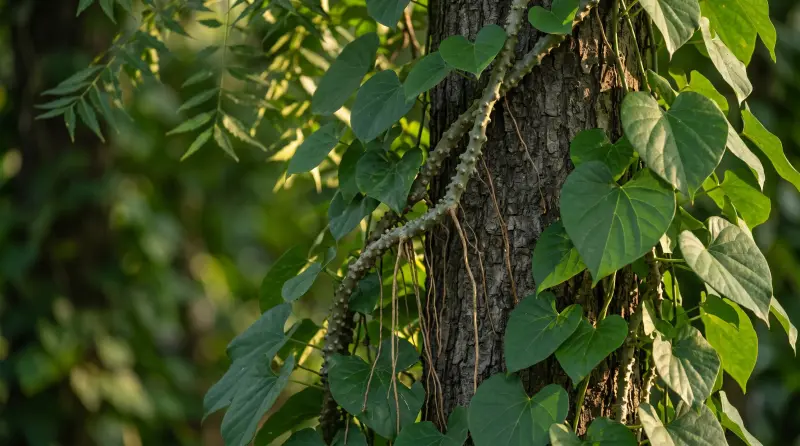
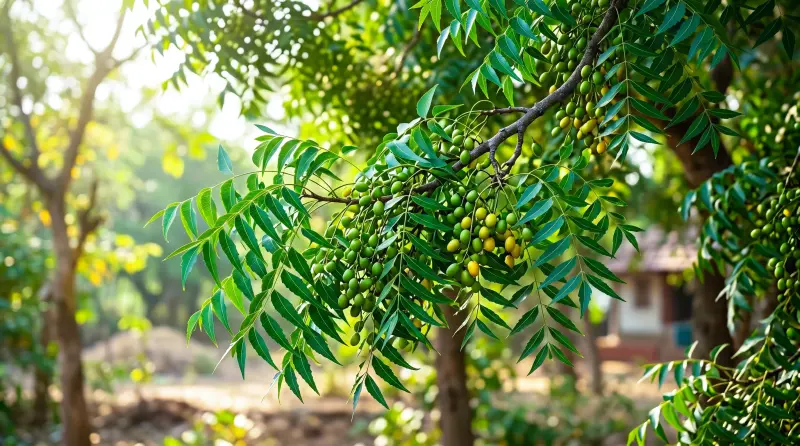
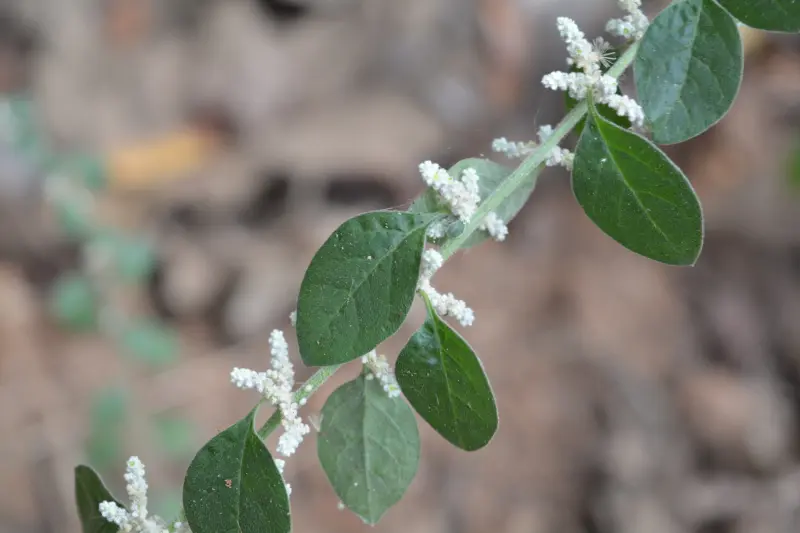
Fact Check
Scientific Truth: Guava can help regulate blood sugar levels, but it cannot cure diabetes completely from the root. It is a supportive measure, not a cure.
About the Author

Vikas Pal
Medicinal Plant Researcher & Health Content WriterVikas Pal is an independent Herbal Researcher and Health Content Writer with over one year of experience in researching medicinal plants and evidence-based herbal medicine. He specializes in reviewing scientific literature, analyzing traditional herbal knowledge, and presenting accurate, easy-to-understand information based on trusted sources, including peer-reviewed journals, PubMed, WHO, and other reputable health organizations. His goal is to make reliable herbal knowledge accessible while helping readers understand the potential benefits, safety, traditional uses, and current scientific evidence of medicinal plants.