

Ayurvedic Perspective: The Ancient Wisdom of Brahmi
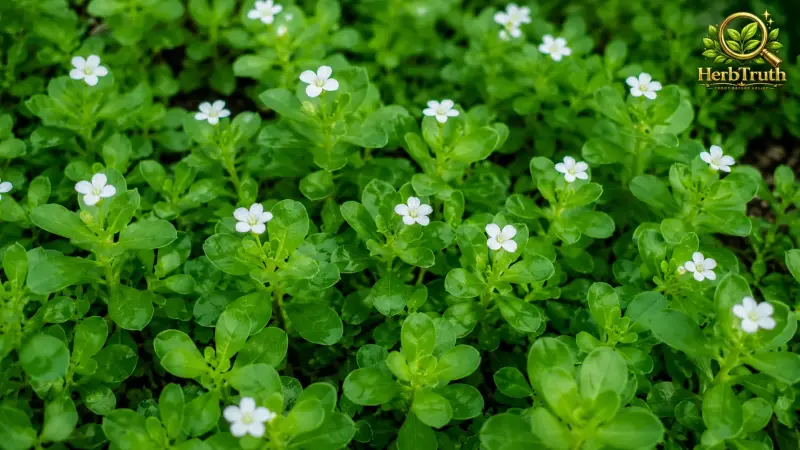
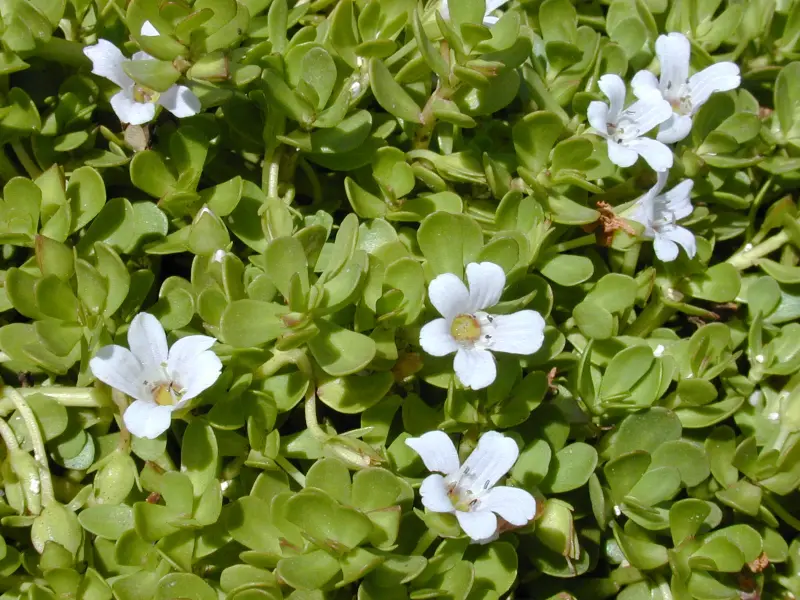
In Ayurveda, the traditional Indian system of medicine, Bacopa monnieri, known widely as Brahmi, is a revered herb, particularly celebrated for its profound impact on cognitive health. This small, creeping plant thrives in damp, marshy areas and has been a cornerstone of Ayurvedic formulations for centuries, recognized for its 'medhya' (intellect-enhancing) and 'rasayana' (rejuvenative) properties. Other local names include Water Hyssop in English, ब्राह्मी in Hindi and Bengali, and 假马齿苋 in Chinese.
According to classical Ayurvedic texts like the Bhavaprakasha Nighantu, Brahmi possesses specific energetic properties:
- Rasa (Taste): Tikta (Bitter), Kashaya (Astringent)
- Guna (Qualities): Laghu (Light), Ruksha (Dry)
- Virya (Potency): Sheeta (Cooling)
- Vipaka (Post-digestive taste): Madhura (Sweet)
- Dosha Effect: Tridoshashamak (Balances all three Doshas), especially Pitta and Kapha.
- Special Action (Prabhava): Medhya (intellect enhancer), Rasayana (rejuvenative), Ayushya (life-prolonging).
Modern Scientific Evidence: Unlocking Brahmi's Cognitive Power
Modern scientific research increasingly validates what Ayurveda has known for millennia regarding Brahmi's benefits, particularly for cognitive function and memory. Its efficacy in this area boasts an impressive evidence score of 92/100, supported by numerous human trials (15), reviews (8), animal studies (10), and lab research (7).
How Brahmi Supports Brain Memory: Mechanisms of Action
Bacopa monnieri's primary mechanism for enhancing memory involves improving synaptic activity and increasing dendritic arborization—essentially strengthening the communication pathways between brain cells. Its active compounds, bacosides, also modulate key neurotransmitter systems, including acetylcholine, serotonin, and GABA, which are crucial for learning and memory retention.
Beyond memory, Brahmi is also highly regarded for its adaptogenic properties, helping the body manage stress and anxiety (evidence score: 88/100, 10 human trials), and supporting overall mental well-being. It can reduce stress hormone levels and exert a calming effect by modulating the HPA axis and increasing GABAergic activity. Furthermore, it shows promise in improving ADHD symptoms in children, enhancing attention, concentration, and impulse control by modulating dopaminergic and serotonergic systems.
Relevant Research Insights
- Research highlights the potential for novel therapeutic approaches in Alzheimer's disease by identifying a C-terminal ATP binding sites-based Hsp90-Inhibitor through in silico methods. This indicates a focus on understanding molecular targets for neurodegenerative conditions like Alzheimer's, which are characterized by severe memory impairment [Study on Alzheimer's disease therapeutic approach].
- Another study investigated the impact of action video gaming behavior on attention, anxiety, and sleep among university students. The findings contribute to our understanding of factors affecting cognitive function and memory, particularly attention and anxiety, areas where Brahmi is known to offer support [Research on video gaming, attention, and anxiety].
- While not directly linked to Bacopa monnieri in their abstracts, other studies provided in the database offer broader scientific context. For example, some human studies explored aspects like the controlled delivery of peptides [Human study on peptide delivery] and the association of a specific polymorphism with coronary artery disease risk [Human study on genetic polymorphism and heart disease]. Review studies examined topics such as ethical issues in publication [Lab study on publication ethics], musculoskeletal consequences of COVID-19 [Review on COVID-19 musculoskeletal effects], and quality of life in cancer treatment [Review on cancer treatment quality of life]. Animal studies also investigated leptospirosis [Animal study on leptospirosis], plant genetics [Animal study on plant genetics], and molecular structures [Animal study on crystal structure]. A further animal study explored hypertension's effect on arterial responses [Animal study on hypertension and arterial responses], and a review identified a regulator of the SIRPα-CD47 axis [Review on cellular regulation]. While diverse, these studies collectively underscore the broad spectrum of scientific inquiry relevant to understanding human health and biology.
Direct Quick Answer: The Best Herb for Brain Memory
Based on extensive traditional use and robust modern scientific validation, Bacopa monnieri, commonly known as Brahmi, stands out as an exceptional herb for enhancing brain memory. It is highly revered in Ayurveda as a 'medhya rasayana,' specifically categorized for improving intellect, memory, and overall cognitive function. Scientific studies, including numerous human trials, affirm its ability to enhance memory and learning by improving communication between brain cells, modulating neurotransmitters, and promoting synaptic activity. Brahmi's adaptogenic properties also contribute to cognitive benefits by reducing stress and anxiety, which can often impair memory and concentration. While generally considered safe for many, it's crucial to note that Brahmi should be avoided during pregnancy and breastfeeding due to insufficient safety research. Some individuals may also experience mild gastrointestinal effects like nausea, stomach cramps, or diarrhea, especially when taken on an empty stomach. Always consult a healthcare professional before incorporating any new herbal supplement into your routine.