Turmeric (Curcuma longa): Benefits, Dosage, Side Effects & Research
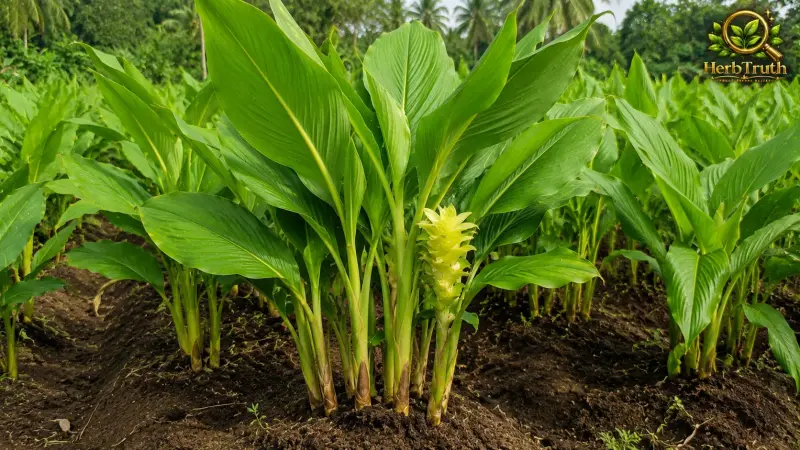
Turmeric is a perennial herbaceous plant from the ginger family, Zingiberaceae, primarily cultivated for its rhizomes which are used as a spice, a traditional medicine, and a vibrant yellow dye. It is highly valued for its active compounds, curcuminoids.
Quick Facts & Key Highlights
Table of Contents
What is the Scientific Name of Turmeric?
The botanical or scientific name of Curcuma longa is commonly known as Turmeric. This plant botanically belongs to the Zingiberaceae family. Its other local or common vernacular names include Turmeric, हल्दी, हरिद्रा.
Ayurvedic Profile (Classical Ayurvedic Properties)
Ayurvedic characteristics according to classical text Bhavaprakasha Nighantu, Charaka Samhita:
Key Active Phytochemicals & Bioactive Compounds
Phytochemicals Found in Plant Parts
Diseases Treated, Healing Action & Scientific Proofs
1 Verified ConditionsWhy Disease Occurs & Human Body Impact:
Chronic inflammation arises from prolonged immune responses to persistent pathogens, irritants (e.g., pollutants, toxins), autoimmune conditions, or metabolic dysfunction (e.g., obesity, dysglycemia). Lifestyle factors like poor diet, sedentary behavior, and chronic stress significantly contribute. Oxidative stress, an imbalance between reactive oxygen species (ROS) production and antioxidant defenses, stems from metabolic processes, environmental exposures (e.g., UV radiation, smoking), and is often directly fueled by or intricately linked with inflammation, creating a self-perpetuating cycle of cellular damage. Chronic inflammation and oxidative stress are fundamental drivers of widespread cellular and tissue damage, contributing to the pathogenesis and progression of numerous chronic diseases. These include cardiovascular diseases (e.g., atherosclerosis), metabolic disorders (e.g., type 2 diabetes, non-alcoholic fatty liver disease), neurodegenerative conditions (e.g., Alzheimer's, Parkinson's), autoimmune diseases, and various cancers. Symptoms can range from insidious chronic fatigue, generalized pain, and cognitive dysfunction to specific organ damage, impaired immune function, and accelerated biological aging.
How Plant Acts & Heals This Disease:
Curcumin in turmeric exhibits powerful anti-inflammatory and antioxidant properties, helping to reduce inflammation and oxidative damage in the body.
Estimated Time to See Results:
Turmeric, specifically its active curcuminoids, exerts its therapeutic effects through potent anti-inflammatory and antioxidant mechanisms, modulating key molecular pathways. As a natural supplement, its benefits are typically gradual and supportive rather than acutely curative. Patients might experience subjective improvements in symptoms such as joint discomfort or digestive health within 4 to 8 weeks of consistent, appropriate supplementation, particularly with highly bioavailable formulations. For more profound and measurable systemic effects on inflammation and oxidative stress markers, continuous use over 3 to 6 months or longer is generally recommended. Turmeric is best integrated into a holistic health strategy, aiming for sustained disease management, symptom reduction, and improved well-being rather than immediate or dramatic recovery, and individual responses can vary.
Recommended Dosage & Adjuvant:
Take 1-3 grams of turmeric powder once or twice daily with warm water or milk.
Fact Check
Scientific Truth: Curcumin has shown effects in inhibiting the growth of cancer cells in laboratory and animal studies, and preliminary human studies are promising, but it remains an active area of research and is not confirmed as a cure for cancer.
About the Author

Vikas Pal
Medicinal Plant Researcher & Health Content WriterVikas Pal is an independent Herbal Researcher and Health Content Writer with over one year of experience in researching medicinal plants and evidence-based herbal medicine. He specializes in reviewing scientific literature, analyzing traditional herbal knowledge, and presenting accurate, easy-to-understand information based on trusted sources, including peer-reviewed journals, PubMed, WHO, and other reputable health organizations. His goal is to make reliable herbal knowledge accessible while helping readers understand the potential benefits, safety, traditional uses, and current scientific evidence of medicinal plants.