
Indian Lilac, Margosa (Azadirachta indica): Benefits, Dosage, Side Effects & Research
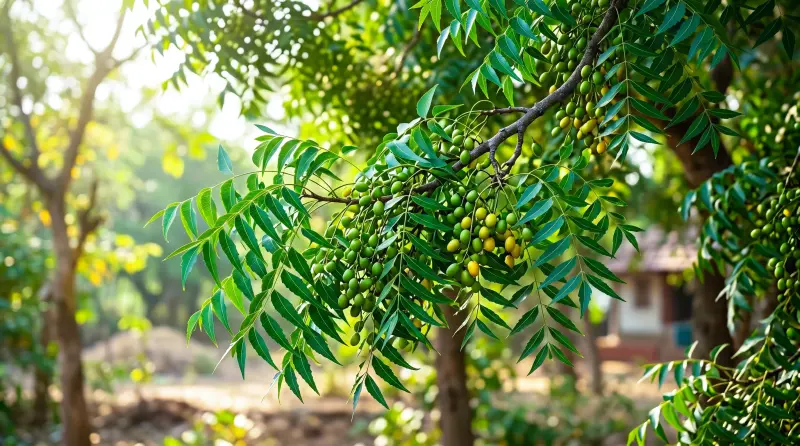
Neem (*Azadirachta indica A. Juss.*) is an evergreen and exceptionally long-lived medicinal tree, belonging to the Meliaceae (Mahogany family). Its native habitat is considered to be the Indian subcontinent, but it is currently widely found in Asia, Africa, Australia, and other tropical and subtropical regions. Typically, a neem tree can grow up to 15 to 30 meters tall, and its bark is brown or dark grey, rough, and fissured.
Neem leaves are compound (pinnate), with 8 to 19 serrated leaflets. Each leaflet is dark green, pointed, and approximately 3 to 8 centimeters long. In spring, small, white, and fragrant flowers bloom in panicles on this tree. Its flowers are bisexual and attract bees and other pollinating insects.
The fruit is an oval drupe, which is green initially and appears yellow or pale yellow upon ripening. Each fruit typically contains a hard seed, from which neem oil is extracted. This oil contains bioactive compounds such as Azadirachtin, Nimbin, Nimbidin, Gedunin, and Salannin, which are renowned for its medicinal and natural pesticidal properties.
Neem thrives easily even in dry, hot areas with low rainfall. It grows well in sandy, loamy, and slightly alkaline soils and has drought tolerance. Its deep root system helps prevent soil erosion and plays a significant role in environmental conservation. Due to its versatile nature, medicinal properties, and environmental significance, Neem is also known as "Nature's Pharmacy" in India.
Quick Facts & Key Highlights
Table of Contents
What is the Scientific Name of Indian Lilac, Margosa?
The botanical or scientific name of Azadirachta indica is commonly known as Indian Lilac, Margosa. This plant botanically belongs to the Meliaceae family. Its other local or common vernacular names include Indian Lilac, Margosa, नीम, निम्बा, अरिष्ट, पिचुमर्द.
Ayurvedic Profile (Classical Ayurvedic Properties)
Ayurvedic characteristics according to classical text Charaka Samhita, Sushruta Samhita, Bhavaprakasha Nighantu:
Key Active Phytochemicals & Bioactive Compounds
Phytochemicals Found in Plant Parts
Active Bioactive Compounds (via PubChem & IMPPAT)
Bioactive molecules providing therapeutic results for target ailments:
Azadirachtin A is a member of the family of azadirachtins that is isolated from the neem tree (Azadirachta indica). It has a role as a hepatoprotective agent. It is a methyl ester, a tertiary alcohol, an epoxide, a secondary alcohol, an organic heterotetracyclic compound, an azadirachtin, an acetate ester, an enoate ester and a cyclic hemiketal.
Nimbin is a member of furans, a methyl ester, a tetracyclic triterpenoid, a cyclic terpene ketone, a limonoid, an acetate ester and an enone. It has a role as a pesticide and a plant metabolite.
Salannin is a limonoid with insecticidal activity isolated from Azadirachta indica. It has a role as an antifeedant, an insect growth regulator and a plant metabolite. It is a member of furans, a methyl ester, an organic heteropentacyclic compound, a limonoid and an acetate ester. It is functionally related to a tiglic acid.
Diseases Treated, Healing Action & Scientific Proofs
12 Verified ConditionsWhy Disease Occurs & Human Body Impact:
Pesticide/insecticide poisoning results from exposure to these chemical agents, primarily through dermal absorption, inhalation, or ingestion. These substances are designed to disrupt biological processes in pests, and when humans are exposed, they can interfere with critical physiological functions, such as neurotransmission (e.g., acetylcholinesterase inhibition by organophosphates and carbamates), ion channel modulation (e.g., by pyrethroids and organochlorines), or cellular respiration, leading to systemic toxicity. The harm caused varies significantly based on the type of pesticide, dose, and route of exposure. Acute poisoning can manifest with severe neurological symptoms (e.g., seizures, paralysis, confusion, coma), respiratory distress (e.g., bronchospasm, respiratory failure), cardiovascular dysfunction (e.g., bradycardia, arrhythmias), gastrointestinal disturbances (e.g., nausea, vomiting, abdominal pain), and dermatological reactions. Specific agents can cause unique syndromes; for instance, organophosphate poisoning is characterized by cholinergic crisis (SLUDGE symptoms, miosis, muscle fasciculations). Chronic exposure may lead to long-term neurological damage, endocrine disruption, kidney/liver damage, immunotoxicity, and increased risk of certain cancers.
How Plant Acts & Heals This Disease:
Neem acts as a natural pesticide and insect repellent, offering protection against crop pests and household insects.
Key Active Compounds in Herb targeting this Ailment
AzadirachtinEstimated Time to See Results:
For acute pesticide poisoning, immediate and intensive conventional medical intervention is paramount and often life-saving; there is no established role for Indian Lilac (Margosa, Azadirachta indica) as a primary or rapid-acting antidote. While Neem possesses various beneficial pharmacological properties, including antioxidant, anti-inflammatory, and hepatoprotective effects demonstrated in in vitro and animal studies, its efficacy in human pesticide poisoning treatment to "show performance, reduce impact, or support recovery" in an acute setting is not clinically proven or standardized. If used in a supportive or complementary capacity for generalized well-being or mitigation of secondary effects (e.g., oxidative stress, liver support) after stabilization by conventional medicine, any perceived benefits would likely be gradual, emerging over weeks to months, and highly variable among individuals. Patients should be explicitly advised that Neem is not a substitute for urgent medical care in cases of suspected poisoning.
Recommended Dosage & Adjuvant:
Spray neem oil on crops or as repellent on skin.
Why Disease Occurs & Human Body Impact:
Oral plaque is a sticky, colorless biofilm composed primarily of bacteria, salivary proteins, and food debris that constantly forms on tooth surfaces. When this plaque is not effectively removed through regular and thorough oral hygiene practices (brushing, flossing), it matures and can calcify into calculus (tartar). The persistent presence of bacterial plaque and calculus near the gum line triggers an inflammatory host response, leading to gingivitis, which is the initial stage of periodontal disease. Factors such as poor diet, smoking, systemic diseases (e.g., diabetes), hormonal fluctuations, and certain medications can exacerbate plaque accumulation and gingival inflammation. Gingivitis primarily manifests as inflammation of the gingiva, characterized by redness, swelling, tenderness, and a propensity for bleeding, particularly during brushing, flossing, or even spontaneous instances. Other common symptoms include halitosis (bad breath) and a persistent metallic taste. If left unmanaged, chronic gingivitis can progress to periodontitis, a more severe and irreversible condition where the inflammation extends to the deeper supporting structures of the teeth, leading to the destruction of the periodontal ligament and alveolar bone. This results in gum recession, pocket formation, tooth mobility, and ultimately, tooth loss. Furthermore, chronic oral inflammation has been linked to systemic health issues, including an increased risk of cardiovascular disease and complications in diabetes management.
How Plant Acts & Heals This Disease:
Neem reduces plaque, gingivitis, and bad breath, improving overall oral hygiene.
Key Active Compounds in Herb targeting this Ailment
NimbidinEstimated Time to See Results:
Indian Lilac (*Azadirachta indica*), commonly known as Neem or Margosa, possesses well-documented antimicrobial, anti-inflammatory, and antioxidant properties, making it a valuable botanical adjunct in oral health. When utilized in formulations such as toothpastes, mouthwashes, or traditional chewing sticks, Neem can contribute to reducing the bacterial load in the oral cavity and mitigating gingival inflammation. Patients with mild to moderate gingivitis, who diligently adhere to mechanical oral hygiene (brushing, flossing) alongside the consistent use of Neem-based products, may begin to observe a reduction in symptomatic bleeding gums and inflammation within **1 to 2 weeks**. While Neem can support gum health and reduce bacterial plaque, it is crucial to understand that it is a supportive therapy. Complete resolution of gingivitis and effective long-term plaque control necessitate sustained daily oral hygiene practices and regular professional dental cleanings for calculus removal and comprehensive periodontal assessment. Continued daily use of Neem-based products is typically required to maintain its beneficial effects.
Recommended Dosage & Adjuvant:
Brush teeth with neem twig.
Why Disease Occurs & Human Body Impact:
Dandruff is primarily linked to an overgrowth of the yeast *Malassezia globosa* on the scalp, often exacerbated by factors such as oily or dry skin, and individual sensitivities to hair care products. Lice infestations occur through direct head-to-head contact with an infected individual, facilitating the transfer and colonization of the parasitic louse *Pediculus humanus capitis* on the scalp. Dandruff typically manifests as scalp flaking, itching (pruritus), and irritation, which can cause significant social discomfort and, in severe cases, secondary bacterial infections due to scratching. Lice infestations result in intense scalp pruritus stemming from allergic reactions to louse saliva, the presence of visible nits (eggs) firmly attached to hair shafts, and potential secondary bacterial skin infections (e.g., impetigo) resulting from persistent scratching.
How Plant Acts & Heals This Disease:
Neem oil treats dandruff, lice, and promotes healthy hair growth.
Key Active Compounds in Herb targeting this Ailment
Nimbidin, AzadirachtinEstimated Time to See Results:
For dandruff, consistent application of Indian Lilac (Margosa/Neem) formulations may initiate a reduction in flaking and itching within 1-2 weeks, with substantial improvement for sustained fungal control typically requiring several weeks to a few months of regular use. For lice, acute effects on live parasites may be observed within 24-48 hours, but complete eradication often necessitates repeated applications over 1-2 weeks (e.g., on day 1 and then again on day 7-10) to effectively target newly hatched nits and ensure full clearance. Patients can expect reduced symptoms and a decrease in parasite load, but diligent adherence to follow-up treatments and meticulous manual nit removal are critical for successful management of lice.
Recommended Dosage & Adjuvant:
Apply neem oil on hair and scalp.
Why Disease Occurs & Human Body Impact:
Skin conditions and acne result from sebum overproduction, localized bacterial colonisation, tissue inflammation, and impaired epidermal barrier function. Physical weakness, loss of energy, and vulnerability to secondary health complications.
How Plant Acts & Heals This Disease:
Neem's antibacterial, antifungal, and anti-inflammatory properties help clear skin and reduce irritation.
Key Active Compounds in Herb targeting this Ailment
Nimbidin, NimbidolEstimated Time to See Results:
2 to 4 Weeks (14 to 28 days of continuous herbal administration)
Recommended Dosage & Adjuvant:
Neem leaf paste for topical application.
Why Disease Occurs & Human Body Impact:
Skin conditions and acne result from sebum overproduction, localized bacterial colonisation, tissue inflammation, and impaired epidermal barrier function. Physical weakness, loss of energy, and vulnerability to secondary health complications.
How Plant Acts & Heals This Disease:
Neem helps in accelerating wound healing and preventing infections.
Key Active Compounds in Herb targeting this Ailment
Nimbidin, LimonoidsEstimated Time to See Results:
3 to 7 Days (Noticeable relief begins within 24 to 48 hours of regular usage)
Recommended Dosage & Adjuvant:
Apply neem leaf paste on wound.
Why Disease Occurs & Human Body Impact:
This health condition develops due to oxidative stress, immune dysregulation, and localized tissue inflammation. Physical weakness, loss of energy, and vulnerability to secondary health complications.
How Plant Acts & Heals This Disease:
Neem inhibits the growth of various fungal infections, such as ringworm and athlete's foot.
Key Active Compounds in Herb targeting this Ailment
Nimbidin, GeduninEstimated Time to See Results:
4 to 8 Weeks (1 to 2 months of consistent herbal intake)
Recommended Dosage & Adjuvant:
Apply neem oil on affected area.
Why Disease Occurs & Human Body Impact:
The term 'Anti-inflammatory' describes a therapeutic action or property, not a disease itself. Patients typically seek 'anti-inflammatory' treatments for *inflammatory diseases*. These conditions arise when the body's immune system initiates or sustains an inappropriate inflammatory response. Primary causes are diverse and can include autoimmune dysfunction (where the immune system attacks the body's own tissues, e.g., rheumatoid arthritis), persistent infections, allergic reactions, exposure to irritants, physical trauma, or genetic predispositions that predispose individuals to dysregulated immune responses. The underlying mechanism involves the activation of immune cells and the subsequent release of pro-inflammatory mediators such as cytokines, prostaglandins, and leukotrienes. The harm caused by inflammatory diseases is highly variable, depending on the affected tissues and chronicity. Acute inflammation typically manifests as localized redness, swelling, heat, pain, and temporary loss of function. Chronic inflammation, however, can lead to progressive tissue damage, organ dysfunction, fibrosis, and chronic pain. Systemic inflammatory conditions may present with generalized symptoms like fatigue, fever, malaise, and can increase the risk of developing secondary complications such as cardiovascular disease, metabolic disorders, or exacerbation of autoimmune conditions. Specific examples include joint destruction in arthritis, skin lesions in psoriasis, or impaired organ function.
How Plant Acts & Heals This Disease:
Neem is effective in reducing inflammation and pain in various conditions.
Key Active Compounds in Herb targeting this Ailment
Nimbin, Nimbidin, QuercetinEstimated Time to See Results:
Indian Lilac (Azadirachta indica), commonly known as Margosa or Neem, possesses well-documented anti-inflammatory, immunomodulatory, and antioxidant properties attributed to its rich array of bioactive compounds like nimbidin and nimbolide. When used as a supportive or adjunctive therapy for inflammatory conditions, its effects are typically gradual. For acute, mild inflammatory symptoms (e.g., minor skin irritations or joint discomfort), some reduction in impact may be perceived within several days to a week of consistent application or ingestion. For chronic inflammatory diseases, a more noticeable symptomatic improvement, such as reduced pain, swelling, or itching, or decreased frequency of flare-ups, usually requires consistent use over several weeks to months. It is crucial to manage expectations; while Neem can support the body's natural anti-inflammatory processes and contribute to overall well-being, it is not a rapid-acting pharmaceutical. Individual responses can vary significantly based on the specific condition, severity, dosage, formulation, and individual physiological factors. Consultation with a healthcare professional is always recommended, especially for chronic conditions or when concurrently using other medications, as it should not replace conventional medical treatment.
Recommended Dosage & Adjuvant:
Massage with neem oil.
Why Disease Occurs & Human Body Impact:
Type-2 diabetes develops when insulin secretion decreases or tissue cells become resistant to insulin, leading to elevated blood glucose and metabolic fatigue. Physical weakness, loss of energy, and vulnerability to secondary health complications.
How Plant Acts & Heals This Disease:
Neem helps in regulating blood sugar levels and may improve insulin sensitivity.
Key Active Compounds in Herb targeting this Ailment
Gedunin, QuercetinEstimated Time to See Results:
4 to 8 Weeks (1 to 2 months of consistent herbal intake)
Recommended Dosage & Adjuvant:
5-10 ml neem leaf juice on empty stomach.
Why Disease Occurs & Human Body Impact:
This health condition develops due to oxidative stress, immune dysregulation, and localized tissue inflammation. Physical weakness, loss of energy, and vulnerability to secondary health complications.
How Plant Acts & Heals This Disease:
Neem helps in inhibiting the growth of malaria parasites and may reduce its transmission.
Key Active Compounds in Herb targeting this Ailment
GeduninEstimated Time to See Results:
4 to 8 Weeks (1 to 2 months of consistent herbal intake)
Recommended Dosage & Adjuvant:
Decoction of neem bark.
Why Disease Occurs & Human Body Impact:
Digestive issues arise from gastric acid imbalance, digestive enzyme insufficiency, and disruption of healthy intestinal gut flora. Physical weakness, loss of energy, and vulnerability to secondary health complications.
How Plant Acts & Heals This Disease:
Neem helps in expelling intestinal worms and improving digestive health.
Key Active Compounds in Herb targeting this Ailment
Azadirachtin, NimbinEstimated Time to See Results:
4 to 8 Weeks (1 to 2 months of consistent herbal intake)
Recommended Dosage & Adjuvant:
5-10 ml neem leaf juice.
Why Disease Occurs & Human Body Impact:
This health condition develops due to oxidative stress, immune dysregulation, and localized tissue inflammation. Physical weakness, loss of energy, and vulnerability to secondary health complications.
How Plant Acts & Heals This Disease:
Neem strengthens the immune system and enhances the body's ability to fight infections.
Key Active Compounds in Herb targeting this Ailment
QuercetinEstimated Time to See Results:
4 to 8 Weeks (1 to 2 months of consistent herbal intake)
Recommended Dosage & Adjuvant:
1-2 grams of neem leaf powder daily.
Why Disease Occurs & Human Body Impact:
Digestive issues arise from gastric acid imbalance, digestive enzyme insufficiency, and disruption of healthy intestinal gut flora. Physical weakness, loss of energy, and vulnerability to secondary health complications.
How Plant Acts & Heals This Disease:
Neem protects gastric mucosa and aids in ulcer healing.
Key Active Compounds in Herb targeting this Ailment
LimonoidsEstimated Time to See Results:
2 to 4 Weeks (14 to 28 days of continuous herbal administration)
Recommended Dosage & Adjuvant:
1-2 grams of neem bark powder.
Fact Check
Scientific Truth: Certain components of Neem have shown anti-cancer properties in laboratory and animal studies, but further intensive research on humans is required for it to be an effective treatment. It should not be used as a substitute for conventional medical treatment.
About the Author

Vikas Pal
Medicinal Plant Researcher & Health Content WriterVikas Pal is an independent Herbal Researcher and Health Content Writer with over one year of experience in researching medicinal plants and evidence-based herbal medicine. He specializes in reviewing scientific literature, analyzing traditional herbal knowledge, and presenting accurate, easy-to-understand information based on trusted sources, including peer-reviewed journals, PubMed, WHO, and other reputable health organizations. His goal is to make reliable herbal knowledge accessible while helping readers understand the potential benefits, safety, traditional uses, and current scientific evidence of medicinal plants.