
Brahmi, Water Hyssop (Bacopa monnieri): Benefits, Dosage, Side Effects & Research
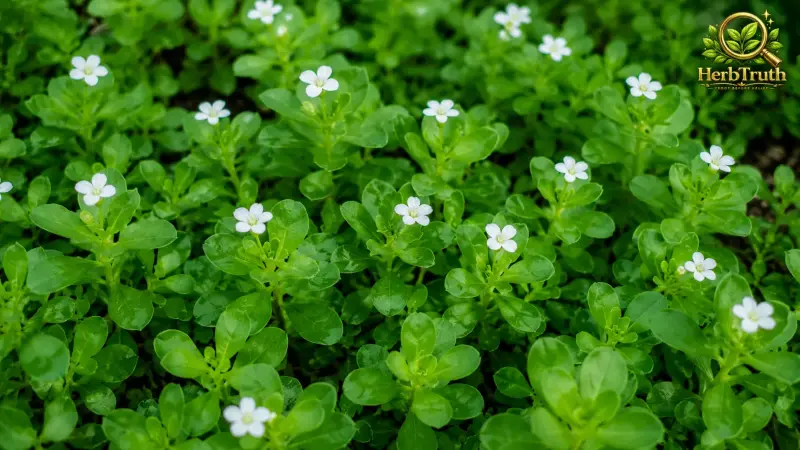
Brahmi is a small, creeping plant that grows in moist and marshy areas. It is highly revered in Ayurveda for its medicinal properties, especially for brain health.
Quick Facts & Key Highlights
Table of Contents
What is the Scientific Name of Brahmi, Water Hyssop?
The botanical or scientific name of Bacopa monnieri is commonly known as Brahmi, Water Hyssop. This plant botanically belongs to the Plantaginaceae family. Its other local or common vernacular names include Brahmi, Water Hyssop, ब्राह्मी, ब्राह्मी, मेध्या, सारस्वत.
Ayurvedic Profile (Classical Ayurvedic Properties)
Ayurvedic characteristics according to classical text Bhavaprakasha Nighantu:
Key Active Phytochemicals & Bioactive Compounds
Phytochemicals Found in Plant Parts
Diseases Treated, Healing Action & Scientific Proofs
11 Verified ConditionsWhy Disease Occurs & Human Body Impact:
Cognitive function and memory decline are multifactorial, stemming from a complex interplay of genetic predispositions, neurodegenerative processes (e.g., Alzheimer's disease, vascular dementia), chronic systemic conditions (e.g., diabetes, hypertension, thyroid disorders), nutritional deficiencies, chronic stress, sleep disturbances, certain medications, and age-related physiological changes in brain structure and neurotransmitter systems. Lifestyle factors, including diet, physical activity, and social engagement, also significantly influence cognitive resilience and vulnerability. Impairment in cognitive function and memory manifests as difficulties in recalling recent events, acquiring new information, maintaining attention, processing information speed, problem-solving, and decision-making. These deficits can significantly impede daily living activities, professional performance, and social interactions, leading to decreased independence, increased frustration, anxiety, and a diminished quality of life. In progressive conditions, it can culminate in a complete loss of self-care abilities.
How Plant Acts & Heals This Disease:
Brahmi enhances memory and learning ability by improving communication between brain cells.
Key Active Compounds in Herb targeting this Ailment
Bacosides (A & B)Estimated Time to See Results:
Clinical studies on Bacopa monnieri (Brahmi, Water Hyssop) suggest that its nootropic effects, such as improved memory acquisition and retention, enhanced learning speed, and reduced anxiety, typically become noticeable after consistent daily supplementation for a period ranging from 8 to 12 weeks, with some studies indicating further improvements up to 6 months. It is not an acute-acting substance. Patients should expect a gradual, supportive modulation of cognitive processes rather than an immediate or dramatic 'recovery.' Efficacy can vary individually, and consistent, long-term use is usually recommended to sustain potential benefits. It serves as a complementary support and should not replace conventional medical treatments for underlying conditions.
Recommended Dosage & Adjuvant:
3-6g Brahmi powder daily or 300-450mg standardized extract daily
Why Disease Occurs & Human Body Impact:
Stress and anxiety disorders arise from a complex interplay of genetic predispositions, environmental stressors, and neurobiological dysregulation. Key contributing factors include chronic psychosocial stress (e.g., work pressure, relational issues), traumatic experiences, maladaptive cognitive patterns, and imbalances in neurotransmitter systems such as serotonin, norepinephrine, and GABA. Dysregulation of the hypothalamic-pituitary-adrenal (HPA) axis, leading to altered cortisol responses, also plays a significant role in the pathophysiology of these conditions. Chronic stress and unmanaged anxiety can lead to a broad spectrum of adverse health outcomes. Physiologically, this includes cardiovascular issues such as hypertension and palpitations, gastrointestinal disturbances (e.g., irritable bowel syndrome, gastric ulcers), musculoskeletal tension, headaches, and impaired immune function, increasing susceptibility to illness. Psychologically, patients may experience persistent worry, irritability, impaired concentration, sleep disturbances (insomnia), fatigue, and in severe cases, panic attacks, social avoidance, and a heightened risk of developing comorbid depression, significantly impacting quality of life and functional capacity.
How Plant Acts & Heals This Disease:
Brahmi reduces anxiety and stress by lowering stress hormone levels and providing a calming effect.
Key Active Compounds in Herb targeting this Ailment
Bacosides (A & B), BrahmineEstimated Time to See Results:
Brahmi (Bacopa monnieri), an adaptogenic herb, is recognized for its potential neuroprotective and anxiolytic properties. Clinical studies suggest that its therapeutic effects are not immediate, but rather cumulative and typically observed with consistent daily supplementation. Patients can generally expect to notice preliminary improvements in cognitive function (e.g., memory, attention) and a reduction in anxiety symptoms (e.g., generalized anxiety, stress perception) within **4 to 12 weeks** of continuous use. Full therapeutic benefits, particularly for long-term stress resilience and cognitive enhancement, may take several months to fully manifest. It is crucial to manage expectations, as Brahmi acts as a supportive agent to promote neurochemical balance and adaptogenic responses, rather than an acute anxiolytic, and should be integrated into a comprehensive management plan under professional guidance.
Recommended Dosage & Adjuvant:
250-500mg Bacopa extract daily
Why Disease Occurs & Human Body Impact:
The concept of 'Antioxidant and Immune Support' refers not to a singular disease but rather to a physiological state where the body's intrinsic defenses against oxidative stress and pathogenic challenges are compromised or require enhancement. This need arises from various factors including, but not limited to, chronic psychological stress, environmental pollutant exposure (e.g., heavy metals, pesticides, air pollution), inadequate nutritional intake (deficiencies in vitamins C, E, selenium, zinc, etc.), aging processes, chronic inflammation, certain lifestyle choices (e.g., smoking, excessive alcohol consumption), and periods of increased physical or mental demand. These elements collectively contribute to an imbalance between reactive oxygen species production and the body's antioxidant capacity, and can suppress immune cell function, necessitating supportive interventions. When the body's antioxidant and immune support systems are insufficient, the primary harm manifests as increased cellular and tissue damage due to uncontrolled oxidative stress. This can lead to accelerated cellular aging, mitochondrial dysfunction, DNA damage, and lipid peroxidation, contributing to the pathogenesis of various chronic diseases, including neurodegenerative disorders (e.g., Alzheimer's, Parkinson's), cardiovascular diseases (e.g., atherosclerosis), certain cancers, and metabolic syndrome. Concurrently, compromised immune function increases susceptibility to infections (bacterial, viral, fungal), prolongs recovery from illness, exacerbates inflammatory responses, and can impair the body's ability to surveil and eliminate aberrant cells, potentially increasing cancer risk. Symptoms may be non-specific, including chronic fatigue, frequent infections, prolonged wound healing, impaired cognitive function, and generalized inflammation.
How Plant Acts & Heals This Disease:
Potent antioxidants in Brahmi protect cells from damage caused by free radicals.
Key Active Compounds in Herb targeting this Ailment
Luteolin, Bacosides (A & B)Estimated Time to See Results:
Brahmi (Bacopa monnieri) is recognized for its adaptogenic, nootropic, and antioxidant properties, primarily attributed to bacosides. Its mechanism of action involves enhancing endogenous antioxidant enzyme activity (e.g., superoxide dismutase, catalase, glutathione peroxidase) and modulating immune responses. The effects of Brahmi are generally cumulative and require consistent, long-term administration rather than acute dosing. While some subtle cognitive or stress-modulating benefits might be perceived within 4-6 weeks, significant and clinically measurable improvements in antioxidant status or immune resilience are typically observed after 8-12 weeks of daily supplementation. Optimal benefits, particularly in the context of neuroprotection and sustained cognitive enhancement, often require continuous use for several months. It is important to manage expectations, as Brahmi acts as a supportive agent, aiding the body's natural restorative processes, and is not an immediate curative intervention for acute conditions.
Recommended Dosage & Adjuvant:
3-6g Brahmi powder daily
Why Disease Occurs & Human Body Impact:
Attention-Deficit/Hyperactivity Disorder (ADHD) is a complex neurodevelopmental disorder with a multifactorial etiology. Primary causes involve a strong genetic predisposition, with heritability estimates ranging from 70-80%. Neurobiological factors include differences in brain structure and function, particularly in regions responsible for executive functions like the prefrontal cortex, basal ganglia, and cerebellum. Imbalances in neurotransmitters, especially dopamine and norepinephrine, which regulate attention, motivation, and reward pathways, are also implicated. Environmental factors such as prenatal exposure to toxins (e.g., nicotine, alcohol), premature birth, very low birth weight, and early childhood lead exposure may contribute, though they are not considered primary causes for most cases. ADHD primarily manifests through persistent patterns of inattention, hyperactivity, and impulsivity that interfere with functioning or development. Key symptoms include difficulty sustaining attention on tasks, being easily distracted, forgetfulness in daily activities, poor organization, excessive fidgeting or restlessness, difficulty remaining seated, excessive talking, interrupting others, and difficulty awaiting one's turn. These symptoms can lead to significant functional impairment across various domains, including academic underachievement, occupational difficulties, strained social relationships, increased risk of accidents, lower self-esteem, and higher rates of co-occurring mental health conditions such as anxiety disorders, depression, and substance use disorders.
How Plant Acts & Heals This Disease:
Brahmi may help improve ADHD symptoms in children by enhancing attention, concentration, and impulse control.
Key Active Compounds in Herb targeting this Ailment
Bacosides (A & B)Estimated Time to See Results:
Brahmi (Bacopa monnieri) is recognized for its adaptogenic and nootropic properties, often studied for cognitive enhancement and anxiolytic effects. Unlike prescription medications for ADHD, which can show rapid onset of action, the benefits of Bacopa monnieri are typically gradual and cumulative. Clinical studies investigating cognitive improvements, including aspects of attention and working memory, often report statistically significant improvements after consistent daily supplementation for a minimum of 8 to 12 weeks. Patients should expect a supportive role in managing symptoms related to attention, memory, and stress, rather than a rapid 'reduction in impact' or 'recovery' in the same manner as pharmacological interventions. It is considered a complementary approach and its efficacy can vary between individuals; sustained use over several months is generally required to observe its full potential benefits.
Recommended Dosage & Adjuvant:
225-450mg standardized extract daily for children
Why Disease Occurs & Human Body Impact:
The term 'Anti-inflammatory' describes a therapeutic action, not a disease itself. However, if the patient is referring to conditions characterized by inflammation, then inflammation occurs as the body's protective response to injury, infection (e.g., bacterial, viral), or irritation. It involves immune cells, blood vessels, and molecular mediators that work to eliminate the initial cause of cell injury, clear out damaged tissues, and initiate tissue repair. When this response is dysregulated, excessive, or chronic, it transitions from a beneficial protective mechanism to a detrimental process, contributing to various inflammatory diseases and conditions. Causes can include autoimmune reactions where the immune system mistakenly attacks healthy tissues, prolonged exposure to irritants, unresolved infections, or metabolic imbalances. The harm is caused by uncontrolled or chronic inflammation, which underlies numerous pathologies. Symptoms typically include pain, redness (rubor), swelling (tumor), heat (calor), and loss of function (functio laesa) in affected tissues or organs. Long-term, systemic inflammation is implicated in a wide spectrum of chronic diseases, including autoimmune disorders (e.g., rheumatoid arthritis, lupus), cardiovascular diseases (atherosclerosis), neurodegenerative conditions (e.g., Alzheimer's disease), metabolic disorders (e.g., type 2 diabetes), certain cancers, and conditions like inflammatory bowel disease or asthma. Sustained inflammatory processes can lead to progressive tissue damage, fibrosis, organ dysfunction, and systemic symptoms such as chronic fatigue, malaise, and fever.
How Plant Acts & Heals This Disease:
Brahmi helps reduce inflammation by inhibiting pro-inflammatory enzymes and cytokines in the body.
Key Active Compounds in Herb targeting this Ailment
BacopasaponinsEstimated Time to See Results:
Brahmi (Bacopa monnieri, Water Hyssop) is recognized primarily for its adaptogenic, anxiolytic, and cognitive-enhancing properties, though it also exhibits anti-inflammatory and antioxidant effects attributed to its active compounds like bacosides. For subtle anti-inflammatory support, particularly in chronic, mild conditions or for general well-being, consistent supplementation with Brahmi is typically required over several weeks to a few months to observe potential benefits. Patients should realistically expect gradual, supportive effects rather than rapid, dramatic changes. For cognitive and mood benefits, studies often suggest improvements become noticeable after 8-12 weeks of daily use. As a natural supplement, Brahmi's role is generally adjunctive, supporting the body's natural processes, and it is not a substitute for conventional medical treatment for acute or severe inflammatory diseases. Individual responses can vary widely.
Recommended Dosage & Adjuvant:
10-20ml leaf juice daily
Why Disease Occurs & Human Body Impact:
Depression, or Major Depressive Disorder (MDD), is a multifactorial psychiatric condition arising from a complex interplay of genetic predisposition, neurobiological abnormalities (e.g., dysregulation of neurotransmitters such as serotonin, norepinephrine, dopamine; altered brain structure and function, particularly in regions involved in mood regulation like the prefrontal cortex, hippocampus, and amygdala), psychological factors (e.g., cognitive distortions, maladaptive coping mechanisms), and environmental stressors (e.g., chronic stress, trauma, social isolation, chronic illness). It is not solely a 'chemical imbalance' but rather a systemic disorder affecting multiple biological pathways. Clinical depression causes significant impairment across multiple domains of life. Primary symptoms include persistent pervasive sadness or anhedonia (loss of interest or pleasure), profound fatigue and decreased energy, sleep disturbances (insomnia or hypersomnia), significant appetite and weight changes, psychomotor agitation or retardation, impaired concentration and decision-making, feelings of worthlessness or excessive guilt, and recurrent thoughts of death or suicidal ideation. Physiologically, chronic depression is associated with increased systemic inflammation, compromised immune function, elevated cortisol levels, increased risk of cardiovascular disease, metabolic syndrome, and exacerbation of pre-existing chronic conditions. It significantly diminishes quality of life and functional capacity.
How Plant Acts & Heals This Disease:
Brahmi may help alleviate symptoms of depression by calming the mind and promoting neurotransmitter balance.
Key Active Compounds in Herb targeting this Ailment
Bacosides (A & B), HerpestineEstimated Time to See Results:
Brahmi (Bacopa monnieri), recognized for its adaptogenic and nootropic properties, is hypothesized to support mood and cognitive function through mechanisms such as modulating neurotransmitter systems (e.g., serotonin, acetylcholine), enhancing synaptic plasticity, reducing oxidative stress, and attenuating inflammation. While not a primary treatment for clinical depression, its supportive effects for mood and cognitive well-being typically require consistent daily administration over an extended period. Clinical studies and traditional use suggest that noticeable benefits, such as improved mood, reduced anxiety, and enhanced cognitive function, may begin to manifest gradually, often becoming discernible after 4 to 12 weeks of sustained supplementation. It is crucial to understand that Brahmi serves as an adjunctive herbal support, if at all, and individuals with diagnosed depression must maintain ongoing care with a qualified healthcare professional and adhere to established medical treatments. Individual responses to herbal interventions can vary.
Recommended Dosage & Adjuvant:
300-450mg Bacopa extract daily
Why Disease Occurs & Human Body Impact:
Epilepsy is a chronic neurological disorder characterized by recurrent, unprovoked seizures, resulting from abnormal, excessive, or synchronized electrical activity in the brain. Its etiology is diverse, encompassing structural brain lesions (e.g., stroke, tumors, malformations, traumatic brain injury), genetic predispositions, infectious diseases (e.g., meningitis, encephalitis), metabolic disturbances, immune-mediated processes, or often remains idiopathic. The primary manifestation is seizures, which can vary widely in presentation from brief staring spells (absence seizures) to generalized tonic-clonic convulsions, affecting motor function, consciousness, sensory perception, or autonomic processes. Complications include physical injuries sustained during seizures, status epilepticus (a medical emergency), cognitive impairment (e.g., memory, attention deficits), psychiatric comorbidities (e.g., depression, anxiety), and a heightened risk of Sudden Unexpected Death in Epilepsy (SUDEP). The unpredictable nature of seizures can also significantly impair quality of life, social integration, and occupational capacity.
How Plant Acts & Heals This Disease:
Brahmi possesses anticonvulsant properties that may help reduce the frequency and severity of epileptic seizures.
Key Active Compounds in Herb targeting this Ailment
Brahmine, HerpestineEstimated Time to See Results:
Brahmi (Bacopa monnieri) is an adaptogenic herb recognized in traditional medicine for its neuroprotective and cognitive-enhancing properties, attributed to active compounds like bacosides. While preclinical studies suggest potential anticonvulsant and neuromodulatory effects, its role in epilepsy is considered supportive and complementary, not a primary treatment. When used adjunctively with conventional antiepileptic drugs (AEDs), any potential benefits, such as a subtle reduction in seizure frequency or severity, or improvements in associated cognitive function and mood, typically require consistent daily supplementation for a minimum of 8-12 weeks, often extending to 3-6 months or longer, before observable effects may manifest. Patients should be advised that Brahmi is not a substitute for prescribed anticonvulsant medication, and discontinuing conventional treatment without medical supervision is highly dangerous. Consultation with a neurologist is imperative before incorporating Brahmi due to potential interactions with AEDs and to ensure appropriate management of epilepsy.
Recommended Dosage & Adjuvant:
As per Ayurvedic practitioner's advice
Why Disease Occurs & Human Body Impact:
Irritable Bowel Syndrome (IBS) is a chronic functional gastrointestinal disorder characterized by recurrent abdominal pain associated with altered bowel habits. Its etiology is multifactorial, involving a complex interplay of genetic predisposition, environmental factors, and psychosocial stressors. Key mechanisms include visceral hypersensitivity (enhanced sensation of pain from the gut), dysregulation of the gut-brain axis (impaired communication between the central nervous system and the enteric nervous system), alterations in gut motility, disturbances in the gut microbiota composition (dysbiosis), and low-grade inflammation. Post-infectious IBS can also occur following acute gastroenteritis. Crucially, IBS is defined by the absence of structural or biochemical abnormalities explaining the symptoms. The primary manifestations of IBS include recurrent abdominal pain or discomfort, often relieved by defecation, accompanied by changes in stool frequency (diarrhea, constipation, or alternating) or form. Other common symptoms are bloating, distension, excessive gas, urgency, and incomplete evacuation. While IBS does not lead to structural damage to the bowel, increase the risk of inflammatory bowel disease, or predispose to colorectal cancer, it significantly impairs quality of life. Patients often experience psychological distress, including anxiety and depression, which can both trigger and exacerbate gastrointestinal symptoms, leading to reduced productivity, social withdrawal, and overall diminished well-being.
How Plant Acts & Heals This Disease:
Brahmi may assist in IBS by influencing the gut-brain axis and reducing stress-related gastrointestinal symptoms.
Key Active Compounds in Herb targeting this Ailment
Bacosides (A & B)Estimated Time to See Results:
Brahmi (Bacopa monnieri), also known as Water Hyssop, is traditionally utilized in Ayurvedic medicine for its adaptogenic, anxiolytic, and neuroprotective properties. In the context of IBS, Brahmi's potential therapeutic benefits are primarily indirect, stemming from its ability to modulate the stress response and alleviate anxiety, which are significant triggers and exacerbating factors for IBS symptoms via the gut-brain axis. While direct clinical trials demonstrating Brahmi's efficacy in significantly reducing core IBS symptoms are limited, its stress-reducing effects may indirectly lead to a reduction in the frequency or intensity of stress-induced IBS flares. As with many herbal interventions, consistent administration is typically required, with potential initial effects on stress and anxiety possibly emerging within 4 to 8 weeks of regular use. More noticeable or sustained improvements in overall well-being and reduced symptom impact, particularly related to stress management, might be observed over a period of 8 to 12 weeks or longer. Patients should be advised that Brahmi is considered a complementary agent and should be integrated within a comprehensive IBS management strategy that includes dietary modifications, lifestyle adjustments, and conventional medical therapies as appropriate, rather than serving as a standalone cure.
Recommended Dosage & Adjuvant:
2-3g Brahmi powder daily
Why Disease Occurs & Human Body Impact:
Hypertension, or high blood pressure, predominantly results from a complex interaction of genetic susceptibility and modifiable lifestyle factors (termed Essential Hypertension). Primary contributors include excessive dietary sodium, inadequate physical activity, obesity, chronic psychological stress, excessive alcohol consumption, and aging. A smaller proportion of cases (Secondary Hypertension) stem from underlying medical conditions such as renal disease, endocrine disorders, or certain medications. Often asymptomatic in its early stages, hypertension progressively damages the cardiovascular system and vital organs due to sustained elevated arterial pressure. This leads to critical complications including myocardial infarction (heart attack), cerebrovascular accident (stroke), congestive heart failure, chronic kidney disease, peripheral artery disease, retinopathy with potential vision loss, and cognitive impairment.
How Plant Acts & Heals This Disease:
Brahmi may help regulate blood pressure by enhancing nitric oxide production and relaxing blood vessels.
Key Active Compounds in Herb targeting this Ailment
Bacosides (A & B)Estimated Time to See Results:
Brahmi (Bacopa monnieri), while recognized for its adaptogenic and neuroprotective properties, is not a primary therapeutic agent for hypertension and should never replace conventional antihypertensive medications. Preliminary research suggests it may offer supportive benefits through mechanisms such as mild vasorelaxation, antioxidant activity, and stress reduction. Any potential supportive impact, such as modest blood pressure modulation or reduction in stress, would typically become discernible gradually over several weeks to months of consistent daily administration. Patients must continue prescribed medical therapies and consult their healthcare provider before initiating Brahmi supplementation due to potential drug interactions and the necessity for continuous blood pressure monitoring.
Recommended Dosage & Adjuvant:
300mg Bacopa extract daily
Why Disease Occurs & Human Body Impact:
Liver health challenges, or the need for hepatoprotection, typically arise from multifactorial etiologies. Primary causes include chronic viral infections (e.g., Hepatitis B and C), metabolic dysregulation leading to Non-Alcoholic Fatty Liver Disease (NAFLD) often associated with obesity, type 2 diabetes, and dyslipidemia, excessive alcohol consumption, drug-induced liver injury (DILI) from pharmaceutical agents or environmental toxins, autoimmune conditions, and genetic predispositions. These factors collectively induce oxidative stress, inflammation, and cellular damage to hepatocytes, compromising liver function. The harm caused by compromised liver health progresses from cellular injury and inflammation (hepatitis) to the development of fibrotic tissue (fibrosis), eventually leading to irreversible scarring and distortion of liver architecture known as cirrhosis. Clinically, this can manifest as non-specific symptoms like fatigue, malaise, and poor digestion in early stages. As the disease advances, more severe symptoms emerge, including jaundice, dark urine, pruritus, ascites, peripheral edema, hepatic encephalopathy (neurological dysfunction), coagulopathy (impaired clotting), and an increased risk of hepatocellular carcinoma (liver cancer).
How Plant Acts & Heals This Disease:
Brahmi may support liver health by protecting the liver from toxin-induced damage and improving its function.
Key Active Compounds in Herb targeting this Ailment
Bacopasaponins, LuteolinEstimated Time to See Results:
Brahmi (Bacopa monnieri) is primarily recognized for its adaptogenic and neurocognitive benefits, with preclinical studies suggesting antioxidant and anti-inflammatory properties that may indirectly contribute to hepatoprotective support. However, its direct clinical efficacy as a primary hepatoprotective agent in human liver disease is not extensively established. If used as a complementary or supportive agent for general liver health and resilience against mild stressors, any potential beneficial effects would likely be subtle and accrue over a period of several weeks to months (typically 8-12 weeks or more) of consistent daily administration. It is imperative to manage expectations, as Brahmi is not a substitute for conventional medical treatment for established liver disease and is unlikely to induce rapid recovery or reverse significant pathological changes.
Recommended Dosage & Adjuvant:
As per Ayurvedic practitioner's advice
Why Disease Occurs & Human Body Impact:
Diabetes Mellitus is a chronic metabolic disorder characterized by elevated blood glucose levels. Type 1 Diabetes results from autoimmune destruction of insulin-producing pancreatic beta cells, leading to absolute insulin deficiency. Type 2 Diabetes, the most common form, develops from insulin resistance (cells do not respond effectively to insulin) coupled with progressive beta-cell dysfunction, leading to insufficient insulin production. Key contributing factors for Type 2 include genetic predisposition, obesity, physical inactivity, and unhealthy dietary patterns. Gestational diabetes occurs during pregnancy due to hormonal changes affecting insulin sensitivity. Chronic hyperglycemia in diabetes leads to widespread damage to various organ systems. Acute symptoms may include polydipsia (excessive thirst), polyuria (frequent urination), polyphagia (increased hunger), unexplained weight loss, fatigue, and blurred vision. Long-term complications are severe and include microvascular issues such as retinopathy (leading to vision loss and blindness), nephropathy (kidney damage progressing to renal failure), and neuropathy (nerve damage causing pain, numbness, and increasing risk of foot ulcers and amputations). Macrovascular complications involve accelerated atherosclerosis, increasing the risk of cardiovascular diseases like myocardial infarction, stroke, and peripheral artery disease. Diabetes also impairs immune function, rendering individuals more susceptible to infections.
How Plant Acts & Heals This Disease:
Preliminary research suggests Bacopa may help lower blood sugar levels and improve insulin sensitivity.
Key Active Compounds in Herb targeting this Ailment
BacopasaponinsEstimated Time to See Results:
Brahmi (Bacopa monnieri) is primarily recognized for its adaptogenic, nootropic, and neuroprotective properties, not as a primary treatment for diabetes. While preclinical studies suggest potential antioxidant, anti-inflammatory, and modest glucose-modulating effects, as well as benefits for diabetic complications like neuropathy, robust human clinical trials demonstrating significant glycemic control or disease reversal comparable to conventional antidiabetic medications are limited. Therefore, 'recovery time' in the context of Brahmi for diabetes is not applicable as it does not cure or provide primary management for the disease. If used as a supportive agent for its cognitive-enhancing or stress-modulating effects, benefits typically accrue gradually over several weeks to months (e.g., 8-12 weeks of consistent use). It is crucial for patients to understand that Brahmi should never replace conventional antidiabetic medications, dietary modifications, or lifestyle interventions prescribed by a healthcare professional. Its use should always be discussed with a physician to ensure safety, avoid potential drug interactions, and manage expectations, as its efficacy in significantly impacting diabetes progression or glucose levels is not established in clinical practice.
Recommended Dosage & Adjuvant:
As per Ayurvedic practitioner's advice
Other Certified Herbs for Cognitive Function and Memory
Below are other medicinal plants scientifically verified for treating this ailment:
Fact Check
Scientific Truth: Multiple human studies have shown that Brahmi improves memory, learning capacity, and cognitive functions, particularly in children and adults.
About the Author

Vikas Pal
Medicinal Plant Researcher & Health Content WriterVikas Pal is an independent Herbal Researcher and Health Content Writer with over one year of experience in researching medicinal plants and evidence-based herbal medicine. He specializes in reviewing scientific literature, analyzing traditional herbal knowledge, and presenting accurate, easy-to-understand information based on trusted sources, including peer-reviewed journals, PubMed, WHO, and other reputable health organizations. His goal is to make reliable herbal knowledge accessible while helping readers understand the potential benefits, safety, traditional uses, and current scientific evidence of medicinal plants.