
Indian Gooseberry (Phyllanthus emblica): Benefits, Dosage, Side Effects & Research
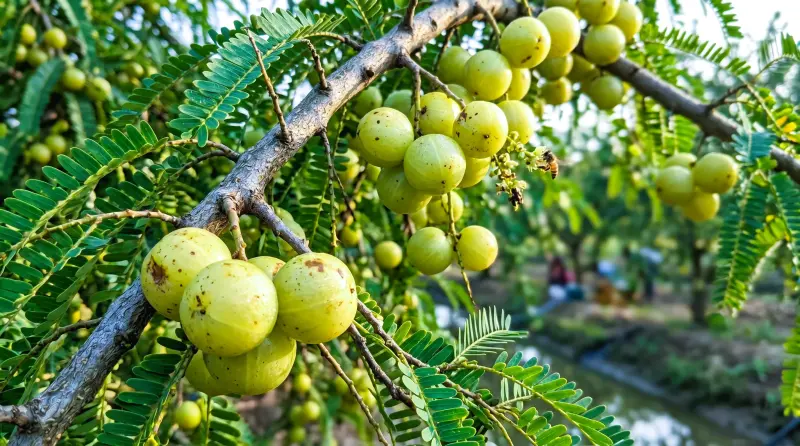
Amla is a small to medium-sized deciduous tree renowned for its medicinally valuable astringent, sour fruits. It has been used in traditional Indian medicine, particularly Ayurveda, for centuries.
Quick Facts & Key Highlights
Table of Contents
What is the Scientific Name of Indian Gooseberry?
The botanical or scientific name of Phyllanthus emblica is commonly known as Indian Gooseberry. This plant botanically belongs to the Phyllanthaceae family. Its other local or common vernacular names include Indian Gooseberry, आंवला.
Ayurvedic Profile (Classical Ayurvedic Properties)
Ayurvedic characteristics according to classical text Charaka Samhita, Sushruta Samhita, Bhavaprakasha Nighantu:
Key Active Phytochemicals & Bioactive Compounds
Phytochemicals Found in Plant Parts
Diseases Treated, Healing Action & Scientific Proofs
1 Verified ConditionsWhy Disease Occurs & Human Body Impact:
The need for 'Antioxidant and Immune Support' arises not from a single disease entity, but from chronic physiological imbalances primarily characterized by oxidative stress and immune dysregulation. Oxidative stress occurs when there is an imbalance between the production of reactive oxygen species (ROS) and the body's antioxidant defense systems, driven by factors such as environmental pollutants, chronic inflammation, metabolic stress, poor dietary habits, and the natural aging process. Immune dysregulation, conversely, involves a compromised or overactive immune response resulting from chronic stress, nutritional deficiencies, inadequate sleep, certain medications, chronic infections, and age-related immunosenescence, leading to diminished protective capabilities or inappropriate inflammatory responses. Unmitigated oxidative stress and chronic immune dysregulation contribute significantly to cellular damage and systemic dysfunction. Oxidative stress leads to molecular damage to lipids, proteins, and DNA, accelerating cellular senescence and tissue degeneration. Clinically, this is implicated in the pathogenesis and progression of numerous chronic non-communicable diseases, including cardiovascular diseases (e.g., atherosclerosis), neurodegenerative disorders (e.g., Alzheimer's, Parkinson's), certain cancers, metabolic syndrome, and accelerated biological aging. Immune dysregulation manifests as increased susceptibility to infections, prolonged recovery times, chronic low-grade inflammation, impaired wound healing, persistent fatigue, and can exacerbate autoimmune or allergic conditions, collectively diminishing overall physiological resilience and quality of life.
How Plant Acts & Heals This Disease:
Amla helps protect the body from free radical damage and boosts the immune system.
Estimated Time to See Results:
Indian Gooseberry (*Phyllanthus emblica*), a potent source of vitamin C, polyphenols, and other bioactive compounds, acts as a supportive agent for antioxidant and immune functions. As a natural botanical intervention, the manifestation of significant clinical effects is typically gradual. Initial improvements in oxidative stress markers and inflammatory parameters may be observed within approximately **2-4 weeks** of consistent daily supplementation. For more pronounced and sustained improvements in immune resilience, such as a reduction in the frequency or severity of minor infections, or a general enhancement in vitality and well-being, a duration of **4-12 weeks** or longer of continuous intake may be required. Patients should be advised that benefits accrue over time and are optimally realized as part of a holistic health approach, including a balanced diet and healthy lifestyle. Individual responses can vary based on baseline health status, dosage, and adherence.
Recommended Dosage & Adjuvant:
1-3 grams of powder or 10-20 ml of juice once or twice daily with warm water.
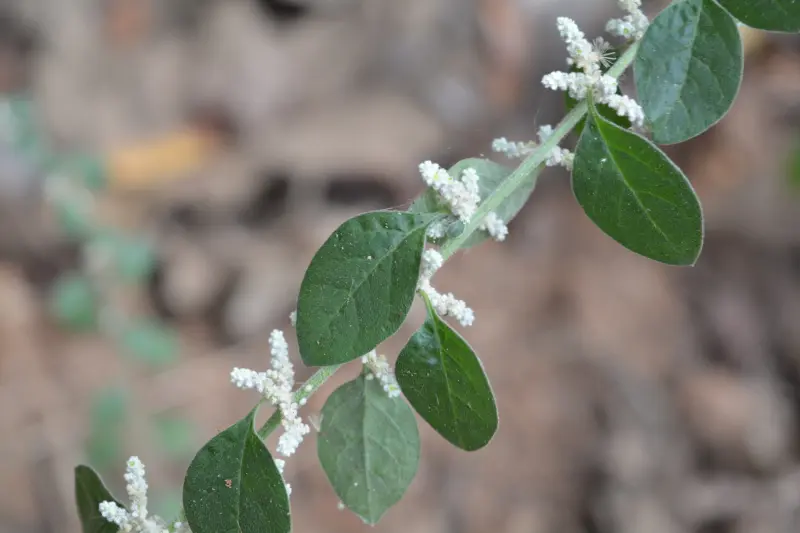
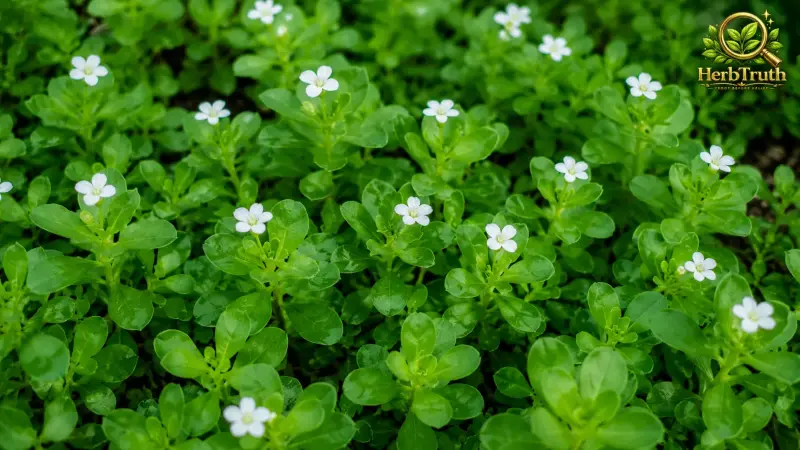
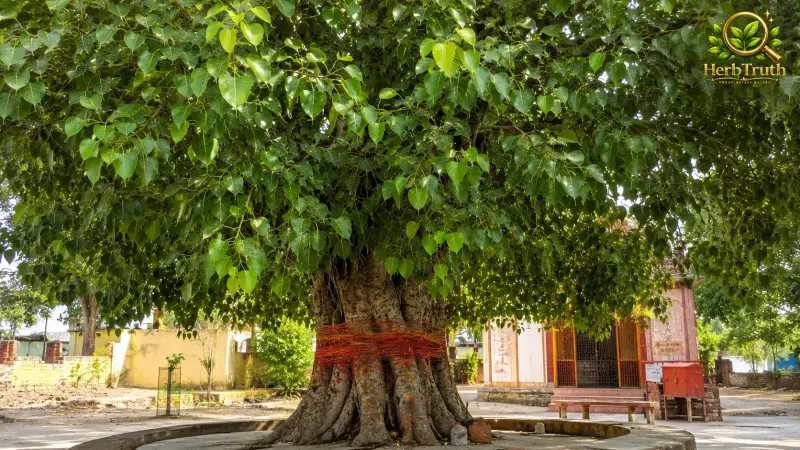
Other Certified Herbs for Antioxidant and Immune Support
Below are other medicinal plants scientifically verified for treating this ailment:
Fact Check
Scientific Truth: Scientifically proven, as the nutrients present in it are beneficial for hair health.
About the Author

Vikas Pal
Medicinal Plant Researcher & Health Content WriterVikas Pal is an independent Herbal Researcher and Health Content Writer with over one year of experience in researching medicinal plants and evidence-based herbal medicine. He specializes in reviewing scientific literature, analyzing traditional herbal knowledge, and presenting accurate, easy-to-understand information based on trusted sources, including peer-reviewed journals, PubMed, WHO, and other reputable health organizations. His goal is to make reliable herbal knowledge accessible while helping readers understand the potential benefits, safety, traditional uses, and current scientific evidence of medicinal plants.