
Oral Health (Gingivitis, Plaque)
Below is the list of all medicinal plants scientifically proven to assist in the treatment of Oral Health (Gingivitis, Plaque). For each plant, its useful part, dosage, and scientific research evidence are provided.
Useful Herbs for Oral Health (Gingivitis, Plaque)
2 certified medicinal plants with scientific evidence scores (descending order):
Comparison Matrix of Certified Herbs
| Herb | Evidence Score | Part Used | Adjuvant & Dosage | Evidence Source | Health Benefit Mechanism |
|---|---|---|---|---|---|
|
Azadirachta indica
|
90% | टहनी, Leaf |
Dosage: Brush teeth with neem twig.
|
Clinical Trial Proven | Neem reduces plaque, gingivitis, and bad breath, improving overall oral hygiene. |
|
Aloe vera (L.) Burm.f.
|
70% | Leaf Gel |
Dosage: Rinse with aloe vera mouthwash, twice daily
|
Clinical Trial Proven | Aloe vera reduces gum inflammation and bacterial plaque, improving overall oral health. |
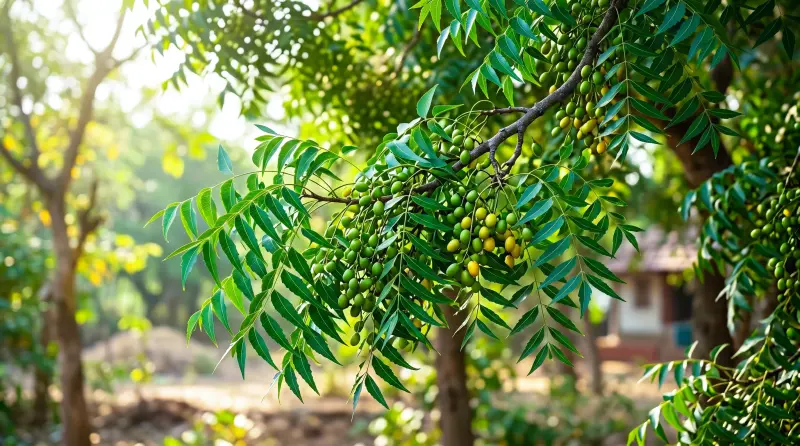
Indian Lilac, Margosa / नीम
Azadirachta indica • MeliaceaeNeem reduces plaque, gingivitis, and bad breath, improving overall oral hygiene.
Neem's antibacterial compounds, such as nimbidin, inhibit the growth of oral pathogens like Streptococcus mutans and Porphyromonas gingivalis, reducing biofilm formation and inflammation in the gums, thereby preventing periodontal diseases.
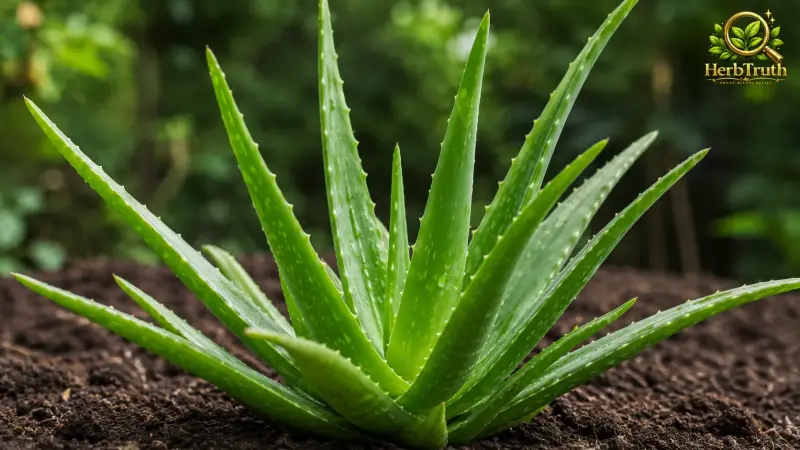
Aloe Vera / घृतकुमारी
Aloe vera (L.) Burm.f. • AsphodelaceaeAloe vera reduces gum inflammation and bacterial plaque, improving overall oral health.
Anti-inflammatory and antimicrobial properties of various compounds (saponins, anthraquinones) inhibit bacterial growth and reduce inflammatory mediators in the oral cavity.
Herb Comparison Matrix
Comparison of all verified herbs based on clinical evidence level and study publication counts:
| Herb Name | Scientific Name | Evidence Level | Total Studies | PubMed Counts |
|---|---|---|---|---|
| Indian Lilac, Margosa | Azadirachta indica | Strong Clinical | 30 | 20 studies |
| Aloe Vera | Aloe vera (L.) Burm.f. | Clinical | 13 | 10 studies |
Verified Fact-Checks
Truth: Certain components of Neem have shown anti-cancer properties in laboratory and animal studies, but further intensive research on humans is required for it to be an effective treatment. It should not be used as a substitute for conventional medical treatment.
Truth: Aloe vera may possess some anti-cancer properties as demonstrated in laboratory studies, but it is not a cure for cancer and there is insufficient reliable scientific evidence to prove its effectiveness in humans.
Related Questions & Answers
No related questions registered yet.