
Diabetes
Below is the list of all medicinal plants scientifically proven to assist in the treatment of Diabetes. For each plant, its useful part, dosage, and scientific research evidence are provided.
Useful Herbs for Diabetes
6 certified medicinal plants with scientific evidence scores (descending order):
Comparison Matrix of Certified Herbs
| Herb | Evidence Score | Part Used | Adjuvant & Dosage | Evidence Source | Health Benefit Mechanism |
|---|---|---|---|---|---|
|
Psidium guajava
|
90% | Leaf |
Dosage: Guava leaf extract or tea 1-2 times daily
|
Clinical Trial Proven | Guava leaves help regulate blood sugar levels and improve insulin sensitivity. |
|
Ficus religiosa
|
85% | Bark, Leaf |
Honey or Lukewarm water
Dosage: 3-6g bark powder twice daily
|
Clinical Trial Proven | Extracts from Pipal bark and leaves help in reducing blood sugar levels. |
|
Azadirachta indica
|
78% | Leaf, Bark |
Dosage: 5-10 ml neem leaf juice on empty stomach.
|
Clinical Trial Proven | Neem helps in regulating blood sugar levels and may improve insulin sensitivity. |
|
Aerva lanata
|
75% | Leaf |
Dosage: 3-5 grams of leaf powder once a day
|
Clinical Trial Proven | It may help in controlling blood sugar levels. |
|
Zingiber officinale
|
70% | प्रकंद |
Dosage: 2-3 grams ginger powder daily
|
Clinical Trial Proven | Ginger may help lower blood sugar levels, improve insulin sensitivity, and reduce diabetes-related complications. |
|
Bacopa monnieri
|
55% | Whole Plant |
Dosage: As per Ayurvedic practitioner's advice
|
Clinical Trial Proven | Preliminary research suggests Bacopa may help lower blood sugar levels and improve insulin sensitivity. |
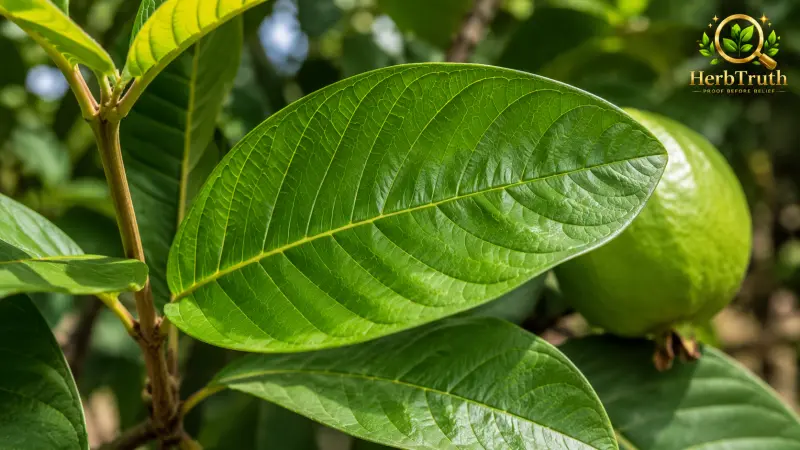
Psidium guajava
Psidium guajava • MyrtaceaeGuava leaves help regulate blood sugar levels and improve insulin sensitivity.
Inhibition of alpha-glucosidase enzyme and improvement in insulin signaling pathways contribute to its anti-diabetic effects.
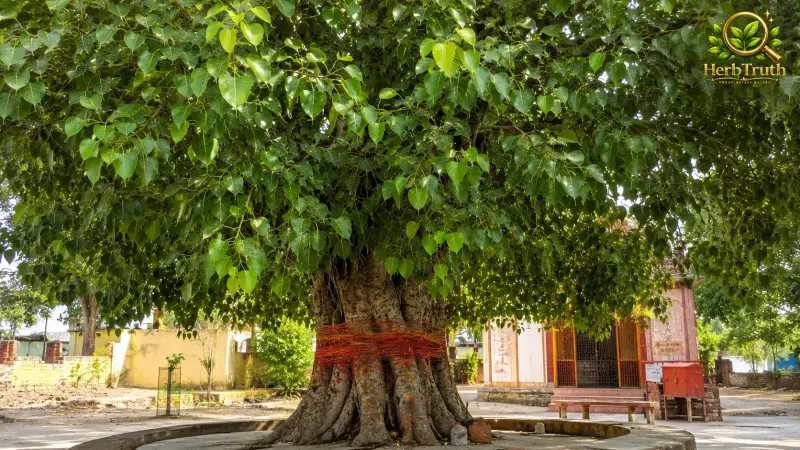
Sacred Fig, Bodhi Tree / पीपल
Ficus religiosa • MoraceaeExtracts from Pipal bark and leaves help in reducing blood sugar levels.
Modulates carbohydrate metabolism, improves insulin sensitivity, and inhibits alpha-glucosidase activity.
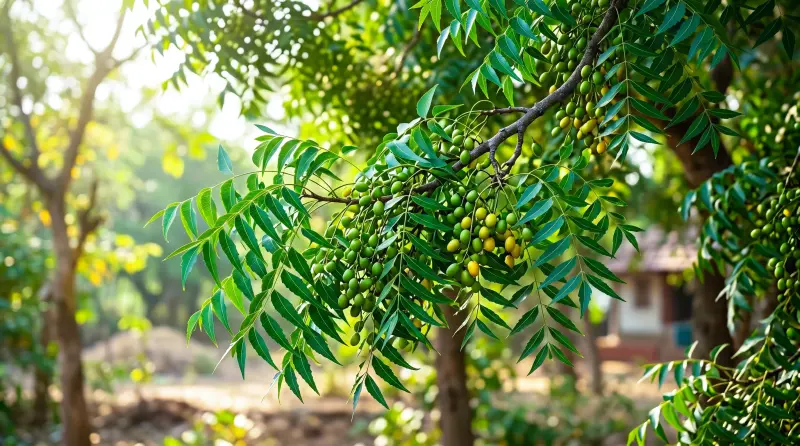
Indian Lilac, Margosa / नीम
Azadirachta indica • MeliaceaeNeem helps in regulating blood sugar levels and may improve insulin sensitivity.
Neem extracts have been shown to improve insulin sensitivity, reduce glucose absorption from the intestine, and enhance pancreatic beta-cell function, leading to a decrease in blood glucose levels.
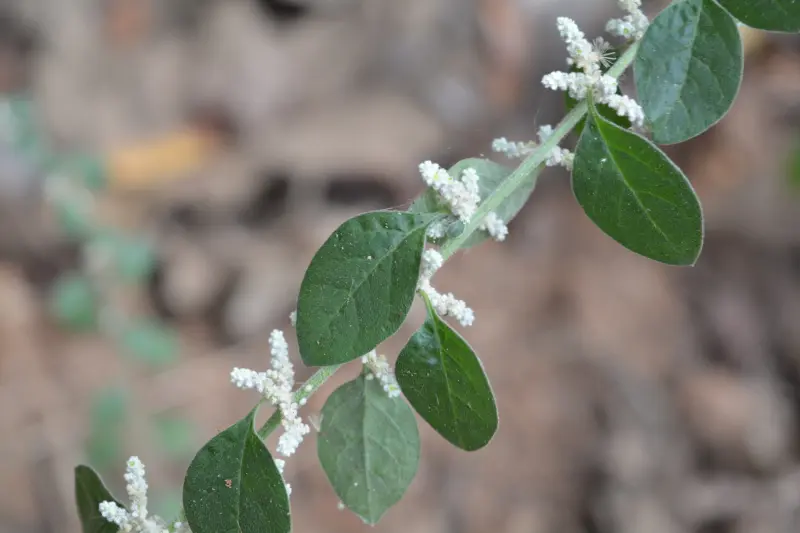
Woolly aerva, Polpala / गोरखबूटी, गोरखगांजा
Aerva lanata • AmaranthaceaeIt may help in controlling blood sugar levels.
Compounds like flavonoids may improve insulin sensitivity and reduce glucose absorption, contributing to hypoglycemic effects.
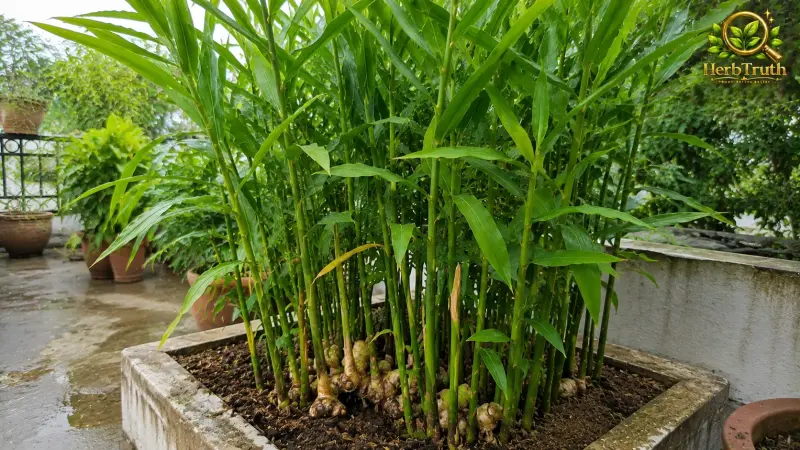
Ginger / अदरक (Adrak)
Zingiber officinale • ZingiberaceaeGinger may help lower blood sugar levels, improve insulin sensitivity, and reduce diabetes-related complications.
Gingerols may increase glucose uptake in muscle cells independent of insulin, inhibit carbohydrate-digesting enzymes, and improve pancreatic beta-cell function, leading to better glucose homeostasis.
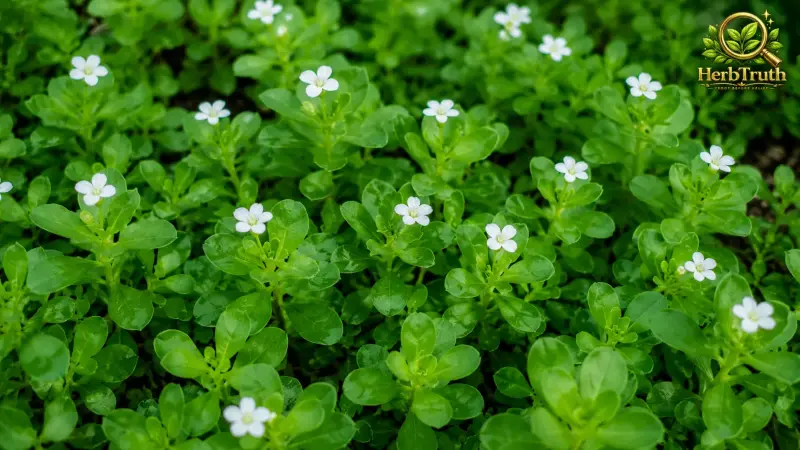
Brahmi, Water Hyssop / ब्राह्मी
Bacopa monnieri • PlantaginaceaePreliminary research suggests Bacopa may help lower blood sugar levels and improve insulin sensitivity.
Animal studies indicate that Bacopa monnieri may reduce blood glucose levels by enhancing insulin secretion, improving insulin sensitivity, and protecting pancreatic beta cells from oxidative damage.
Herb Comparison Matrix
Comparison of all verified herbs based on clinical evidence level and study publication counts:
| Herb Name | Scientific Name | Evidence Level | Total Studies | PubMed Counts |
|---|---|---|---|---|
| Psidium guajava | Psidium guajava | Strong Clinical | 6 | 5 studies |
| Sacred Fig, Bodhi Tree | Ficus religiosa | Strong Clinical | 2 | 0 studies |
| Indian Lilac, Margosa | Azadirachta indica | Clinical | 14 | 8 studies |
| Woolly aerva, Polpala | Aerva lanata | Clinical | 2 | 1 studies |
| Ginger | Zingiber officinale | Clinical | 15 | 10 studies |
| Brahmi, Water Hyssop | Bacopa monnieri | Clinical | 1 | 0 studies |
Verified Fact-Checks
Truth: Peepal may help regulate blood sugar levels, but it is not a complete cure for diabetes and should not be used as a substitute for regular prescribed medications.
Truth: Ginger contains compounds that can boost metabolism and suppress appetite, aiding in weight management. However, it is not a miracle weight loss remedy and should be accompanied by a balanced diet and exercise.
Truth: Multiple human studies have shown that Brahmi improves memory, learning capacity, and cognitive functions, particularly in children and adults.
Truth: Certain components of Neem have shown anti-cancer properties in laboratory and animal studies, but further intensive research on humans is required for it to be an effective treatment. It should not be used as a substitute for conventional medical treatment.
Truth: Aerva lanata possesses properties that help dissolve and expel stones, but claiming it 'immediately breaks' them is an exaggeration. It depends on the type and size of the stone.