
Anticancer
Below is the list of all medicinal plants scientifically proven to assist in the treatment of Anticancer. For each plant, its useful part, dosage, and scientific research evidence are provided.
Useful Herbs for Anticancer
2 certified medicinal plants with scientific evidence scores (descending order):
Comparison Matrix of Certified Herbs
| Herb | Evidence Score | Part Used | Adjuvant & Dosage | Evidence Source | Health Benefit Mechanism |
|---|---|---|---|---|---|
|
Ficus religiosa
|
65% | Leaf, Bark |
Honey or Lukewarm water
Dosage: As per expert advice
|
Clinical Trial Proven | Extracts from Pipal leaves and bark have shown the potential to inhibit the growth of certain types of cancer cells. |
|
Aerva lanata
|
60% | Whole Plant |
Dosage: More research needed, not recommended for general consumption
|
Clinical Trial Proven | Some preliminary studies suggest it may have the potential to inhibit the growth of cancer cells. |
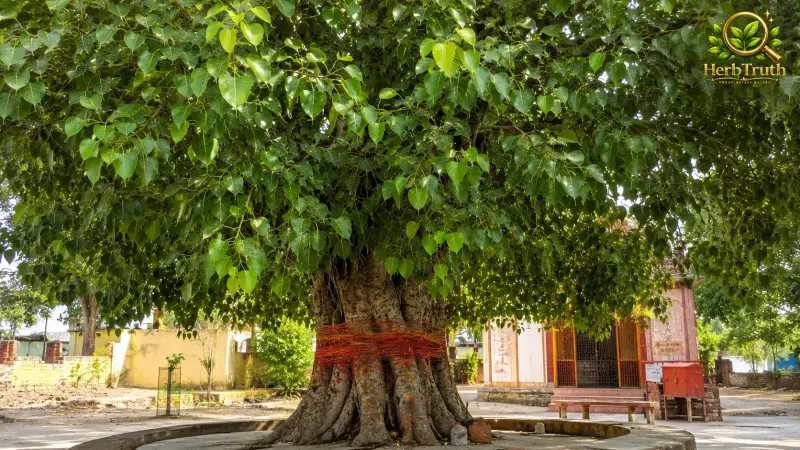
Sacred Fig, Bodhi Tree / पीपल
Ficus religiosa • MoraceaeExtracts from Pipal leaves and bark have shown the potential to inhibit the growth of certain types of cancer cells.
Induces apoptosis and inhibits proliferation in various cancer cell lines, potentially through reactive oxygen species-dependent mitochondrial pathways and modulation of cell cycle regulatory proteins.
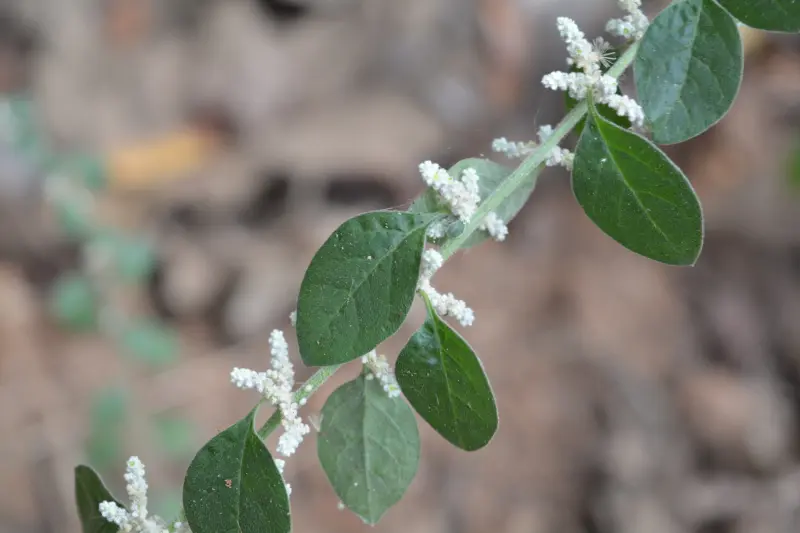
Woolly aerva, Polpala / गोरखबूटी, गोरखगांजा
Aerva lanata • AmaranthaceaeSome preliminary studies suggest it may have the potential to inhibit the growth of cancer cells.
Certain phytochemicals like flavonoids and triterpenoids have demonstrated cytotoxic effects on various cancer cell lines in vitro by inducing apoptosis and inhibiting proliferation.
Herb Comparison Matrix
Comparison of all verified herbs based on clinical evidence level and study publication counts:
| Herb Name | Scientific Name | Evidence Level | Total Studies | PubMed Counts |
|---|---|---|---|---|
| Sacred Fig, Bodhi Tree | Ficus religiosa | Clinical | 1 | 0 studies |
| Woolly aerva, Polpala | Aerva lanata | Clinical | 0 | 0 studies |
Verified Fact-Checks
Truth: Peepal may help regulate blood sugar levels, but it is not a complete cure for diabetes and should not be used as a substitute for regular prescribed medications.
Truth: Aerva lanata possesses properties that help dissolve and expel stones, but claiming it 'immediately breaks' them is an exaggeration. It depends on the type and size of the stone.
Related Questions & Answers
No related questions registered yet.