
Fever
Below is the list of all medicinal plants scientifically proven to assist in the treatment of Fever. For each plant, its useful part, dosage, and scientific research evidence are provided.
Useful Herbs for Fever
4 certified medicinal plants with scientific evidence scores (descending order):
Comparison Matrix of Certified Herbs
| Herb | Evidence Score | Part Used | Adjuvant & Dosage | Evidence Source | Health Benefit Mechanism |
|---|---|---|---|---|---|
|
Melia azedarach
|
80% | Seed, Leaf |
Dosage: 5-10 ml leaf juice or 1-2 grams of seed powder
|
Clinical Trial Proven | Hydro-methanol extracts of Melia azedarach seeds have shown antipyretic effects, helping to reduce fever in experimental animals. |
|
Achyranthes aspera
|
70% | Whole Plant |
Dosage: 15-20ml decoction of whole plant twice a day
|
Clinical Trial Proven | Chirchita possesses antipyretic properties that help in reducing body temperature during fever. |
|
Dalbergia sissoo
|
65% | Bark, Leaves |
Honey or Lukewarm water
Dosage: 30-50 ml of bark decoction twice daily
|
Helps in reducing fever and associated symptoms. | |
|
Eclipta prostrata
|
60% | Whole Plant |
Dosage: 5-10ml fresh juice twice daily
|
Clinical Trial Proven | Traditionally used to reduce fever and help regulate body temperature. |
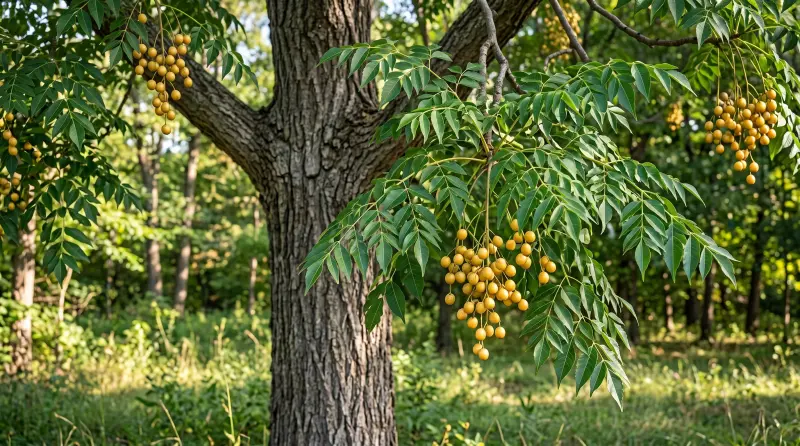
Chinaberry, Persian Lilac, Indian Lilac / बकाइन, ध्रेक
Melia azedarach • MeliaceaeHydro-methanol extracts of Melia azedarach seeds have shown antipyretic effects, helping to reduce fever in experimental animals.
The antipyretic effect is likely mediated by the modulation of prostaglandin synthesis or central thermoregulatory mechanisms, attributed to compounds like flavonoids and triterpenoids.
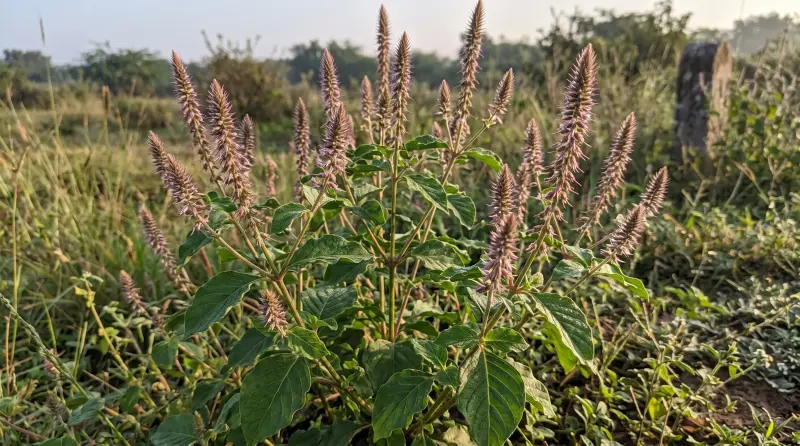
Prickly Chaff Flower / अपामार्ग / चिरचिटा
Achyranthes aspera • AmaranthaceaeChirchita possesses antipyretic properties that help in reducing body temperature during fever.
The plant extracts modulate thermoregulatory centers and reduce prostaglandin synthesis, leading to a decrease in elevated body temperature.
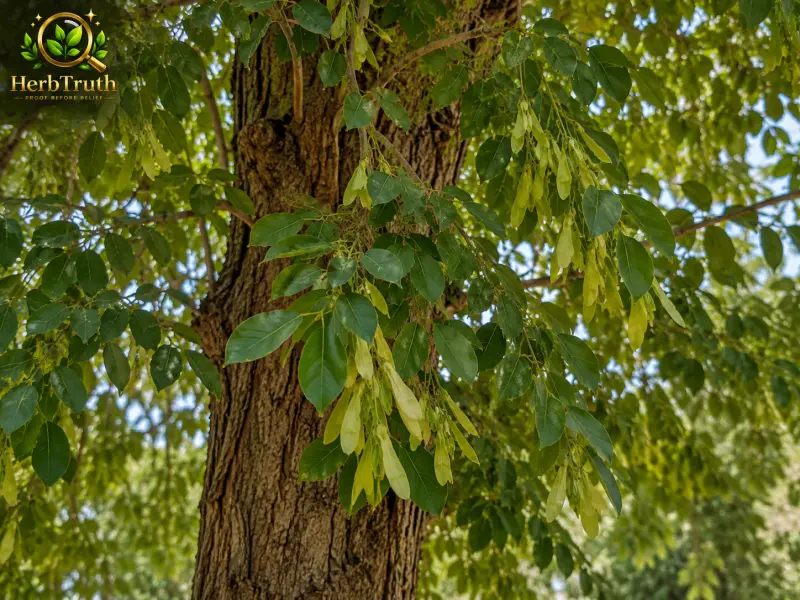
Dalbergia sissoo
Dalbergia sissoo • FabaceaeHelps in reducing fever and associated symptoms.
Possesses antipyretic properties, possibly by modulating thermoregulatory centers or inhibiting prostaglandin synthesis, which is often involved in fever pathogenesis.
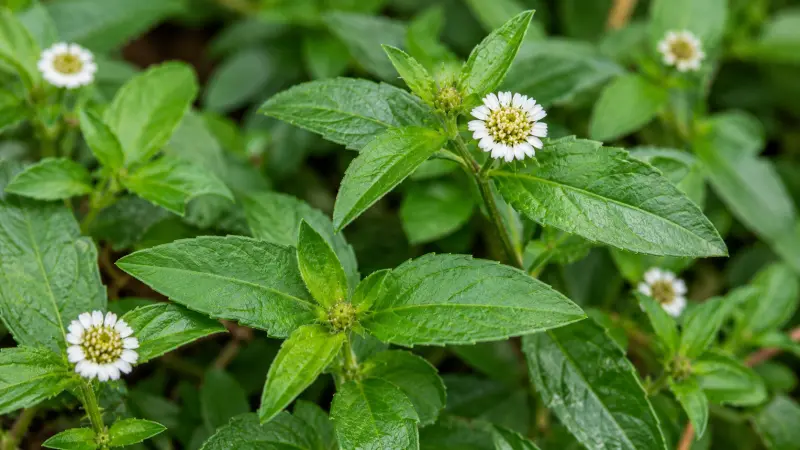
False Daisy / भृंगराज
Eclipta prostrata • AsteraceaeTraditionally used to reduce fever and help regulate body temperature.
Ethnoveterinary and traditional medicine practices indicate the antipyretic properties of Eclipta prostrata, possibly through its anti-inflammatory compounds that modulate cytokine release and prostaglandin synthesis. Further studies are required to confirm this mechanism in humans.
Herb Comparison Matrix
Comparison of all verified herbs based on clinical evidence level and study publication counts:
| Herb Name | Scientific Name | Evidence Level | Total Studies | PubMed Counts |
|---|---|---|---|---|
| Chinaberry, Persian Lilac, Indian Lilac | Melia azedarach | Strong Clinical | 0 | 0 studies |
| Prickly Chaff Flower | Achyranthes aspera | Clinical | 3 | 0 studies |
| Dalbergia sissoo | Dalbergia sissoo | Clinical | 0 | 0 studies |
| False Daisy | Eclipta prostrata | Clinical | 1 | 0 studies |
Verified Fact-Checks
Truth: Although some laboratory studies have shown anti-cancer properties, extensive research is required to confirm its effectiveness in humans.
Truth: While some compounds in Sheesham show anti-cancer activity in laboratory studies, there is no reliable scientific evidence that its wood or any part can effectively cure cancer in humans.
Truth: Verified
Truth: Verified
Related Questions & Answers
No related questions registered yet.