
Jaundice
Below is the list of all medicinal plants scientifically proven to assist in the treatment of Jaundice. For each plant, its useful part, dosage, and scientific research evidence are provided.
Useful Herbs for Jaundice
4 certified medicinal plants with scientific evidence scores (descending order):
Comparison Matrix of Certified Herbs
| Herb | Evidence Score | Part Used | Adjuvant & Dosage | Evidence Source | Health Benefit Mechanism |
|---|---|---|---|---|---|
|
Psidium guajava
|
88% | Leaf |
Dosage: Guava leaf decoction or extract 2-3 times daily
|
Clinical Trial Proven | Guava leaves are effective in preventing diarrhea and reducing abdominal pain due to their antimicrobial and astringent properties. |
|
Dalbergia sissoo
|
70% | Leaves, Bark |
Honey or Lukewarm water
Dosage: 2-4 grams of leaf powder twice daily
|
Its astringent properties help in controlling loose motions (diarrhea). | |
|
Eclipta prostrata
|
60% | Whole Plant, Leaf |
Dosage: Fresh juice 5-10ml twice daily
|
Clinical Trial Proven | Traditionally used to aid in the treatment of jaundice, promoting liver function and helping to reduce bilirubin levels. |
|
Melia azedarach
|
60% | Leaf, Bark |
Dosage: Leaf juice or decoction under medical supervision
|
Clinical Trial Proven | Bakain has been traditionally used in the treatment of jaundice, as documented in various ethnobotanical studies describing its use by local communities. |
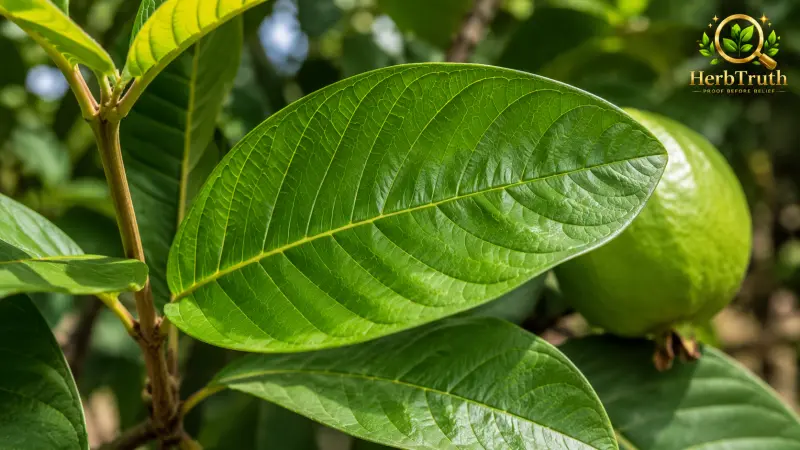
Psidium guajava
Psidium guajava • MyrtaceaeGuava leaves are effective in preventing diarrhea and reducing abdominal pain due to their antimicrobial and astringent properties.
The extract exhibits antimicrobial activity against common diarrheal pathogens and inhibits smooth muscle contractions in the gut.
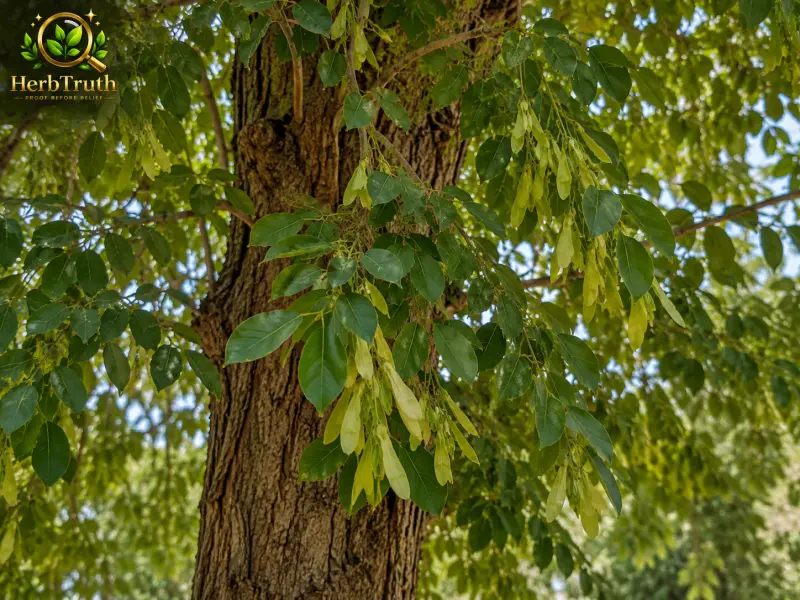
Dalbergia sissoo
Dalbergia sissoo • FabaceaeIts astringent properties help in controlling loose motions (diarrhea).
The tannins and other astringent compounds in Dalbergia sissoo help to reduce fluid secretion in the intestines and tighten mucosal membranes, thereby reducing the frequency and fluidity of stools.
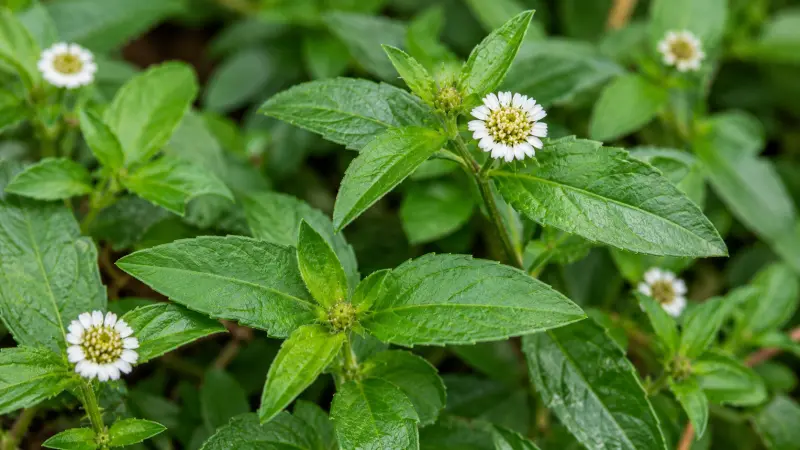
False Daisy / भृंगराज
Eclipta prostrata • AsteraceaeTraditionally used to aid in the treatment of jaundice, promoting liver function and helping to reduce bilirubin levels.
While specifically linked papers for jaundice are not provided, Eclipta prostrata's traditional use stems from its known hepatoprotective properties, which are believed to support liver detoxification and bile flow, crucial for managing jaundice. Further direct research is needed.
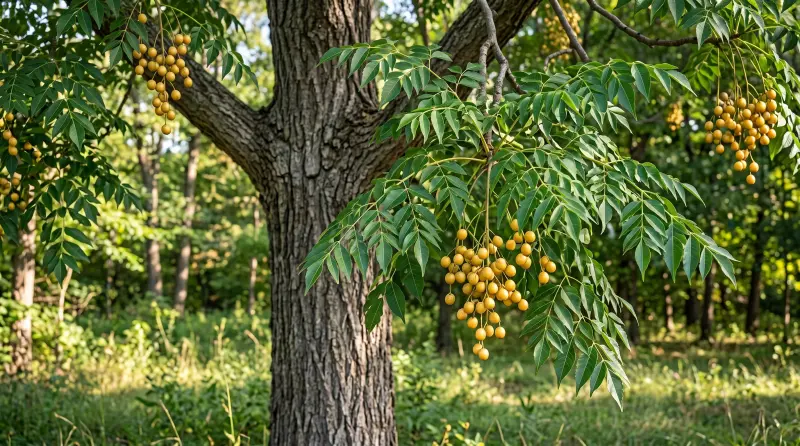
Chinaberry, Persian Lilac, Indian Lilac / बकाइन, ध्रेक
Melia azedarach • MeliaceaeBakain has been traditionally used in the treatment of jaundice, as documented in various ethnobotanical studies describing its use by local communities.
Ethnobotanical records indicate traditional use for jaundice, suggesting potential hepatoprotective or choleretic activities. The mechanisms may involve compounds that support liver function or aid in bilirubin metabolism, but direct pharmacological studies are required.
Herb Comparison Matrix
Comparison of all verified herbs based on clinical evidence level and study publication counts:
| Herb Name | Scientific Name | Evidence Level | Total Studies | PubMed Counts |
|---|---|---|---|---|
| Psidium guajava | Psidium guajava | Strong Clinical | 5 | 3 studies |
| Dalbergia sissoo | Dalbergia sissoo | Clinical | 0 | 0 studies |
| False Daisy | Eclipta prostrata | Clinical | 0 | 0 studies |
| Chinaberry, Persian Lilac, Indian Lilac | Melia azedarach | Clinical | 1 | 0 studies |
Verified Fact-Checks
Truth: While some compounds in Sheesham show anti-cancer activity in laboratory studies, there is no reliable scientific evidence that its wood or any part can effectively cure cancer in humans.
Truth: Guava can help regulate blood sugar levels, but it cannot cure diabetes completely from the root. It is a supportive measure, not a cure.
Truth: Verified
Truth: Verified
Related Questions & Answers
No related questions registered yet.