Dalbergia sissoo (Dalbergia sissoo): Benefits, Dosage, Side Effects & Research
Sheesham is a large deciduous tree renowned for its strong timber and medicinal properties. It is widely found in the Indian subcontinent and is often cultivated along roadsides or in fields.
Quick Facts & Key Highlights
Table of Contents
What is the Scientific Name of Dalbergia sissoo?
The botanical or scientific name of Dalbergia sissoo is commonly known as Dalbergia sissoo. This plant botanically belongs to the Fabaceae family. Its other local or common vernacular names include .
Ayurvedic Profile (Classical Ayurvedic Properties)
Ayurvedic characteristics according to classical text :
How to Identify the Original Dalbergia sissoo Plant & Seeds?
Plant Identification Guide
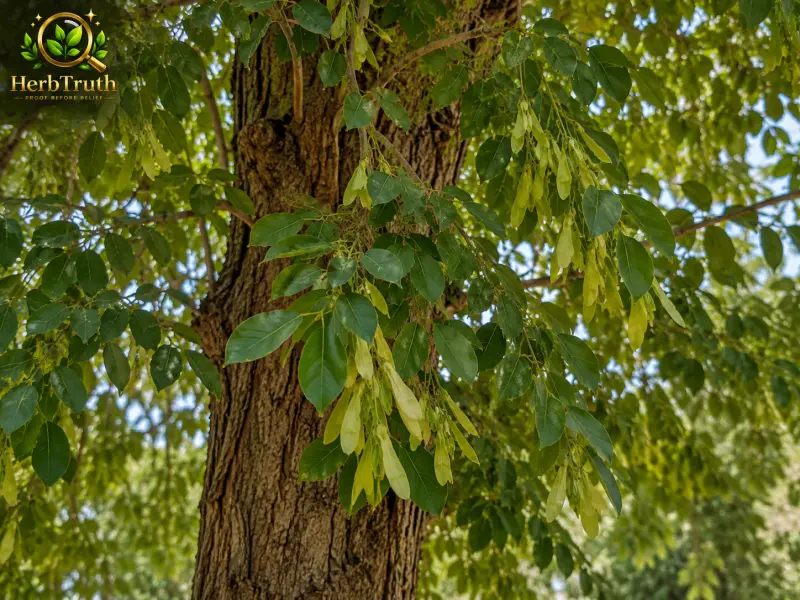
The Sheesham tree can reach a height of up to 25 meters, and its bark is light to dark brown, rough, and has long fissures. Its leaves are odd-pinnately compound, containing 3-5 oval or ovate leaflets that are deep green in color. The flowers are small, yellow-white, fragrant, and grow in clusters. The fruit is a flat, thin, brown pod containing 1-5 seeds.
Seeds & Sourcing Guide
Sheesham seeds are found inside flat, thin, brownish-yellow pods, containing 1 to 5 kidney-shaped seeds. These seeds can be directly obtained from mature pods that dry on the tree. New plants can be grown by direct sowing or by germinating in a nursery, typically before or during the monsoon.
Diseases Treated, Healing Action & Scientific Proofs
9 Verified ConditionsWhy Disease Occurs & Human Body Impact:
Liver disorders encompass a broad range of conditions resulting from various etiologies that compromise hepatic function. Primary causes include viral infections (e.g., Hepatitis B and C), chronic excessive alcohol consumption, non-alcoholic fatty liver disease (NAFLD) strongly linked to metabolic syndrome (obesity, type 2 diabetes), autoimmune diseases, genetic predispositions (e.g., hemochromatosis), drug-induced liver injury, and exposure to environmental toxins. These factors can instigate inflammation, oxidative stress, hepatocellular damage, and progressive fibrosis within the liver parenchyma. Given the liver's indispensable roles in metabolism, detoxification, and protein synthesis, its dysfunction leads to systemic harm. This includes impaired detoxification, causing accumulation of endogenous and exogenous toxins; reduced synthesis of vital proteins (e.g., albumin, clotting factors), manifesting as edema and coagulopathy; and dysregulation of nutrient metabolism. Clinical presentations vary from non-specific symptoms such as fatigue, nausea, and anorexia to severe signs like jaundice, dark urine, ascites, hepatic encephalopathy (brain dysfunction), and portal hypertension. Progression can lead to cirrhosis, liver failure, and hepatocellular carcinoma, significantly increasing morbidity and mortality.
How Plant Acts & Heals This Disease:
Reduces skin inflammation, purifies blood, and aids in the treatment of dermatological conditions like eczema.
Key Active Compounds in Herb targeting this Ailment
DalberginEstimated Time to See Results:
Dalbergia sissoo (Shisham) is traditionally recognized for its potential hepatoprotective effects, often attributed to its antioxidant and anti-inflammatory properties that may help mitigate oxidative stress and inflammation in liver cells. When used as a supportive botanical intervention, improvements in liver function or reduction of symptoms are typically gradual. Patients might expect to observe subtle symptomatic relief or stabilization of liver enzyme levels over a period of several weeks to a few months with consistent and appropriate use. It is crucial to understand that Dalbergia sissoo is considered a supportive agent, not a primary curative treatment for acute or severe liver diseases. Its efficacy is often enhanced when integrated into a comprehensive medical management plan that addresses the root cause of the liver disorder, includes lifestyle modifications, and is monitored by a healthcare professional. Full recovery from significant liver damage is a complex, long-term process that extends beyond herbal intervention alone and requires continuous medical oversight.
Recommended Dosage & Adjuvant:
5-10 grams of bark powder or decoction twice daily
Why Disease Occurs & Human Body Impact:
Inflammation is a fundamental immune response triggered by the body to protect against harmful stimuli such as pathogens (bacteria, viruses), damaged cells, or irritants (e.g., chemical exposure, allergens). Its primary purpose is to eliminate the initial cause of cell injury, clear out necrotic cells and tissues damaged from the original insult and the inflammatory process, and initiate tissue repair. Acute inflammation is typically a short-term, localized response to immediate injury or infection. Chronic inflammation, however, can result from persistent infections, prolonged exposure to toxic agents, autoimmune reactions where the immune system attacks healthy tissues (e.g., rheumatoid arthritis, lupus), or conditions like metabolic syndrome and certain cancers, leading to sustained immune activation and tissue damage. The immediate manifestations of acute inflammation include the cardinal signs: redness (rubor), heat (calor), swelling (tumor), pain (dolor), and often a loss of function (functio laesa) in the affected area. Systemically, it can lead to fever, chills, and malaise. Chronic inflammation, on the other hand, is a prolonged and often destructive process that can lead to significant tissue damage, fibrosis (scarring), and impaired organ function. Examples include joint destruction in rheumatoid arthritis, airway narrowing in asthma, and intestinal damage in inflammatory bowel disease. Persistent chronic inflammation is also implicated in the pathogenesis of numerous chronic diseases, including atherosclerosis, neurodegenerative disorders, certain cancers, and metabolic syndrome, contributing to widespread systemic effects like chronic fatigue, persistent pain, and reduced quality of life.
How Plant Acts & Heals This Disease:
Helps in reducing general bodily inflammation.
Key Active Compounds in Herb targeting this Ailment
DalberginEstimated Time to See Results:
Dalbergia sissoo, commonly known as Shisham, possesses documented anti-inflammatory properties attributed to its rich phytoconstituent profile, including various flavonoids, isoflavonoids, and tannins. These compounds are believed to modulate inflammatory pathways, potentially by inhibiting pro-inflammatory cytokines and enzymes. When utilized for inflammatory conditions, the onset of noticeable effects from herbal interventions like Dalbergia sissoo is generally slower and more gradual compared to conventional pharmaceutical agents. Patients might begin to observe a reduction in symptoms (e.g., pain, swelling, redness) or an improvement in overall discomfort within approximately **2 to 4 weeks** of consistent and appropriate use. However, significant impact or sustained support for recovery, particularly in chronic inflammatory states, could require several **months** of continuous administration. It is crucial to manage expectations, as the plant acts to support the body's natural healing processes and reduce inflammatory burden rather than providing an immediate 'cure.' The efficacy and speed of action can vary based on the specific inflammatory condition, its severity, individual patient response, the form of preparation (e.g., extract, powder, decoction), and the concurrent management of underlying causes. Consulting a qualified healthcare professional is essential for proper diagnosis and integrated treatment plans.
Recommended Dosage & Adjuvant:
10-20 ml of leaf juice twice daily
Why Disease Occurs & Human Body Impact:
Impaired wound healing, rather than wound healing itself being a disease, arises from a complex interplay of local and systemic factors that disrupt the normal physiological cascade of hemostasis, inflammation, proliferation, and remodeling. Common local impediments include infection, inadequate tissue perfusion (ischemia), excessive tension, foreign bodies, and repeated trauma. Systemically, conditions such as diabetes mellitus, malnutrition, advanced age, immunosuppression (e.g., due to corticosteroids), peripheral vascular disease, and certain chronic diseases significantly compromise the body's ability to repair tissue effectively. When wound healing is compromised, the primary harm manifests as chronic, non-healing wounds, such as diabetic ulcers, pressure ulcers, and venous leg ulcers. These can lead to persistent pain, reduced functional mobility, and a heightened risk of serious complications, including localized infections (cellulitis, osteomyelitis), systemic sepsis, and in severe cases, limb amputation. Prolonged wound presence also significantly impacts a patient's quality of life and imposes substantial healthcare burdens.
How Plant Acts & Heals This Disease:
Promotes faster healing of wounds and prevents infection.
Key Active Compounds in Herb targeting this Ailment
SissooquinoneEstimated Time to See Results:
Dalbergia sissoo is traditionally recognized for its supportive properties in wound healing, attributed to its anti-inflammatory, antimicrobial, and antioxidant constituents. When used as an adjuvant, its potential to reduce local inflammation and support tissue regeneration might become clinically discernible within approximately 1 to 2 weeks of consistent, appropriate application. Patients may observe a reduction in localized discomfort, decreased exudation, and improved wound bed appearance (e.g., increased granulation tissue). However, complete wound closure is a multifaceted process influenced by wound type, size, depth, and patient comorbidities. Dalbergia sissoo serves as a supportive agent, and its full impact on overall recovery duration should be assessed within the context of comprehensive, professionally supervised wound care. Definitive healing timelines will vary significantly per individual case.
Recommended Dosage & Adjuvant:
Apply leaf paste directly on the wound
Why Disease Occurs & Human Body Impact:
Jaundice, characterized by yellow discoloration of the skin, sclera, and mucous membranes, results from hyperbilirubinemia—an excessive accumulation of bilirubin in the blood. Bilirubin is a yellow pigment produced from the breakdown of red blood cells. Its accumulation typically indicates a disruption in one of three stages: pre-hepatic (excessive red blood cell destruction leading to increased bilirubin production, e.g., hemolytic anemia), hepatic (impaired liver function hindering bilirubin uptake, conjugation, or excretion, e.g., hepatitis, cirrhosis, drug-induced liver injury, genetic disorders), or post-hepatic (obstruction of bile flow from the liver to the intestine, preventing bilirubin excretion, e.g., gallstones, tumors, strictures). The primary manifestation of jaundice is visible yellowing (icterus), which can be accompanied by dark urine (due to conjugated bilirubin excretion), pale or clay-colored stools (due to lack of bilirubin in the intestines), and generalized pruritus (itching) from bile salt deposition in the skin. Depending on the underlying cause, patients may experience fatigue, nausea, vomiting, abdominal pain, fever, weight loss, or cognitive changes (hepatic encephalopathy in severe liver failure). Chronic or severe jaundice can lead to serious complications such as impaired blood clotting (coagulopathy), renal failure (hepatorenal syndrome), cholangitis (bile duct infection), and nutritional deficiencies due to malabsorption.
How Plant Acts & Heals This Disease:
Its astringent properties help in controlling loose motions (diarrhea).
Key Active Compounds in Herb targeting this Ailment
DalbergiphenolEstimated Time to See Results:
Dalbergia sissoo is traditionally employed in some ethnomedical systems, notably Ayurveda, for its purported hepatoprotective and anti-inflammatory properties, suggesting a supportive role in liver health and conditions like jaundice. It is critical to emphasize that Dalbergia sissoo is not a primary or rapid-acting treatment for acute or severe jaundice, which requires immediate and comprehensive medical management to address the underlying etiology. When utilized as an adjunct therapy for mild, chronic liver support or during the convalescent phase under medical supervision, any potential supportive effects—such as improvements in liver enzyme markers or amelioration of associated symptoms like pruritus—might become discernible over a period of several weeks to a few months of consistent administration. Its role is considered complementary to conventional treatment, aiding in cellular repair or reducing oxidative stress. Recovery from jaundice itself is dictated by the successful treatment of its root cause, not by the plant alone. Patient response is highly individual, and integration of such remedies should always be discussed with a healthcare professional.
Recommended Dosage & Adjuvant:
2-4 grams of leaf powder twice daily
Why Disease Occurs & Human Body Impact:
Skin diseases are a diverse group of conditions arising from various etiologies. Primary causes include: 1. Infectious agents: Bacteria (e.g., Staphylococcus, Streptococcus), fungi (e.g., dermatophytes, Candida), viruses (e.g., herpes simplex, varicella-zoster), and parasites (e.g., Sarcoptes scabiei). 2. Inflammatory and autoimmune processes: Allergic reactions (e.g., contact dermatitis, urticaria), autoimmune disorders (e.g., psoriasis, lupus erythematosus), and non-allergic inflammatory responses (e.g., eczema). 3. Genetic predispositions: Many conditions, such as atopic dermatitis, ichthyosis, and specific forms of psoriasis, have inherited components. 4. Environmental factors: Exposure to irritants, allergens, excessive ultraviolet (UV) radiation, extreme temperatures, and mechanical trauma. 5. Hormonal imbalances: Conditions like acne vulgaris are often influenced by androgen levels. 6. Systemic diseases: Skin manifestations can be indicators of underlying systemic illnesses (e.g., diabetes mellitus, liver dysfunction, nutritional deficiencies). Skin diseases can cause a wide array of physical harm, symptoms, and complications. These commonly include: 1. Visible lesions: Rashes, erythema (redness), papules, pustules, vesicles, bullae (blisters), plaques, scales, and ulcers. 2. Pruritus (itching): Often intense and debilitating, leading to scratching, excoriations, and potential secondary infections. 3. Pain and discomfort: Burning sensations, stinging, and localized pain, particularly with inflammatory or ulcerative lesions. 4. Impaired skin barrier function: Leading to increased transepidermal water loss, dryness, and heightened susceptibility to irritants and infections. 5. Secondary infections: Open lesions or compromised skin integrity can become colonized by bacteria, fungi, or viruses, exacerbating the condition. 6. Scarring and dyspigmentation: Chronic inflammation, deep lesions, or repeated trauma can result in permanent scarring, post-inflammatory hyperpigmentation, or hypopigmentation. 7. Psychological and social impact: Visible skin conditions can lead to significant emotional distress, anxiety, depression, social stigma, reduced quality of life, and impairment in daily activities.
How Plant Acts & Heals This Disease:
Alleviates various types of pain.
Key Active Compounds in Herb targeting this Ailment
Biochanin AEstimated Time to See Results:
Dalbergia sissoo (Shisham) is a medicinal plant traditionally recognized for its anti-inflammatory, antimicrobial, and wound-healing properties, often employed as a supportive botanical agent for skin conditions. It is important to note that its action is complementary and not a rapid pharmacological cure. For noticeable supportive effects, such as a reduction in mild inflammation, pruritus, or aid in wound healing, consistent application or ingestion of Dalbergia sissoo preparations (e.g., topical extracts, oils, poultices, or decoctions) would typically require a period ranging from **several weeks (e.g., 3-6 weeks) to a few months (e.g., 2-4 months)**. Patients should expect a gradual, incremental improvement in symptoms rather than an abrupt resolution. The actual 'recovery time' or time to observe significant supportive performance is highly variable, depending on the specific skin condition, its severity, individual patient response, adherence to the regimen, and whether it is used as a standalone or adjunct therapy. It is crucial for patients to understand that Dalbergia sissoo supports the body's natural healing processes but does not replace the need for professional medical diagnosis and primary treatment for severe or chronic skin diseases.
Recommended Dosage & Adjuvant:
Bark paste for external use
Why Disease Occurs & Human Body Impact:
Fever, or pyrexia, is a physiological response characterized by an elevation of the body's core temperature above the normal homeostatic range (typically >37.5-38°C oral). It is primarily mediated by the hypothalamic thermoregulatory center responding to pyrogens. Exogenous pyrogens, such as microbial components (e.g., lipopolysaccharide from bacteria), or endogenous pyrogens, like pro-inflammatory cytokines (e.g., IL-1β, IL-6, TNF-α) released by immune cells, trigger the production of prostaglandin E2 (PGE2) in the hypothalamus. PGE2 then resets the thermoregulatory set point to a higher level, leading to systemic mechanisms that increase heat production and decrease heat loss, resulting in a fever. Common underlying causes include infections (viral, bacterial, parasitic), inflammatory conditions (autoimmune diseases), tissue damage (trauma, myocardial infarction), malignancies, and adverse drug reactions. While fever is often a beneficial host defense mechanism, sustained or excessively high temperatures can lead to significant physiological stress and potential harm. The primary symptoms include elevated body temperature, chills, sweating, myalgia, arthralgia, headache, fatigue, and malaise. Complications can include dehydration due to increased insensible fluid loss, tachycardia, increased metabolic demand, and in severe cases, delirium or confusion (particularly in the elderly), and febrile seizures (especially in young children). Prolonged or extremely high fever can exacerbate underlying cardiovascular or respiratory conditions and, rarely, lead to direct tissue damage if the temperature exceeds critical thresholds.
How Plant Acts & Heals This Disease:
Helps in reducing fever and associated symptoms.
Key Active Compounds in Herb targeting this Ailment
DalberginEstimated Time to See Results:
Dalbergia sissoo, commonly known as Shisham or Indian Rosewood, has been traditionally utilized in various ethnomedicinal systems, including Ayurveda, for its purported antipyretic, anti-inflammatory, and analgesic properties. Phytochemical analyses reveal the presence of compounds such as flavonoids, isoflavones, and polyphenols, which may contribute to these effects through mechanisms such as inhibition of prostaglandin synthesis or modulation of inflammatory pathways. When used as a supportive phytotherapeutic agent for fever, its performance is generally considered to be gradual and complementary rather than a rapid-acting antipyretic. Patients might anticipate a reduction in fever and associated symptoms (e.g., body aches) starting within several hours to a day of consistent administration, though this can vary based on the individual's condition, the severity of the fever, and the underlying etiology. It is crucial to understand that Dalbergia sissoo supports recovery and symptom management; it does not replace the need for identifying and treating the root cause of the fever, nor does it substitute for conventional medical intervention, especially in cases of high, persistent, or undiagnosed fevers. Professional medical consultation remains paramount.
Recommended Dosage & Adjuvant:
30-50 ml of bark decoction twice daily
Why Disease Occurs & Human Body Impact:
Anemia is a condition characterized by a deficiency in red blood cells or hemoglobin, which are essential for transporting oxygen throughout the body. Its primary causes are multifactorial and include: iron deficiency (the most prevalent cause globally), vitamin B12 or folate deficiencies, chronic blood loss (e.g., gastrointestinal bleeding, heavy menstruation), chronic diseases (e.g., kidney disease, inflammatory bowel disease), genetic disorders (e.g., thalassemia, sickle cell anemia), and conditions affecting bone marrow production or red blood cell lifespan. The reduced oxygen-carrying capacity of the blood due to anemia leads to a range of debilitating symptoms and potential complications. Common manifestations include profound fatigue, generalized weakness, pallor of the skin and mucous membranes, shortness of breath, dizziness, headaches, cold extremities, and impaired cognitive function. Severe or chronic anemia can place significant strain on the cardiovascular system, potentially leading to tachycardia, arrhythmias, and, in advanced cases, congestive heart failure. It can also impair immune function, compromise fetal development during pregnancy, and impede growth in children.
How Plant Acts & Heals This Disease:
Helps in purifying blood by removing toxins from the body.
Key Active Compounds in Herb targeting this Ailment
DalbergiphenolEstimated Time to See Results:
It is imperative to understand that Dalbergia sissoo (commonly known as Shisham or Indian Rosewood) is not a scientifically validated or evidence-based treatment for anemia. Anemia is a complex medical condition requiring precise diagnosis and targeted conventional therapy, which may include iron supplementation, vitamin B12 injections, blood transfusions, or treatment of underlying causes, as determined by a healthcare professional. While Dalbergia sissoo has been explored in traditional medicine systems for various properties, including antioxidant effects, there is a lack of robust clinical trial data demonstrating its efficacy in directly increasing hemoglobin levels or reversing the pathology of different types of anemia. Therefore, no reliable timeframe for 'performance,' 'impact reduction,' or 'support of recovery' can be attributed to Dalbergia sissoo in the context of anemia treatment. Patients with anemia should seek immediate consultation with a qualified physician for accurate diagnosis and appropriate management. Any use of herbal remedies should be discussed with a healthcare provider to avoid potential interactions or delays in effective treatment.
Recommended Dosage & Adjuvant:
5-10 grams of bark powder twice daily
Why Disease Occurs & Human Body Impact:
Splenomegaly, or spleen enlargement, primarily occurs due to the spleen's involvement in various systemic processes, leading to its overactivity or congestion. Common causes include infections (e.g., mononucleosis, malaria, endocarditis), liver diseases (e.g., cirrhosis, portal hypertension), blood cancers (e.g., leukemia, lymphoma), hemolytic anemias (e.g., thalassemia, hereditary spherocytosis), myeloproliferative disorders (e.g., myelofibrosis), metabolic storage diseases (e.g., Gaucher's disease), and autoimmune conditions (e.g., systemic lupus erythematosus). The spleen enlarges as it filters abnormal blood cells, fights infection, or becomes engorged with blood due to impaired venous drainage. An enlarged spleen can cause physical harm and symptoms such as abdominal fullness or discomfort in the upper left abdomen, which may radiate to the left shoulder, particularly after eating. It can lead to hypersplenism, where the overactive spleen sequesters and destroys blood cells and platelets at an accelerated rate, resulting in anemia (fatigue, weakness), leukopenia (increased susceptibility to infections), and thrombocytopenia (increased risk of bleeding and bruising). In severe cases, significant enlargement can pose a risk of splenic rupture, a life-threatening complication requiring immediate medical intervention.
How Plant Acts & Heals This Disease:
Supports urinary tract health and helps with conditions like painful urination.
Key Active Compounds in Herb targeting this Ailment
DalberginEstimated Time to See Results:
While *Dalbergia sissoo* (Indian Rosewood) is recognized in traditional medicine for properties such as anti-inflammatory, analgesic, and hepato-protective effects, there is a distinct lack of robust, evidence-based clinical trials specifically demonstrating its efficacy in directly reducing spleen enlargement (splenomegaly) or definitively treating its diverse underlying causes in humans. Therefore, providing a scientifically supported timeline for 'performance' or 'recovery' attributable solely to *Dalbergia sissoo* for this complex condition is not feasible. Splenomegaly necessitates comprehensive medical diagnosis and management by a qualified physician to identify and address its primary etiology. Any use of *Dalbergia sissoo* would be considered complementary and purely supportive, not a curative or primary treatment for the splenomegaly itself. Perceived general well-being improvements or symptomatic relief from traditional use of herbal remedies typically manifest gradually over several weeks to months of consistent administration, but this should not be interpreted as direct resolution of spleen size or underlying pathology. Medical supervision is paramount to monitor the condition and ensure appropriate, evidence-based treatment.
Recommended Dosage & Adjuvant:
20-30 ml of leaf decoction once daily
Why Disease Occurs & Human Body Impact:
Dysentery is an acute intestinal infection characterized by inflammation of the large intestine. It is primarily caused by two main types of pathogens: bacteria, most commonly Shigella species (leading to bacillary dysentery or shigellosis), or amoebas, specifically Entamoeba histolytica (causing amoebic dysentery or amebiasis). Transmission occurs predominantly via the fecal-oral route, typically through the ingestion of food or water contaminated with infected feces. Poor sanitation, inadequate hygiene practices, and consumption of contaminated produce or water sources are primary risk factors. The disease causes significant damage to the intestinal lining, leading to severe gastrointestinal distress. Key symptoms include frequent and painful passage of stools, which often contain blood, mucus, or pus, indicative of colonic inflammation and ulceration. Abdominal cramps, tenesmus (painful, ineffective straining to defecate), fever, nausea, and vomiting are also common. Complications can be severe and life-threatening, particularly due to rapid dehydration and electrolyte imbalance, especially in vulnerable populations like children and the elderly. Other potential harms include malnutrition, post-infectious arthritis, hemolytic-uremic syndrome (in severe Shigella infections), and in the case of amoebic dysentery, extra-intestinal manifestations such as liver abscesses or lung involvement.
How Plant Acts & Heals This Disease:
Traditionally used in the management of vitiligo (leukoderma).
Key Active Compounds in Herb targeting this Ailment
CalycosinEstimated Time to See Results:
Clinical data on the specific efficacy and onset of action of *Dalbergia sissoo* for treating dysentery are limited and not sufficiently robust to define a precise recovery timeline or performance metrics. While traditional medicine attributes anti-inflammatory and antimicrobial properties to various parts of *Dalbergia sissoo*, its role in managing dysentery, an acute infection requiring targeted antimicrobial therapy, remains primarily supportive, if used at all. Conventional medical interventions (e.g., specific antibiotics for bacterial dysentery, amoebicides for amoebic dysentery, and aggressive rehydration therapy) are critical and evidence-based treatments, typically leading to symptom improvement within 3-7 days for bacterial dysentery and requiring specific regimens over 7-10 days for amoebic dysentery. Relying solely on *Dalbergia sissoo* is not recommended, as it lacks established therapeutic efficacy for dysentery and could delay essential, evidence-based medical treatment, potentially leading to severe complications. Any perceived impact would be gradual and adjunctive at best, without a validated curative effect on the underlying pathogen, and should never supersede conventional medical care.
Recommended Dosage & Adjuvant:
Bark paste for external use
Other Certified Herbs for Liver disorders
Below are other medicinal plants scientifically verified for treating this ailment:
Fact Check
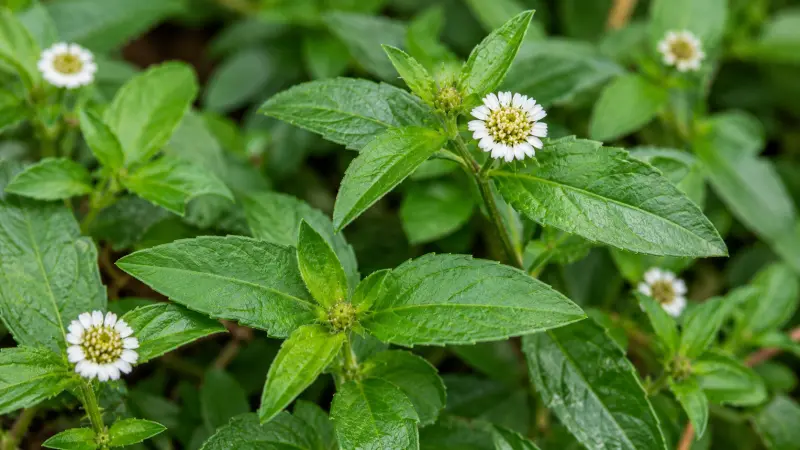
Scientific Truth: While some compounds in Sheesham show anti-cancer activity in laboratory studies, there is no reliable scientific evidence that its wood or any part can effectively cure cancer in humans.
Buy Verified Products Online

Oragnic Sheesham Bark (Dalbergia sissoo) Extract Powder
About the Author

Vikas Pal
Medicinal Plant Researcher & Health Content WriterVikas Pal is an independent Herbal Researcher and Health Content Writer with over one year of experience in researching medicinal plants and evidence-based herbal medicine. He specializes in reviewing scientific literature, analyzing traditional herbal knowledge, and presenting accurate, easy-to-understand information based on trusted sources, including peer-reviewed journals, PubMed, WHO, and other reputable health organizations. His goal is to make reliable herbal knowledge accessible while helping readers understand the potential benefits, safety, traditional uses, and current scientific evidence of medicinal plants.