Immune System Support
Below is the list of all medicinal plants scientifically proven to assist in the treatment of Immune System Support. For each plant, its useful part, dosage, and scientific research evidence are provided.
Useful Herbs for Immune System Support
5 certified medicinal plants with scientific evidence scores (descending order):
Comparison Matrix of Certified Herbs
| Herb | Evidence Score | Part Used | Adjuvant & Dosage | Evidence Source | Health Benefit Mechanism |
|---|---|---|---|---|---|
|
Psidium guajava
|
92% | Fruit |
Dosage: One guava fruit daily
|
Clinical Trial Proven | Guava is rich in Vitamin C, which strengthens the immune system by boosting the function of white blood cells. |
|
Tinospora cordifolia
|
90% | Leaf / Root |
Honey or Lukewarm water
Dosage: Consume 1-3 grams of powder or 10-20 ml of juice twice daily with warm water.
|
Clinical Trial Proven | It helps in strengthening the immune system, fighting infections, and promoting overall well-being. |
|
Azadirachta indica
|
70% | Leaf, Bark |
Dosage: 1-2 grams of neem leaf powder daily.
|
Clinical Trial Proven | Neem strengthens the immune system and enhances the body's ability to fight infections. |
|
Aerva lanata
|
70% | Whole Plant |
Dosage: 100-200mg extract of whole plant
|
Clinical Trial Proven | It may help strengthen the immune system and enhance the body's disease resistance. |
|
Aloe vera (L.) Burm.f.
|
60% | Leaf Gel / जूस |
Dosage: 30ml aloe vera juice once daily
|
Clinical Trial Proven | Aloe vera enhances the body's immune response and helps fight infections. |
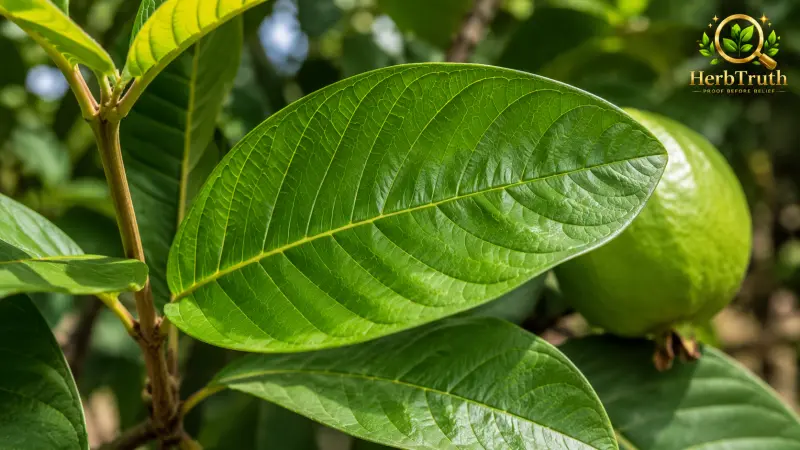
Psidium guajava
Psidium guajava • MyrtaceaeGuava is rich in Vitamin C, which strengthens the immune system by boosting the function of white blood cells.
Ascorbic acid enhances various immune cell functions, including phagocytosis and lymphocyte proliferation, and acts as a potent antioxidant protecting immune cells.
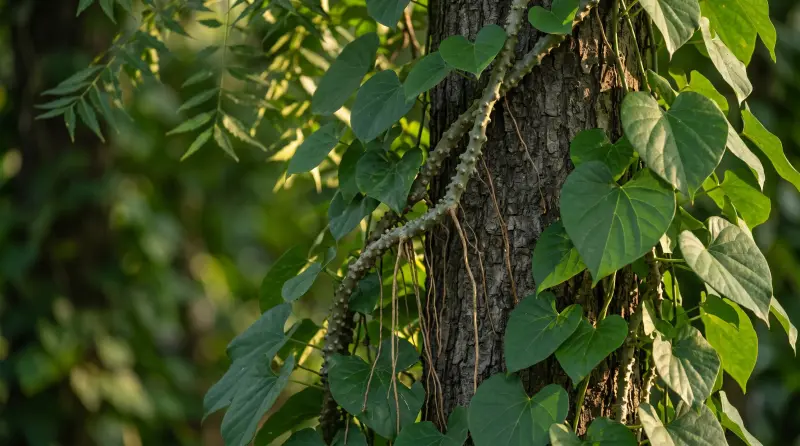
Guduchi, Indian Tinospora / गिलोय, गुडूची, अमृता
Tinospora cordifolia • MenispermaceaeIt helps in strengthening the immune system, fighting infections, and promoting overall well-being.
Tinospora cordifolia exhibits immunomodulatory effects by stimulating the activity of macrophages, natural killer cells, and T-lymphocytes, leading to enhanced cellular and humoral immunity. Its polysaccharides and triterpenoids are key contributors to this effect.
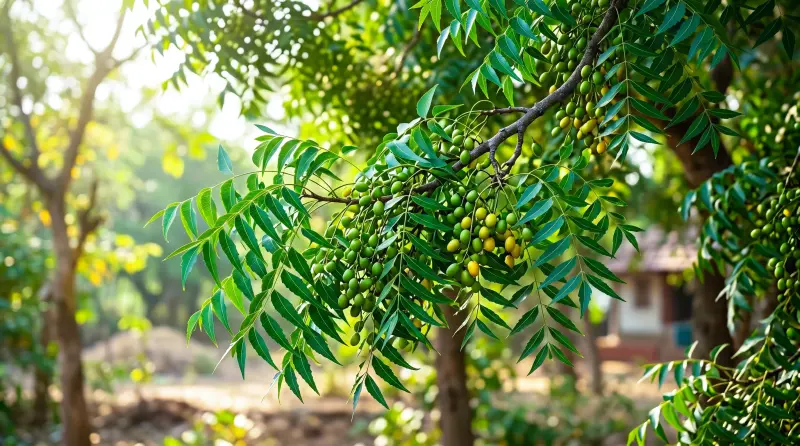
Indian Lilac, Margosa / नीम
Azadirachta indica • MeliaceaeNeem strengthens the immune system and enhances the body's ability to fight infections.
Neem extracts modulate both humoral and cell-mediated immune responses, increasing phagocytic activity, lymphocyte proliferation, and the production of specific antibodies, thereby strengthening the body's defense mechanisms against pathogens.
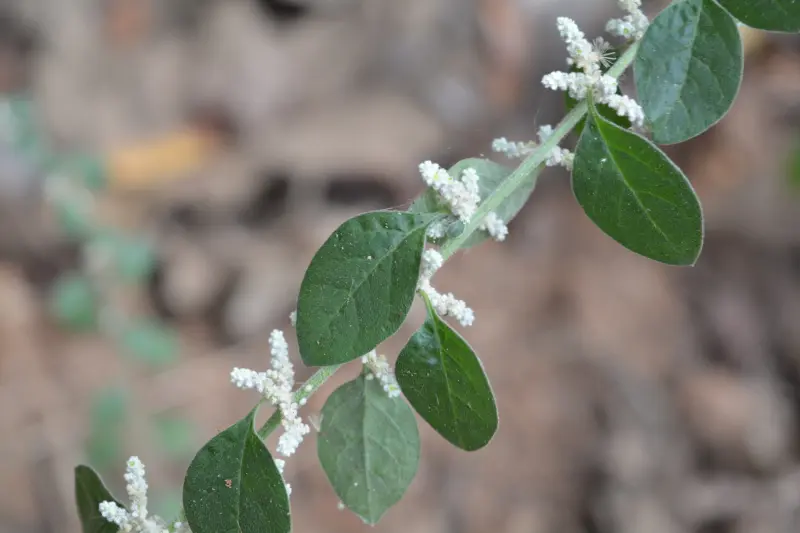
Woolly aerva, Polpala / गोरखबूटी, गोरखगांजा
Aerva lanata • AmaranthaceaeIt may help strengthen the immune system and enhance the body's disease resistance.
Polysaccharides and other compounds may stimulate immune cells, enhance antibody production, and modulate cytokine release, leading to improved immune response.
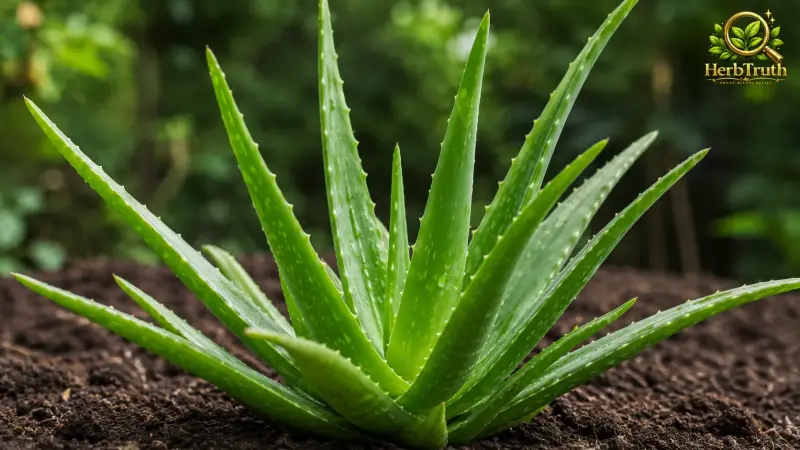
Aloe Vera / घृतकुमारी
Aloe vera (L.) Burm.f. • AsphodelaceaeAloe vera enhances the body's immune response and helps fight infections.
Acemannan stimulates macrophages and promotes the release of cytokines, enhancing overall immune surveillance and response.
Herb Comparison Matrix
Comparison of all verified herbs based on clinical evidence level and study publication counts:
| Herb Name | Scientific Name | Evidence Level | Total Studies | PubMed Counts |
|---|---|---|---|---|
| Psidium guajava | Psidium guajava | Strong Clinical | 18 | 8 studies |
| Guduchi, Indian Tinospora | Tinospora cordifolia | Strong Clinical | 22 | 15 studies |
| Indian Lilac, Margosa | Azadirachta indica | Clinical | 11 | 5 studies |
| Woolly aerva, Polpala | Aerva lanata | Clinical | 1 | 0 studies |
| Aloe Vera | Aloe vera (L.) Burm.f. | Clinical | 5 | 3 studies |
Verified Fact-Checks
Truth: Giloy may possess anti-viral properties that can help reduce dengue symptoms, but it is not a standalone cure for dengue.
Truth: Certain components of Neem have shown anti-cancer properties in laboratory and animal studies, but further intensive research on humans is required for it to be an effective treatment. It should not be used as a substitute for conventional medical treatment.
Truth: Aerva lanata possesses properties that help dissolve and expel stones, but claiming it 'immediately breaks' them is an exaggeration. It depends on the type and size of the stone.
Truth: Aloe vera may possess some anti-cancer properties as demonstrated in laboratory studies, but it is not a cure for cancer and there is insufficient reliable scientific evidence to prove its effectiveness in humans.
Truth: Guava can help regulate blood sugar levels, but it cannot cure diabetes completely from the root. It is a supportive measure, not a cure.
Related Questions & Answers
No related questions registered yet.