Wound Healing
Below is the list of all medicinal plants scientifically proven to assist in the treatment of Wound Healing. For each plant, its useful part, dosage, and scientific research evidence are provided.
Useful Herbs for Wound Healing
5 certified medicinal plants with scientific evidence scores (descending order):
Comparison Matrix of Certified Herbs
| Herb | Evidence Score | Part Used | Adjuvant & Dosage | Evidence Source | Health Benefit Mechanism |
|---|---|---|---|---|---|
|
Azadirachta indica
|
82% | Leaf, Bark, Oil |
Dosage: Apply neem leaf paste on wound.
|
Clinical Trial Proven | Neem helps in accelerating wound healing and preventing infections. |
|
Ficus religiosa
|
80% | Bark |
Honey or Lukewarm water
Dosage: Apply bark paste on the wound
|
Clinical Trial Proven | Pipal bark extract is helpful in wound healing and preventing infection. |
|
Achyranthes aspera
|
80% | Leaf |
Dosage: Apply leaf juice or paste directly on the wound
|
Clinical Trial Proven | Chirchita has wound healing properties that prevent infection and promote the formation of new skin. |
|
Dalbergia sissoo
|
75% | Leaves, Bark |
Honey or Lukewarm water
Dosage: Apply leaf paste directly on the wound
|
Promotes faster healing of wounds and prevents infection. | |
|
Aerva lanata
|
70% | Leaf |
Dosage: Leaf paste on the wound
|
Clinical Trial Proven | Traditionally used for healing wounds and cuts. |
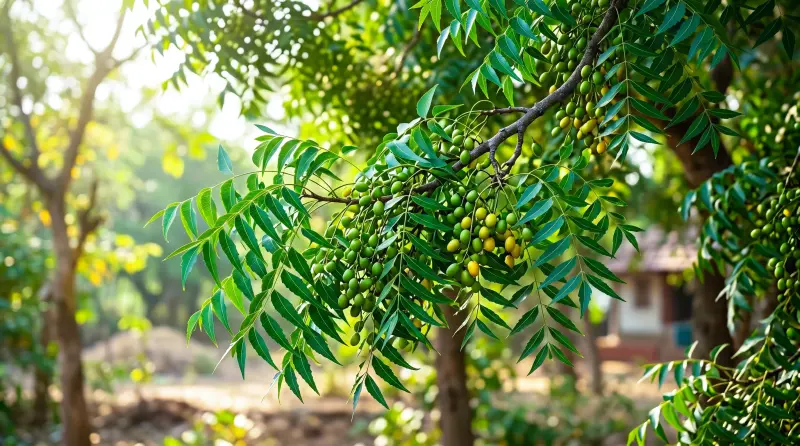
Indian Lilac, Margosa / नीम
Azadirachta indica • MeliaceaeNeem helps in accelerating wound healing and preventing infections.
Neem promotes collagen synthesis, enhances angiogenesis, increases tensile strength of tissues, and exhibits antimicrobial activity at the wound site, collectively accelerating the healing process and preventing secondary infections.
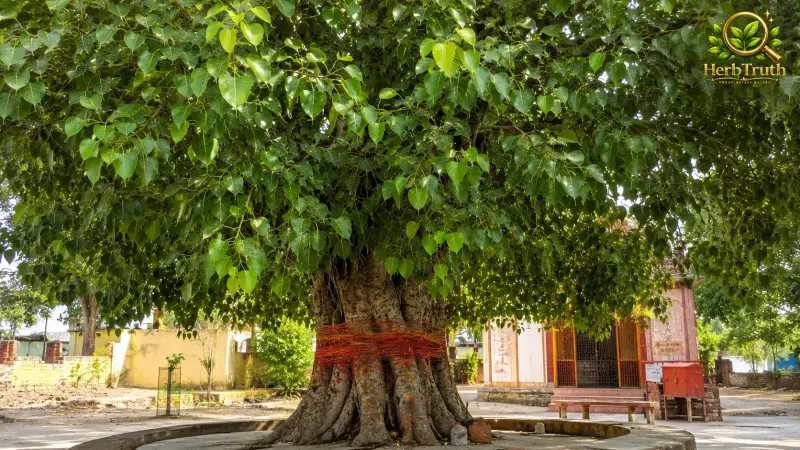
Sacred Fig, Bodhi Tree / पीपल
Ficus religiosa • MoraceaePipal bark extract is helpful in wound healing and preventing infection.
Promotes collagen synthesis, re-epithelialization, and exhibits antimicrobial activity due to its flavonoid and phenolic content.
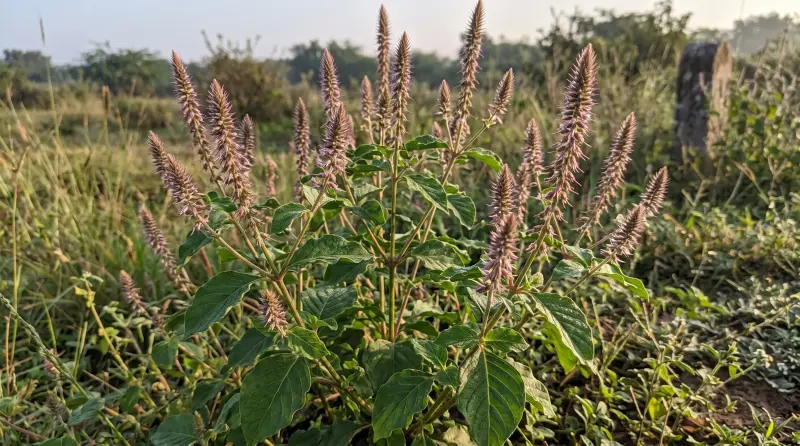
Prickly Chaff Flower / अपामार्ग / चिरचिटा
Achyranthes aspera • AmaranthaceaeChirchita has wound healing properties that prevent infection and promote the formation of new skin.
The plant extracts accelerate wound contraction, increase tensile strength, and promote collagen synthesis through their antimicrobial and pro-angiogenic activities, leading to faster healing.
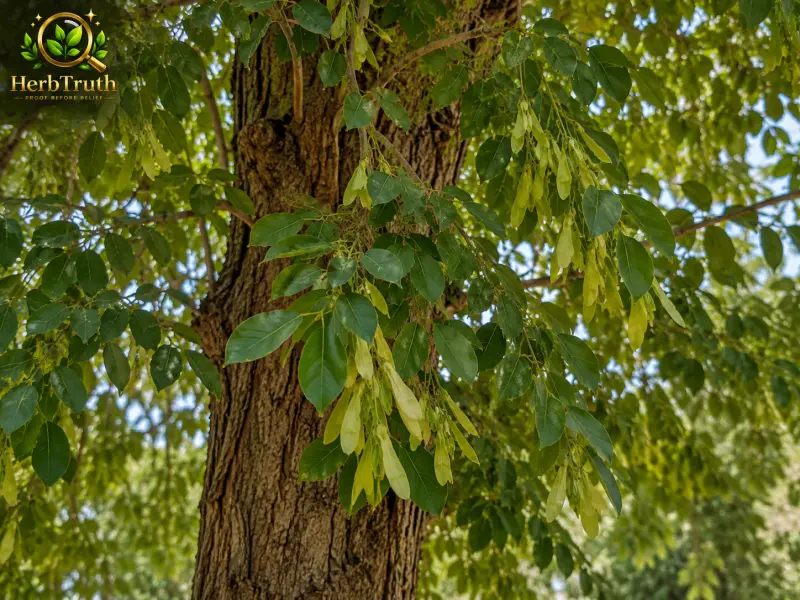
Dalbergia sissoo
Dalbergia sissoo • FabaceaePromotes faster healing of wounds and prevents infection.
Contains compounds that have antimicrobial properties to prevent infection and promote tissue regeneration by enhancing collagen synthesis and angiogenesis at the wound site.
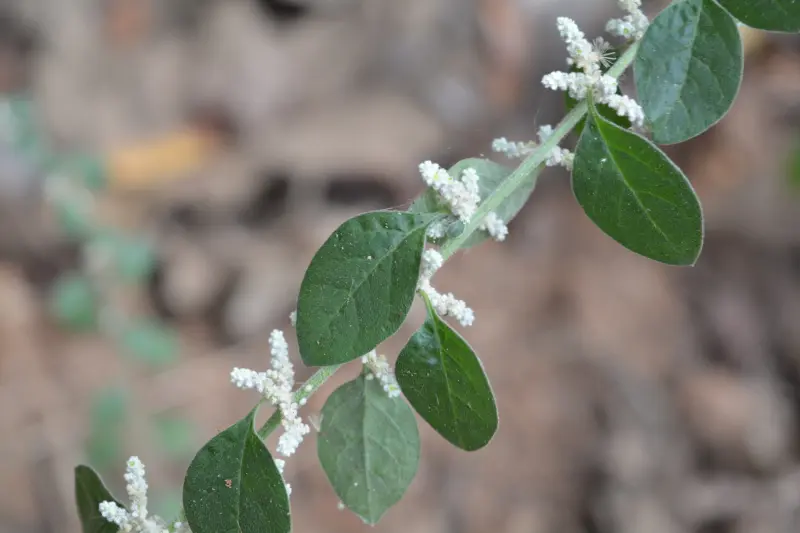
Woolly aerva, Polpala / गोरखबूटी, गोरखगांजा
Aerva lanata • AmaranthaceaeTraditionally used for healing wounds and cuts.
Flavonoids and triterpenoids contribute to faster wound contraction and increased epithelialization due to their anti-inflammatory and antimicrobial actions.
Herb Comparison Matrix
Comparison of all verified herbs based on clinical evidence level and study publication counts:
| Herb Name | Scientific Name | Evidence Level | Total Studies | PubMed Counts |
|---|---|---|---|---|
| Indian Lilac, Margosa | Azadirachta indica | Strong Clinical | 18 | 12 studies |
| Sacred Fig, Bodhi Tree | Ficus religiosa | Strong Clinical | 2 | 0 studies |
| Prickly Chaff Flower | Achyranthes aspera | Strong Clinical | 6 | 1 studies |
| Dalbergia sissoo | Dalbergia sissoo | Clinical | 0 | 0 studies |
| Woolly aerva, Polpala | Aerva lanata | Clinical | 1 | 0 studies |
Verified Fact-Checks
Truth: Peepal may help regulate blood sugar levels, but it is not a complete cure for diabetes and should not be used as a substitute for regular prescribed medications.
Truth: Certain components of Neem have shown anti-cancer properties in laboratory and animal studies, but further intensive research on humans is required for it to be an effective treatment. It should not be used as a substitute for conventional medical treatment.
Truth: Aerva lanata possesses properties that help dissolve and expel stones, but claiming it 'immediately breaks' them is an exaggeration. It depends on the type and size of the stone.
Truth: Although some laboratory studies have shown anti-cancer properties, extensive research is required to confirm its effectiveness in humans.
Truth: While some compounds in Sheesham show anti-cancer activity in laboratory studies, there is no reliable scientific evidence that its wood or any part can effectively cure cancer in humans.
Related Questions & Answers
No related questions registered yet.