Obesity
Below is the list of all medicinal plants scientifically proven to assist in the treatment of Obesity. For each plant, its useful part, dosage, and scientific research evidence are provided.
Useful Herbs for Obesity
1 certified medicinal plants with scientific evidence scores (descending order):
Comparison Matrix of Certified Herbs
| Herb | Evidence Score | Part Used | Adjuvant & Dosage | Evidence Source | Health Benefit Mechanism |
|---|---|---|---|---|---|
|
Achyranthes aspera
|
65% | Seed |
Dosage: 1-2g seed powder with honey in the morning
|
Clinical Trial Proven | Chirchita promotes metabolism and may help reduce fat accumulation, thereby aiding in weight management. |
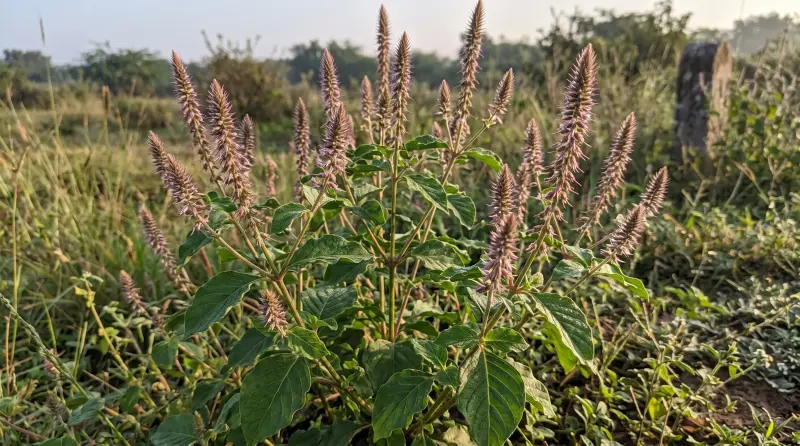
Prickly Chaff Flower / अपामार्ग / चिरचिटा
Achyranthes aspera • AmaranthaceaeChirchita promotes metabolism and may help reduce fat accumulation, thereby aiding in weight management.
The plant compounds may influence lipid metabolism and enhance thermogenesis, contributing to a reduction in body weight and fat mass.
Herb Comparison Matrix
Comparison of all verified herbs based on clinical evidence level and study publication counts:
| Herb Name | Scientific Name | Evidence Level | Total Studies | PubMed Counts |
|---|---|---|---|---|
| Prickly Chaff Flower | Achyranthes aspera | Clinical | 2 | 0 studies |
Verified Fact-Checks
Truth: Although some laboratory studies have shown anti-cancer properties, extensive research is required to confirm its effectiveness in humans.
Related Questions & Answers
No related questions registered yet.