
Malaria
Below is the list of all medicinal plants scientifically proven to assist in the treatment of Malaria. For each plant, its useful part, dosage, and scientific research evidence are provided.
Useful Herbs for Malaria
2 certified medicinal plants with scientific evidence scores (descending order):
Comparison Matrix of Certified Herbs
| Herb | Evidence Score | Part Used | Adjuvant & Dosage | Evidence Source | Health Benefit Mechanism |
|---|---|---|---|---|---|
|
Azadirachta indica
|
75% | Bark, Leaf |
Dosage: Decoction of neem bark.
|
Clinical Trial Proven | Neem helps in inhibiting the growth of malaria parasites and may reduce its transmission. |
|
Melia azedarach
|
75% | Seed |
Dosage: Not for direct consumption, used for mosquito control
|
Clinical Trial Proven | Green-synthesised nanoparticles from Melia azedarach seeds have been found effective in controlling malaria vector mosquitoes, which can help prevent the spread of malaria. |
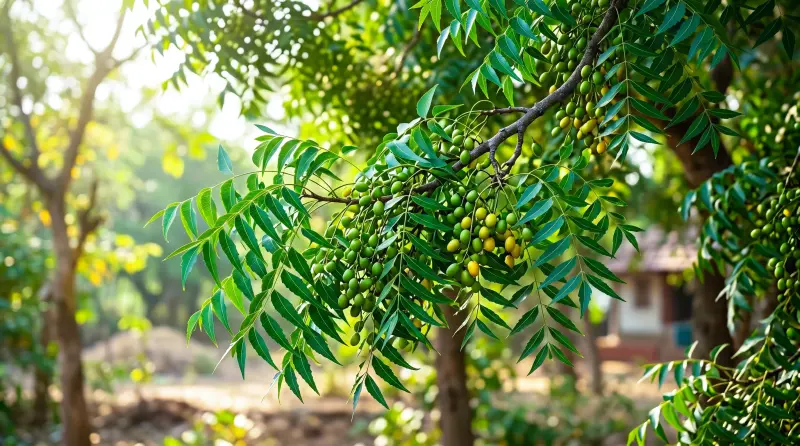
Indian Lilac, Margosa / नीम
Azadirachta indica • MeliaceaeNeem helps in inhibiting the growth of malaria parasites and may reduce its transmission.
Compounds like gedunin in neem have demonstrated inhibitory effects against various stages of the Plasmodium parasite life cycle, including both in vitro and in vivo models, making it a potential antimalarial agent.
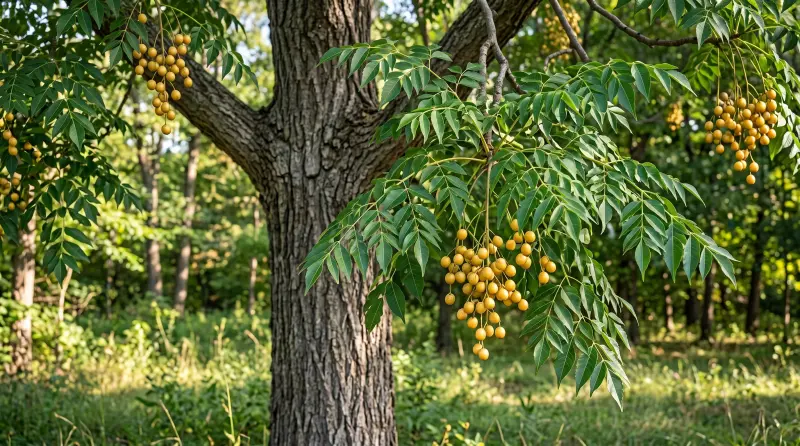
Chinaberry, Persian Lilac, Indian Lilac / बकाइन, ध्रेक
Melia azedarach • MeliaceaeGreen-synthesised nanoparticles from Melia azedarach seeds have been found effective in controlling malaria vector mosquitoes, which can help prevent the spread of malaria.
Melia azedarach derived nanoparticles demonstrate larvicidal activity against Anopheles stephensi, the malaria vector. This suggests a role in vector control by disrupting larval development or physiology, thereby reducing disease transmission.
Herb Comparison Matrix
Comparison of all verified herbs based on clinical evidence level and study publication counts:
| Herb Name | Scientific Name | Evidence Level | Total Studies | PubMed Counts |
|---|---|---|---|---|
| Indian Lilac, Margosa | Azadirachta indica | Clinical | 12 | 5 studies |
| Chinaberry, Persian Lilac, Indian Lilac | Melia azedarach | Clinical | 0 | 0 studies |
Verified Fact-Checks
Truth: Certain components of Neem have shown anti-cancer properties in laboratory and animal studies, but further intensive research on humans is required for it to be an effective treatment. It should not be used as a substitute for conventional medical treatment.
Truth: Verified
Related Questions & Answers
No related questions registered yet.