
Inflammation and Oxidative Stress
Below is the list of all medicinal plants scientifically proven to assist in the treatment of Inflammation and Oxidative Stress. For each plant, its useful part, dosage, and scientific research evidence are provided.
Useful Herbs for Inflammation and Oxidative Stress
1 certified medicinal plants with scientific evidence scores (descending order):
Comparison Matrix of Certified Herbs
| Herb | Evidence Score | Part Used | Adjuvant & Dosage | Evidence Source | Health Benefit Mechanism |
|---|---|---|---|---|---|
|
Curcuma longa
|
92% | Leaf / Root |
Honey or Lukewarm water
Dosage: Take 1-3 grams of turmeric powder once or twice daily with warm water or milk.
|
Clinical Trial Proven | Curcumin in turmeric exhibits powerful anti-inflammatory and antioxidant properties, helping to reduce inflammation and oxidative damage in the body. |
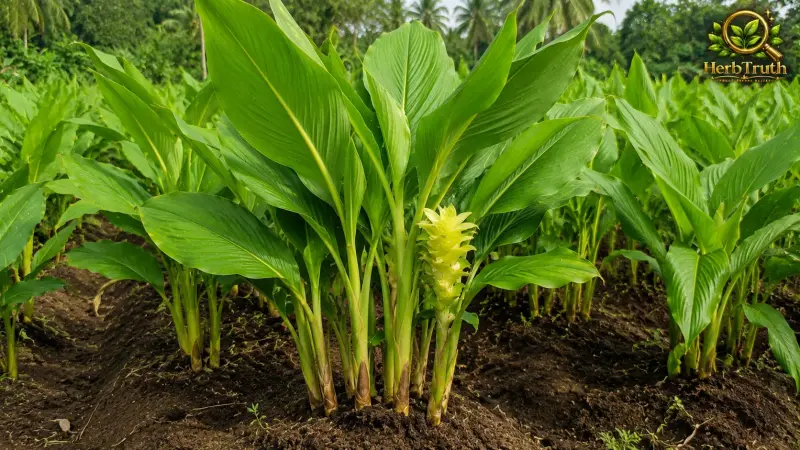
Turmeric / हल्दी
Curcuma longa • ZingiberaceaeCurcumin in turmeric exhibits powerful anti-inflammatory and antioxidant properties, helping to reduce inflammation and oxidative damage in the body.
Curcumin modulates multiple signaling pathways at the molecular level, including NF-κB, MAPK, and JAK/STAT pathways, leading to inhibition of pro-inflammatory cytokines (e.g., TNF-α, IL-6) and enzymes (e.g., COX-2, iNOS), and enhances endogenous antioxidant defenses.
Herb Comparison Matrix
Comparison of all verified herbs based on clinical evidence level and study publication counts:
| Herb Name | Scientific Name | Evidence Level | Total Studies | PubMed Counts |
|---|---|---|---|---|
| Turmeric | Curcuma longa | Strong Clinical | 257 | 155 studies |
Verified Fact-Checks
Truth: Curcumin has shown effects in inhibiting the growth of cancer cells in laboratory and animal studies, and preliminary human studies are promising, but it remains an active area of research and is not confirmed as a cure for cancer.
Related Questions & Answers
No related questions registered yet.