
Constipation
Below is the list of all medicinal plants scientifically proven to assist in the treatment of Constipation. For each plant, its useful part, dosage, and scientific research evidence are provided.
Useful Herbs for Constipation
1 certified medicinal plants with scientific evidence scores (descending order):
Comparison Matrix of Certified Herbs
| Herb | Evidence Score | Part Used | Adjuvant & Dosage | Evidence Source | Health Benefit Mechanism |
|---|---|---|---|---|---|
|
Aloe vera (L.) Burm.f.
|
85% | पत्ती का लेटेक्स (exudate) |
Dosage: 50-200mg dried leaf extract at night (low dose)
|
Clinical Trial Proven | Aloe vera acts as a natural laxative, promoting bowel movement. |
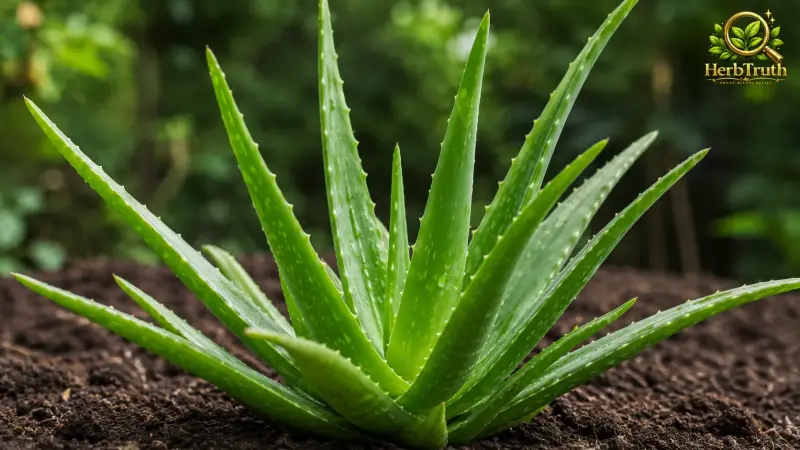
Aloe Vera / घृतकुमारी
Aloe vera (L.) Burm.f. • AsphodelaceaeAloe vera acts as a natural laxative, promoting bowel movement.
Anthraquinones, specifically aloin, stimulate colonic motility and water secretion, leading to a laxative effect.
Herb Comparison Matrix
Comparison of all verified herbs based on clinical evidence level and study publication counts:
| Herb Name | Scientific Name | Evidence Level | Total Studies | PubMed Counts |
|---|---|---|---|---|
| Aloe Vera | Aloe vera (L.) Burm.f. | Strong Clinical | 12 | 8 studies |
Verified Fact-Checks
Truth: Aloe vera may possess some anti-cancer properties as demonstrated in laboratory studies, but it is not a cure for cancer and there is insufficient reliable scientific evidence to prove its effectiveness in humans.
Related Questions & Answers
No related questions registered yet.