
Anti-inflammatory
Below is the list of all medicinal plants scientifically proven to assist in the treatment of Anti-inflammatory. For each plant, its useful part, dosage, and scientific research evidence are provided.
Useful Herbs for Anti-inflammatory
4 certified medicinal plants with scientific evidence scores (descending order):
Comparison Matrix of Certified Herbs
| Herb | Evidence Score | Part Used | Adjuvant & Dosage | Evidence Source | Health Benefit Mechanism |
|---|---|---|---|---|---|
|
Asparagus racemosus
|
89% | Root |
Dosage: 500 mg Shatavari powder twice a day
|
Clinical Trial Proven | Shatavari possesses potent anti-inflammatory properties that help reduce various types of inflammation in the body. |
|
Azadirachta indica
|
80% | Leaf, Bark, Oil |
Dosage: Massage with neem oil.
|
Clinical Trial Proven | Neem is effective in reducing inflammation and pain in various conditions. |
|
Ficus religiosa
|
78% | Bark |
Honey or Lukewarm water
Dosage: 20-30ml bark decoction once daily
|
Clinical Trial Proven | Pipal extracts possess anti-inflammatory properties that reduce inflammation in the body. |
|
Bacopa monnieri
|
75% | Leaf, Whole Plant |
Dosage: 10-20ml leaf juice daily
|
Clinical Trial Proven | Brahmi helps reduce inflammation by inhibiting pro-inflammatory enzymes and cytokines in the body. |
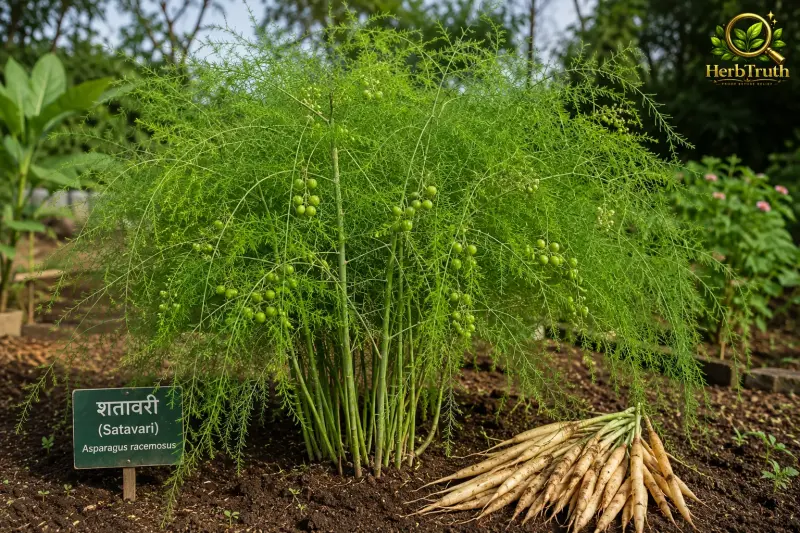
Shatavari, Wild Asparagus / शतावरी
Asparagus racemosus • AsparagaceaeShatavari possesses potent anti-inflammatory properties that help reduce various types of inflammation in the body.
Shatavari inhibits pro-inflammatory cytokines like TNF-α and IL-6, and modulates cyclooxygenase (COX) activity, thereby reducing inflammatory responses.
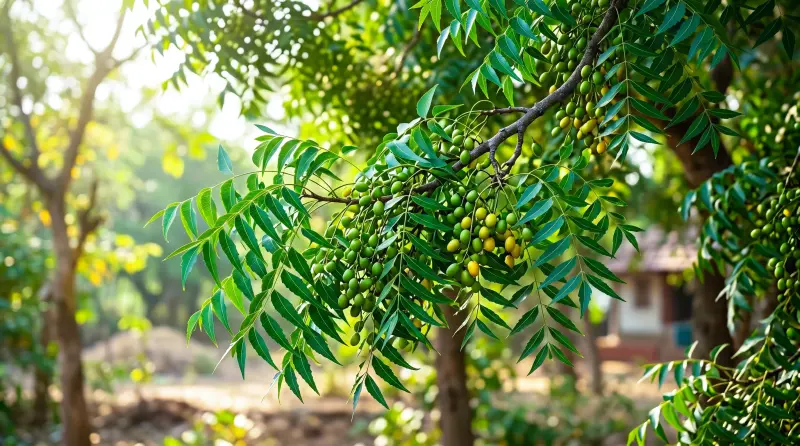
Indian Lilac, Margosa / नीम
Azadirachta indica • MeliaceaeNeem is effective in reducing inflammation and pain in various conditions.
Neem compounds, particularly nimbin, nimbidin, and quercetin, inhibit the production and release of pro-inflammatory mediators such as prostaglandins, leukotrienes, and cytokines, thereby attenuating inflammatory responses.
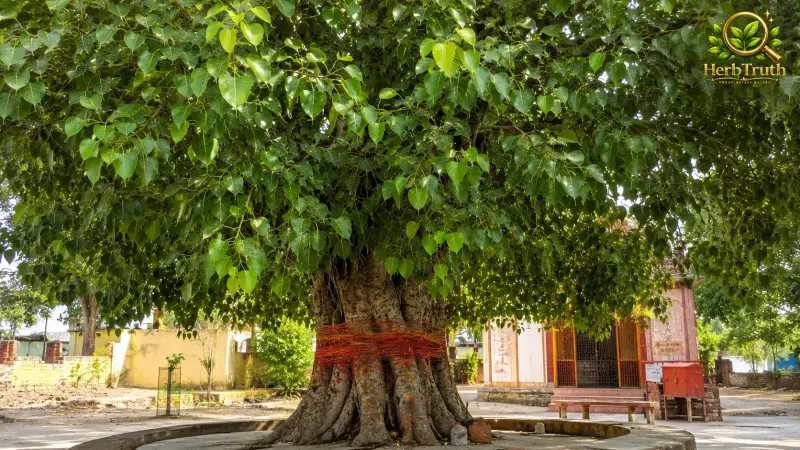
Sacred Fig, Bodhi Tree / पीपल
Ficus religiosa • MoraceaePipal extracts possess anti-inflammatory properties that reduce inflammation in the body.
Inhibits pro-inflammatory mediators and cytokines, and modulates COX-2 pathways through compounds like flavonoids and triterpenoids.
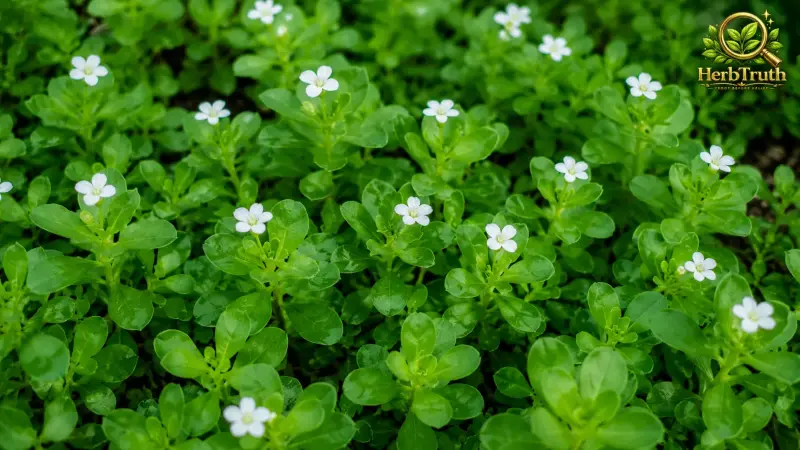
Brahmi, Water Hyssop / ब्राह्मी
Bacopa monnieri • PlantaginaceaeBrahmi helps reduce inflammation by inhibiting pro-inflammatory enzymes and cytokines in the body.
Bacopa monnieri compounds, particularly bacopasaponins, inhibit the release of pro-inflammatory cytokines (e.g., TNF-α, IL-6) and modulate the activity of COX-2 enzymes, thereby exerting anti-inflammatory effects.
Herb Comparison Matrix
Comparison of all verified herbs based on clinical evidence level and study publication counts:
| Herb Name | Scientific Name | Evidence Level | Total Studies | PubMed Counts |
|---|---|---|---|---|
| Shatavari, Wild Asparagus | Asparagus racemosus | Strong Clinical | 4 | 1 studies |
| Indian Lilac, Margosa | Azadirachta indica | Strong Clinical | 17 | 10 studies |
| Sacred Fig, Bodhi Tree | Ficus religiosa | Clinical | 1 | 0 studies |
| Brahmi, Water Hyssop | Bacopa monnieri | Clinical | 5 | 2 studies |
Verified Fact-Checks
Truth: Peepal may help regulate blood sugar levels, but it is not a complete cure for diabetes and should not be used as a substitute for regular prescribed medications.
Truth: Multiple human studies have shown that Brahmi improves memory, learning capacity, and cognitive functions, particularly in children and adults.
Truth: Certain components of Neem have shown anti-cancer properties in laboratory and animal studies, but further intensive research on humans is required for it to be an effective treatment. It should not be used as a substitute for conventional medical treatment.
Truth: Shatavari has nourishing properties and can provide nutrition to body tissues, helping in healthy weight gain, especially in weak or underweight individuals.
Related Questions & Answers
No related questions registered yet.