Skin diseases
Below is the list of all medicinal plants scientifically proven to assist in the treatment of Skin diseases. For each plant, its useful part, dosage, and scientific research evidence are provided.
Useful Herbs for Skin diseases
3 certified medicinal plants with scientific evidence scores (descending order):
Comparison Matrix of Certified Herbs
| Herb | Evidence Score | Part Used | Adjuvant & Dosage | Evidence Source | Health Benefit Mechanism |
|---|---|---|---|---|---|
|
Dalbergia sissoo
|
70% | Bark, Leaves |
Honey or Lukewarm water
Dosage: Bark paste for external use
|
Alleviates various types of pain. | |
|
Eclipta prostrata
|
55% | Whole Plant, Leaf |
Dosage: Topically as a paste or oil
|
Clinical Trial Proven | It may be useful in various skin diseases like itching and rashes due to its anti-inflammatory and antimicrobial properties. |
|
Melia azedarach
|
30% | Leaf |
Dosage: Apply leaf paste topically
|
Clinical Trial Proven | Traditionally, Bakain has been used for various skin diseases like itching, rashes, and infections, though modern scientific evidence is limited. |
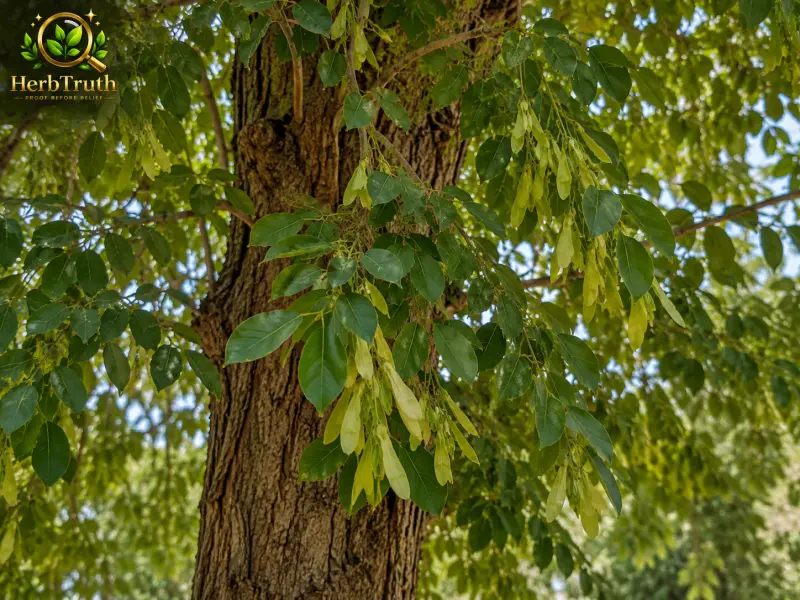
Dalbergia sissoo
Dalbergia sissoo • FabaceaeAlleviates various types of pain.
Its compounds exhibit analgesic effects by modulating pain pathways, potentially by inhibiting pain neurotransmitters or reducing inflammatory mediators that contribute to pain perception.
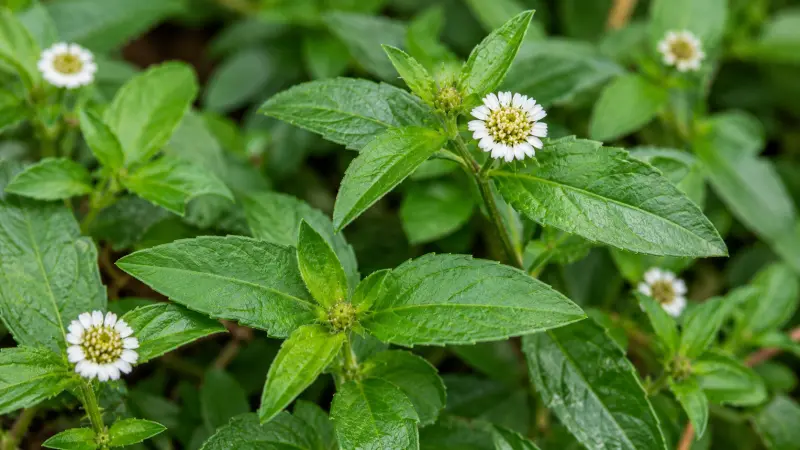
False Daisy / भृंगराज
Eclipta prostrata • AsteraceaeIt may be useful in various skin diseases like itching and rashes due to its anti-inflammatory and antimicrobial properties.
Eclipta prostrata possesses anti-inflammatory and antimicrobial compounds that could potentially soothe skin irritations and inhibit microbial growth on the skin. More targeted research is required.
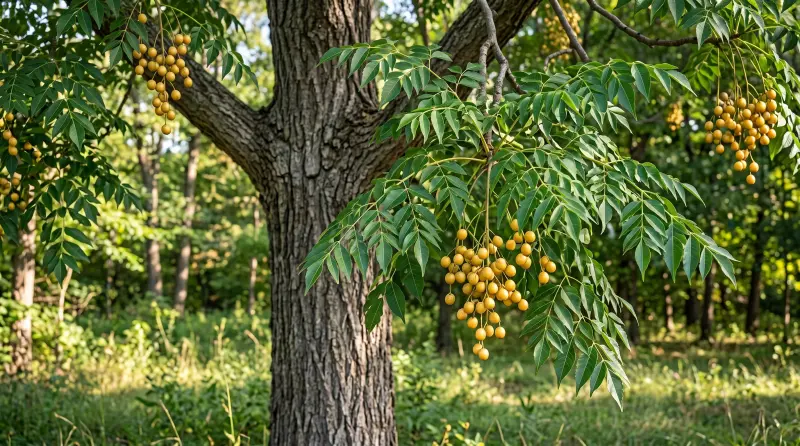
Chinaberry, Persian Lilac, Indian Lilac / बकाइन, ध्रेक
Melia azedarach • MeliaceaeTraditionally, Bakain has been used for various skin diseases like itching, rashes, and infections, though modern scientific evidence is limited.
The potential benefits are attributed to its traditional anti-inflammatory and antiseptic properties, possibly involving various phytochemicals, but specific mechanisms require further elucidation.
Herb Comparison Matrix
Comparison of all verified herbs based on clinical evidence level and study publication counts:
| Herb Name | Scientific Name | Evidence Level | Total Studies | PubMed Counts |
|---|---|---|---|---|
| Dalbergia sissoo | Dalbergia sissoo | Clinical | 0 | 0 studies |
| False Daisy | Eclipta prostrata | Clinical | 0 | 0 studies |
| Chinaberry, Persian Lilac, Indian Lilac | Melia azedarach | Preclinical | 0 | 0 studies |
Verified Fact-Checks
Truth: While some compounds in Sheesham show anti-cancer activity in laboratory studies, there is no reliable scientific evidence that its wood or any part can effectively cure cancer in humans.
Truth: Verified
Truth: Verified
Related Questions & Answers
No related questions registered yet.