
Inflammation
Below is the list of all medicinal plants scientifically proven to assist in the treatment of Inflammation. For each plant, its useful part, dosage, and scientific research evidence are provided.
Useful Herbs for Inflammation
4 certified medicinal plants with scientific evidence scores (descending order):
Comparison Matrix of Certified Herbs
| Herb | Evidence Score | Part Used | Adjuvant & Dosage | Evidence Source | Health Benefit Mechanism |
|---|---|---|---|---|---|
|
Aerva lanata
|
80% | Leaf |
Dosage: Leaf paste on external inflammation
|
Clinical Trial Proven | Its extracts possess anti-inflammatory properties that help reduce various types of inflammation. |
|
Withania somnifera
|
75% | Root |
Dosage: 3-5 grams of root powder daily
|
Clinical Trial Proven | Ashwagandha possesses potent anti-inflammatory properties that help reduce inflammation in the body. |
|
Dalbergia sissoo
|
75% | Leaves, Bark |
Honey or Lukewarm water
Dosage: 10-20 ml of leaf juice twice daily
|
Helps in reducing general bodily inflammation. | |
|
Melia azedarach
|
40% | Leaf |
Dosage: Decoction or paste of leaves
|
Clinical Trial Proven | Bakain is traditionally known for its anti-inflammatory properties, though direct scientific evidence for this specific claim is limited. |
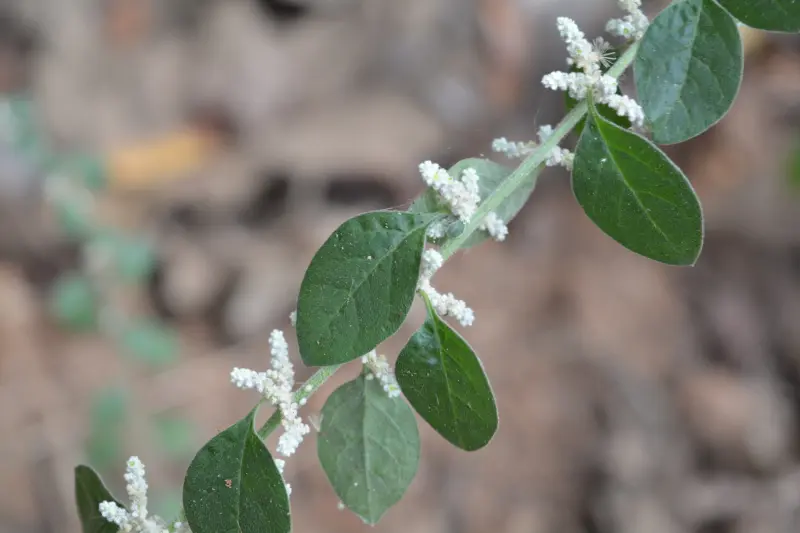
Woolly aerva, Polpala / गोरखबूटी, गोरखगांजा
Aerva lanata • AmaranthaceaeIts extracts possess anti-inflammatory properties that help reduce various types of inflammation.
Flavonoids and triterpenoids inhibit pro-inflammatory mediators like prostaglandins and leukotrienes, thereby reducing inflammatory responses.
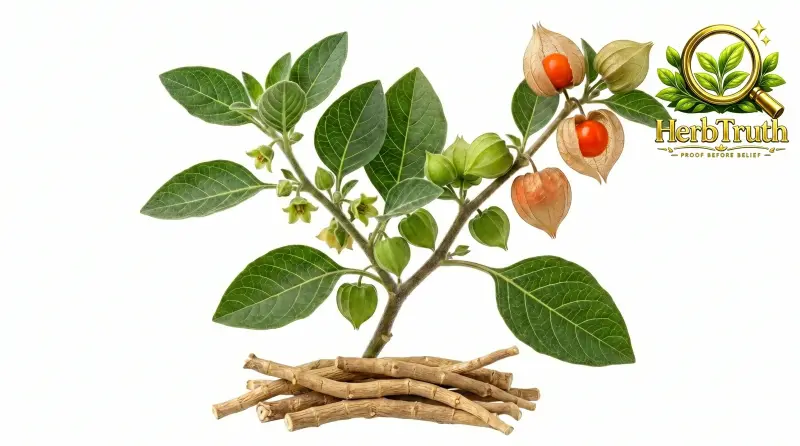
Indian Ginseng / अश्वगंधा
Withania somnifera • SolanaceaeAshwagandha possesses potent anti-inflammatory properties that help reduce inflammation in the body.
Inhibits the activity of pro-inflammatory cytokines (e.g., TNF-alpha, IL-6) and enzymes like COX-2, leading to a reduction in inflammatory markers and symptoms.
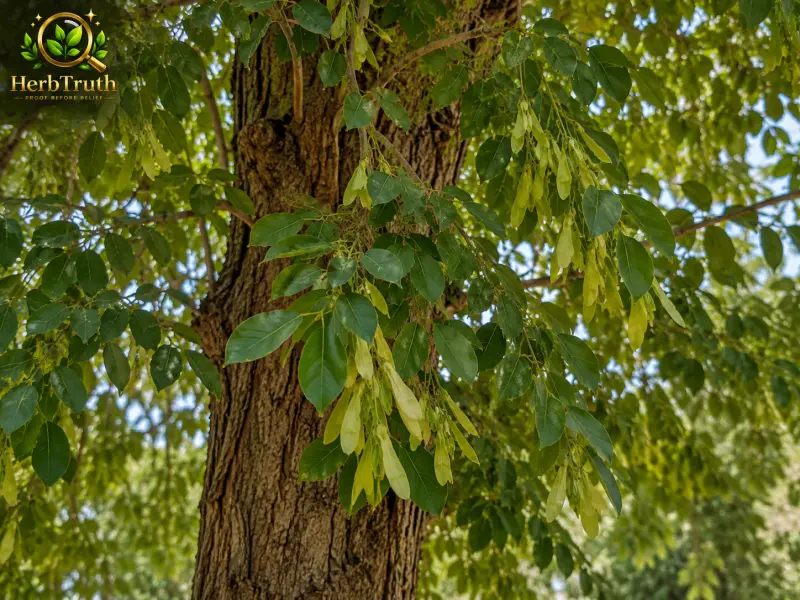
Dalbergia sissoo
Dalbergia sissoo • FabaceaeHelps in reducing general bodily inflammation.
Isoflavones like dalbergin and biochanin A inhibit pro-inflammatory mediators (e.g., prostaglandins, cytokines) and suppress the activity of inflammatory enzymes like COX-2.
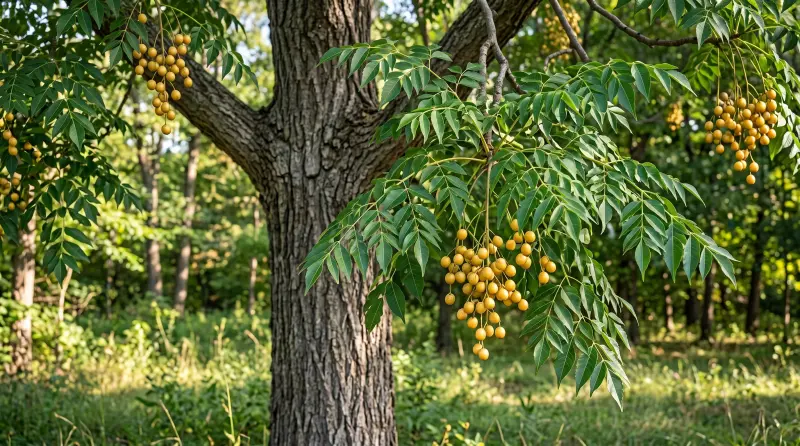
Chinaberry, Persian Lilac, Indian Lilac / बकाइन, ध्रेक
Melia azedarach • MeliaceaeBakain is traditionally known for its anti-inflammatory properties, though direct scientific evidence for this specific claim is limited.
Traditional use suggests anti-inflammatory activity, potentially involving the inhibition of inflammatory mediators, but the precise compounds and mechanisms for Melia azedarach require further direct research.
Herb Comparison Matrix
Comparison of all verified herbs based on clinical evidence level and study publication counts:
| Herb Name | Scientific Name | Evidence Level | Total Studies | PubMed Counts |
|---|---|---|---|---|
| Woolly aerva, Polpala | Aerva lanata | Strong Clinical | 4 | 2 studies |
| Indian Ginseng | Withania somnifera | Clinical | 9 | 5 studies |
| Dalbergia sissoo | Dalbergia sissoo | Clinical | 0 | 0 studies |
| Chinaberry, Persian Lilac, Indian Lilac | Melia azedarach | Preclinical | 0 | 0 studies |
Verified Fact-Checks
Truth: This is a myth. Ashwagandha has many health benefits, but it cannot cure all diseases.
Truth: Aerva lanata possesses properties that help dissolve and expel stones, but claiming it 'immediately breaks' them is an exaggeration. It depends on the type and size of the stone.
Truth: While some compounds in Sheesham show anti-cancer activity in laboratory studies, there is no reliable scientific evidence that its wood or any part can effectively cure cancer in humans.
Truth: Some studies suggest fenugreek may aid in weight management by reducing appetite and increasing feelings of fullness, but larger human trials are needed.
Truth: Traditional use and some small studies indicate fenugreek may reduce hair fall and stimulate hair growth, possibly due to its phytoestrogen and protein content.
Related Questions & Answers
No related questions registered yet.